
If you dream of watching a lit-up marlin crash a teaser and burn line across cobalt water, Costa Rica belongs at the top of your list. The country’s Pacific fishery offers an unmatched blend of productive seamounts, professional crews, and a catch-and-release culture that protects the resource for the next trip. This guide breaks down Costa Rica’s three marquee billfish, blue marlin, black marlin, and striped marlin, so you can identify them quickly, understand when and where to find them, and fish in a way that keeps the ocean healthy.
As you read, use our internal resources to plan a responsible adventure: start with Costa Rica Fishing Charters, learn the rhythm of Offshore Fishing in Costa Rica, go deep on FAD Fishing and why multi-day expeditions shine, and study Seamounts of Costa Rica to understand the ocean structure that concentrates bait and predators. Before you book, review our primer on catch-and-release billfishing and confirm your Costa Rican fishing license.
Why Costa Rica Is Marlin Country
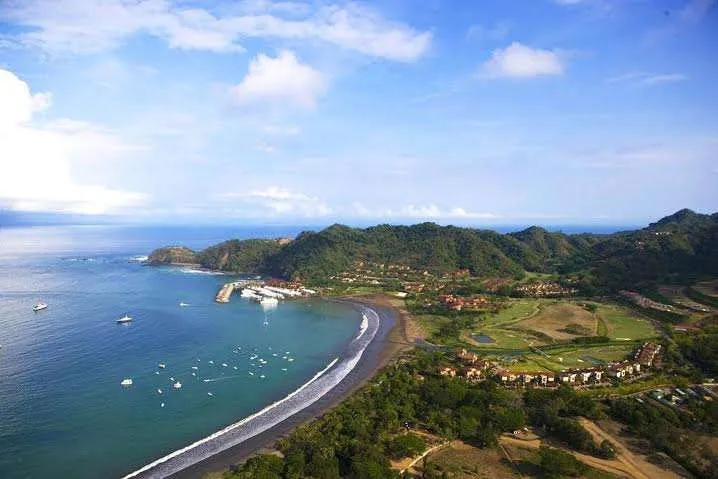
The Pacific side of Costa Rica sits beside the Cocos Ridge, a chain of underwater mountains that rise from deep water and funnel life into the upper layers of the ocean. Seamount edges, current breaks, and occasional offshore devices create predictable zones where bait stacks and billfish feed. Add a seasoned charter fleet based around Los Sueños, Jaco, and Quepos, and you get an ideal classroom for learning how these species behave and how to release them safely.
Most first-time visitors ask the same questions: What species am I looking at behind the spread, how do I tell them apart at the boat, when do they show up, and what tackle or technique fits each one best? Let’s take them one by one.
Blue Marlin (Makaira nigricans)
How to Identify
- Color is cobalt to dark blue on top, silvery below. Look for a tall, pointed first dorsal and a long, slender bill.
- Females grow significantly larger than males. Big females anchor many of Costa Rica’s most memorable encounters offshore.
- Body profile is powerful but streamlined, built for high bursts of speed and vertical movement.
Where and When in Costa Rica
Blue marlin can show up any month in Costa Rica, with many captains reporting consistent opportunities on offshore runs to the ridge and seamounts. Multi-day FAD expeditions are famous for multiple shots per day when currents, bait, and weather line up. Closer to shore during classic full-day trips, blues appear on temperature breaks, under bird life, and around schools of tuna or bonito.
Behavior Anglers Notice
- Explosive teaser crashes and aggressive switch-offs to a pitched bait are the signature blue marlin moments in Costa Rica.
- They often make deep dips after a run, then rocket back to the surface. Efficient drag settings and steady boat handling shorten the fight and improve the release condition.
Best Techniques
- Teasers and pitch baits: Keep two to four aggressive teasers working. The second you see a bill or dorsal, clear the lane and drop a pitch bait on circle hooks.
- Trolling lures: Useful when covering ground between devices or seamounts. Crews often switch to bait once a fish shows in the spread.
- Live bait: Highly effective when bait is thick around a device or on a mount.
Conservation Notes
All billfish in Costa Rica are released. Crews use circle hooks for bait, keep fish in the water for photos, and revive at the transom until the fish kicks away. Review our catch-and-release guide to understand how small adjustments make big differences in survival.
Black Marlin (Istiompax indica)
How to Identify
- Rigid pectoral fins that do not fold flat are the fastest field clue boatside.
- Heavier, more muscular body than a blue, often with a stout head and thicker bill.
- Slate to dark blue top with a paler belly. Overall appearance is blockier and built for raw power.
Where and When in Costa Rica
Black marlin are less common than blues in local reports, but appear around structure with concentrated bait. Seamount edges, reef-like rises, and current seams offer your best odds. Captains occasionally see blacks on the same long-range runs where blue marlin dominate. Treat them as a premium encounter rather than a daily expectation.
Behavior Anglers Notice
- Violent head shakes and bulldog runs test terminal gear and crew coordination.
- Some fish stay stubbornly deep. Communicate early about drag increments, boat angles, and when to pressure the fish up.
Best Techniques
- Pitch bait on circle hooks: A fast, clean presentation after a teaser strike is key.
- Large profile lures or live baits: Step up leader strength and be ready for a longer, heavier fight.
Conservation Notes
Minimize fight time with appropriately heavy tackle. Keep the fish in the water and use a controlled leader release for a strong swim-away. The same fundamentals in our release guide apply, just scaled for a heavier animal.
Striped Marlin (Kajikia audax)
How to Identify
- Vivid cobalt vertical bars along the flanks, especially bright when the fish is excited near the boat.
- Taller first dorsal relative to body depth and a slightly more slender build compared with a black.
- Color is bluish to dark above, silvery below.
Where and When in Costa Rica
Striped marlin tend to appear when cooler pulses and bait concentrations slide through the region. You are more likely to encounter them offshore on temperature edges, around rips, or where shearwaters and terns are actively pressing bait. Encounter frequency varies by year, which is why experienced captains plan flexible routes and watch real-time conditions.
Behavior Anglers Notice
- Stripes often light up at the transom, which makes in-water photos spectacular.
- Stripes can track teasers diligently. A well-timed pitch on a circle hook is often rewarded with a clean corner hook-up.
Best Techniques
- Teaser and pitch routine: Precision matters. Keep pitch rods ready, baits swimming correctly, and roles assigned before lines go out.
- Lure trolling and temperature edges: When the crew needs to cover miles, lure spreads help locate fish, then switch to bait for the bite.
Conservation Notes
Apply the same release discipline: heavy enough tackle to shorten the fight, in-water photos, quick dehooking with pliers, and a steady revival. Share the release video with your crew and friends to celebrate the conservation that keeps this fishery strong.
Where These Fish Gather: Seamounts and Offshore Structure
To understand why Costa Rica produces such consistent billfish encounters, study the region’s offshore structure. Seamounts, ridgelines, and current seams set the table. Plankton and baitfish collect on the right edges, which in turn attract predators. Multi-day trips give crews time to be on station at sunrise and sunset when bites can stack. If you are curious about oceanography, start with our overview, Seamounts of Costa Rica, and then look at how long-range planning works in FAD Fishing in Costa Rica.
Not every day requires a long run. Classic full-day offshore charters work edges, bird life, and temperature breaks within striking distance of the marinas. Your captain will adjust strategy based on sea state, bait, and client goals. The best days are often a mix of patience, pattern recognition, and quick execution when a bill shows behind the spread.
How to Fish Each Species The Right Way
Teasers and Pitch Baits
This is the signature Costa Rica program. Pull aggressive teasers without hooks to trigger a response. The second a fish appears, clear the lane and present a perfectly swimming pitch bait on a non-offset circle hook. Do not swing on the bite. Let the fish turn, come tight smoothly, and let the circle do its job. The goal is a clean corner hook-up, a confident fight, and a strong release.
Lure Trolling Between Spots
When covering miles between an FAD and a mount, crews pull a mixed spread of lures tuned for local conditions. Lures also help raise fish that are not keyed on a particular bait. If a bill shows, the crew may leave the lure in place or rip it away to convert the fish onto a pitched bait.
Live Bait Opportunities
When the bait is thick, live bait can be the most natural presentation. Again, circle hooks and smooth pressure are the rule. Keep communication crisp between the bridge and cockpit so the hook finds the corner and the fish stays healthy.
Release-First Culture
Costa Rica’s charter community takes pride in releasing billfish in the best possible condition. Crews use heavier tackle to shorten fights, wet hands and gloves to protect slime layers, and in-water photography to avoid lifting fish over the rail. They also revive fish at the transom, letting current flow over the gills until a strong kick breaks them free.
For visiting anglers, the best way to prepare is to read our catch-and-release guide before you arrive. You will understand roles in the cockpit, where dehookers and pliers should live, and how to communicate when a fish needs extra oxygen. These small details are what make Costa Rica a global example of responsible big game fishing.
When To Go
Blue marlin encounters can happen year-round, with many captains praising windows in the green season offshore. Black marlin appear less frequently and are considered a premium encounter, often near structure. Striped marlin are more variable and linked to cooler pulses and concentrated bait. Think in terms of patterns rather than guarantees, and plan flexibly. If your goal is maximum time in high-probability water for blues, consider a carefully timed multi-day FAD run. If you want a classic day that mixes pelagics and maybe a shot at a bill, lean on a full-day offshore charter.
Where To Start Your Trip
Most anglers launch from the Central Pacific. Los Sueños Fishing Charters and Jaco Fishing Charters put you close to blue water and within range of offshore runs when conditions justify it. Boats here are set up for quick teaser work, pitch bait transitions, and proper release protocols. If you are planning a mixed itinerary that includes inshore days, beaches, and family time, the Central Pacific also gives you the widest range of hotels, dining, and non-fishing activities.
Planning Tips That Protect The Resource
- Book licensed crews only. Confirm they follow circle hook standards and emphasize in-water photos and quick releases. Start here: Costa Rica Fishing Charters.
- Arrive prepared. Review our license steps and catch-and-release best practices.
- Pack for the sun and spray. Polarized glasses, breathable shirts, and camera gear ready for cockpit action help you document great releases.
- Keep goals flexible. Conditions move. Trust your captain’s plan to chase the right water and give you the best odds at a clean encounter.
- Celebrate releases. Share the in-water photos and educate others. The story you tell helps keep these fish thriving.
FAQ
How do I tell a blue marlin from a black marlin at the boat?
Check the pectoral fins. Blacks have rigid pectorals that do not fold flat. Blues fold theirs. Body shape also helps. Blacks look blockier with a heavier head and shoulders. Blues are powerful but more streamlined.
Why are striped marlin bars so visible near the transom?
As stripes approach and become excited, their vertical bars often light up. It makes identification easier and creates stunning in-water photos. Keep the fish submerged and let the crew handle the leader and dehooking for a strong release.
Do I need special gear for an FAD or seamount trip?
Your charter provides the right tackle, but you can help by packing sun protection, soft-sole shoes, a hat strap, and any seasick remedies you prefer. For multi-day runs, ask about bunks, meals, and communication so you know exactly what to expect offshore.
How long should a fight last?
Shorter fights are better for the fish. Crews use appropriately heavy tackle and coach you on pressure, angles, and boat positioning. The goal is a clean corner hook-up, strong swim-away, and a video that shows why Costa Rica is the standard for ethical big game fishing.
Where can I read more about responsible techniques and planning?
Start with our internal guides to catch-and-release, seamounts, and FAD expeditions. Then choose a captain through Costa Rica Fishing Charters who emphasizes conservation on every trip.
Plan Your Billfish Adventure
Whether you want your first blue marlin or you are chasing a grand slam, Costa Rica delivers a balanced experience that respects the fish and thrills the angler. Book a conservation-minded crew, learn the teaser and pitch dance, and practice release-first habits. The fish you let go today are the reason you can keep coming back.
Ready to plan? Explore Costa Rica Fishing Charters, compare options for Offshore Fishing, and consider a multi-day FAD trip when conditions line up.