What It’s Like Running 120 Miles Offshore – Inside a Costa Rica FAD Trip
Running 120 miles offshore is not your typical day on the water. It is a commitment, an adventure, and an experience few anglers ever forget. For those chasing marlin in Costa Rica, this long run leads to one of the most productive big game fishing zones on the planet. Deep offshore seamounts surrounded by rich currents and floating FADs attract blue marlin in numbers that many anglers previously believed impossible. These trips redefine what offshore fishing means and deliver a level of excitement unmatched anywhere in the Pacific.
This detailed guide takes you inside the full experience of a Costa Rica FAD expedition. From the moment the boat leaves the dock to the first marlin hookup hundreds of miles offshore, you will see what happens, what to expect, and why these trips have become the pinnacle of billfish adventure.
Understanding the FAD Fishery in Costa Rica
Costa Rica’s offshore waters are home to dozens of underwater seamounts that rise from thousands of feet below the surface. These volcanic mountains form natural gathering points for baitfish. Over the last decade, this zone has become one of the most talked-about marlin fisheries in the world, thanks to the consistent presence of blue marlin.
The addition of Fish Aggregating Devices positioned near the seamounts has taken the fishery to another level. These FADs help hold baitfish in place, creating a reliable food source for marlin. As a result, boats regularly see multiple marlin a day, with some trips producing double-digit releases. FAD expeditions have become the ultimate test for serious billfish anglers.
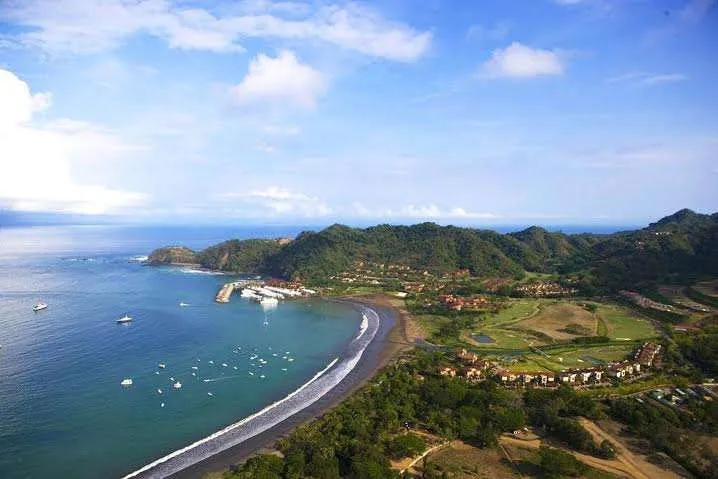
For anglers ready to experience this adventure, the journey begins at marinas like Los Sueños and Quepos. From these central Pacific hubs, boats can reach offshore FAD zones located 80 to 150 miles into the Pacific.
The Night Before Departure
Most offshore FAD trips begin in the afternoon or early evening. Captains and crews spend the day preparing the boat. Marlin rods are re-spooled. Circle hooks are sharpened and inspected. Ballyhoo, squid, and artificial teasers are loaded. Meals are prepared for the crew and anglers. Fuel tanks are filled to the top because the run can easily exceed 250 to 300 miles round-trip.
The atmosphere at the marina is electric. Anglers know they are leaving the coastline behind and heading into true offshore wilderness. Many have dreamed of this moment for years. Photos are taken. Gear is loaded. And then, as the sun begins to drop toward the horizon, lines are cast off and the boat begins the long run into the deep Pacific.
Leaving the Coast Behind
The first hour of the run is always surreal. The boat passes the last points of land, the final cell signal flickers out, and the horizon becomes a flat line. Many anglers sit back on the mezzanine, watching the shoreline fade into the dusk light. Soon, the lights of Los Sueños, Jaco, or Quepos disappear. Ahead lies open ocean in every direction.
Most boats run at night to reach the FADs by sunrise, maximizing daylight fishing time. Running at night is an experience that feels almost otherworldly. With no city glow and no other boats around, the stars appear brighter than most people have ever seen. The boat hums along steadily. Flying fish scatter from the bow lights. Dolphins sometimes join the run, racing through the bioluminescence at incredible speeds.
Life on the Run Offshore
Depending on distance, the overnight run to the FADs can take anywhere from eight to fourteen hours. Boats typically maintain speeds between 18 and 24 knots, depending on the seas. Some boats have air-conditioned salons with bunks, allowing anglers to sleep. Others offer outdoor mezzanine seating where anglers relax, talk, and soak in the offshore atmosphere.
Inside the salon, the crew prepares gear. Lures are rigged. Pitch baits are inspected. Leaders are neatly coiled and placed within reach for fast action in the morning. The hum of engines creates a steady rhythm, almost hypnotic. Most anglers get a few hours of sleep before reaching the offshore grounds at dawn.
The First Light of Morning
There are few moments more exciting in offshore fishing than the first sunrise 100 miles from land. The sky slowly changes color. The deep Pacific glows orange. The ocean is flat and glassy, broken only by the wake of the boat. As the sun rises, the captain slows the engines. The crew begins deploying teasers, dredges, and baits.
This is the moment everyone has been waiting for. You are now far beyond the continental shelf, deep in marlin territory. You are in some of the most productive blue marlin waters in the world.
Finding the FAD
FADs are marked by GPS coordinates and often slow the boat to trolling speed. The structure itself sits far below the surface, held by cables and buoys that keep it suspended. The baitfish gather around the structure, creating a natural food chain that attracts predators.
Crew members watch the sonar carefully for bait balls. They scan for frigate birds diving or hovering. They watch for signs of life on the surface. When all the pieces come together, the marlin appear.
The First Marlin
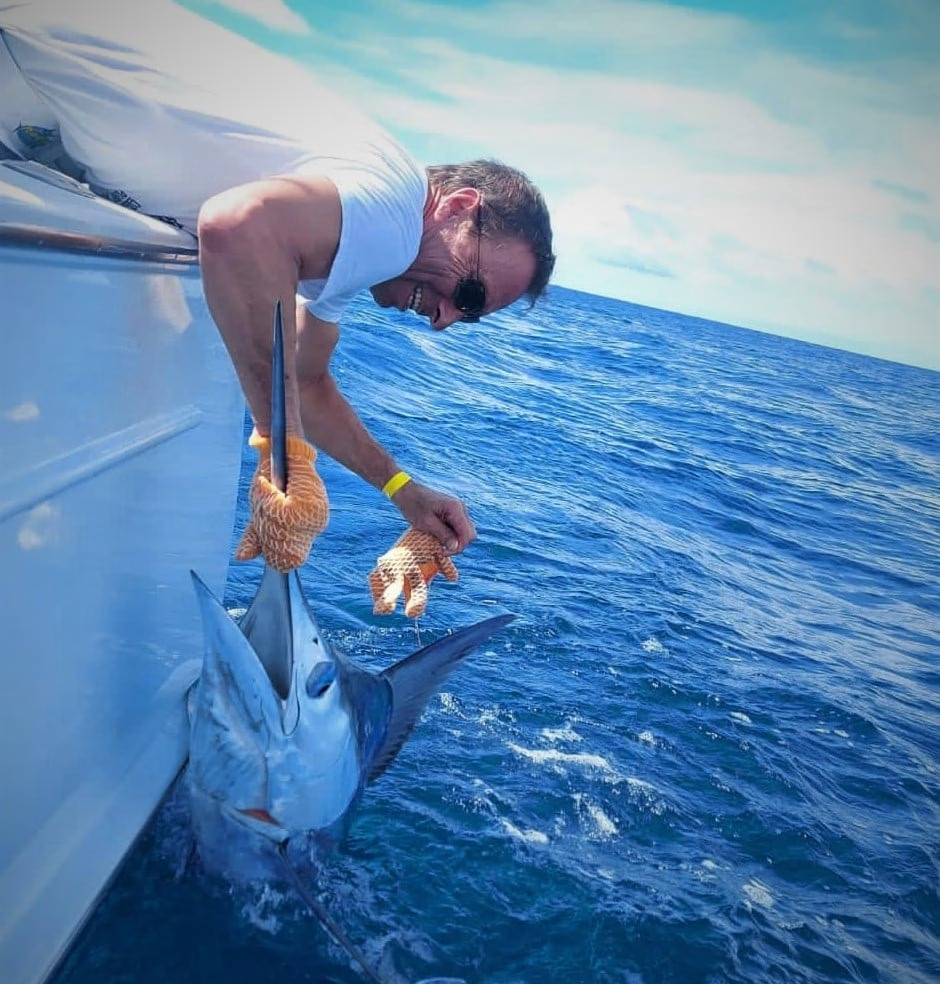
It usually does not take long. The teasers pop on the surface. The mates scan behind the spread. Then it happens. A blue marlin lights up behind the right teaser. Electric blue stripes appear. The fish explodes on the teaser. The mate grabs the teaser line and rips it from the water. The captain shifts the boat slightly. Another mate pitches a bait. The marlin charges. The line comes tight. Anglers hear the drag scream as the fish tail walks across the ocean.
This is why anglers travel halfway around the world for FAD trips. The power of the first marlin of the day cannot be described. It must be experienced.
Double and Triple Headers
One of the unique features of FAD fishing is the possibility of multiple marlin hookups. Because so many fish gather in the same zone, it is common for boats to have two or even three marlin to eat at once. When this happens, the cockpit becomes organized chaos.
- Lines cross.
- Angles shift.
- Drag screams.
- Mates run from corner to corner.
- The captain moves the boat to keep the lines tight.
For experienced anglers, this is the ultimate thrill. For first-time anglers, it is a heart-pounding moment they will never forget.
The Midday Bite
As the sun rises higher, the heat increases, but so does the marlin action. Blue marlin often feed aggressively during the middle of the day around the FADs. Crews switch techniques, adjusting presentation based on current, wind, and the movement of bait.
Teasers run continuously. Pitch baits sit ready in the tubes. Anglers hydrate and get ready for the next bite. Many FAD trips produce strikes every hour. On exceptional days, strikes come every fifteen to twenty minutes.
Resting Between Hookups
There is nothing quite like the quiet moment after releasing a marlin when the ocean suddenly becomes calm again. Anglers sit on the mezzanine catching their breath. Crew members reset the spread. The captain circles the FAD, watching the sonar for the next sign of bait. Pelagic birds glide above the water. Flying fish skip across the surface.
These moments of calm help prepare anglers for the next explosive bite.
Fishing Into the Afternoon
The afternoon bite is often as strong as the morning bite. Blue marlin feed throughout the day, and when the bait is heavy around the seamounts, the action can continue nonstop. Boats that stay on the FADs for two or three nights often experience dozens of marlin over the course of the trip.
Anchoring or Drifting Overnight
At sunset, the boat’s strategy changes. Some boats drift slowly near the FAD. Others reposition and prepare for another day. Anglers eat dinner, share stories, and relax after one of the most intense fishing days of their lives.
Fishing does not stop completely. Some boats set up chunk lines or jigging rigs for tuna, dorado, or other predators. The night sky offshore is stunning. With no light pollution, the stars feel close enough to touch. Many anglers stay awake for hours staring at the horizon, watching the boat sway gently between the swells.
Sleeping 120 Miles Offshore
Sleeping offshore is a unique experience. The boat moves gently, rocking side to side. The cabin hums with soft engine noise or generator sound. Some anglers fall asleep quickly. Others stay awake thinking about the next day and the fish that got away.
Morning comes quickly. Just before sunrise, the crew prepares the spread again. Coffee brews. Gear is checked. And as the first light appears, anglers get ready for another day of marlin action.
The Second Day: Even More Intense
The second day of a FAD trip often produces even better action. Crews have dialed in the bait, the current direction, and the best zones around the FAD. Anglers are more confident with pitch bait timing and drag adjustments. With more time on the seamounts, the fish count climbs.
Releasing Dozens of Marlin
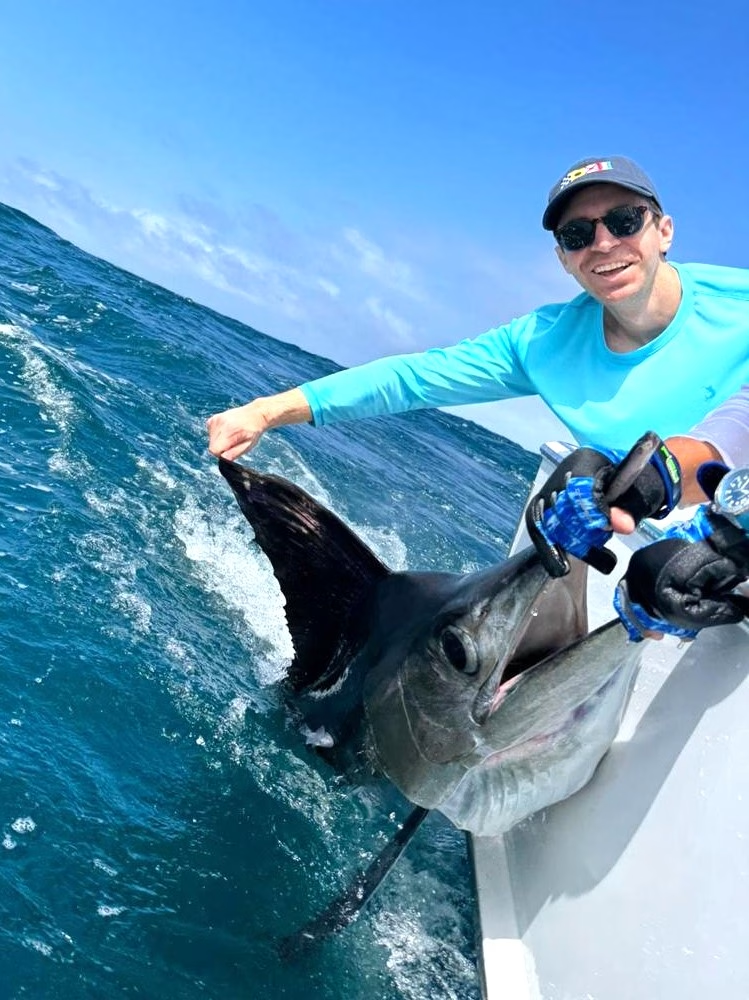
Many two or three-day FAD expeditions result in ten, twenty, or even thirty marlin released. Some of the most productive trips in Costa Rica have exceeded fifty releases among a professional crew. These are not exaggerated numbers. They happen regularly in the right season.
This is why so many anglers call FAD fishing a once-in-a-lifetime adventure. The consistency of the marlin bite is unmatched anywhere else in the world.
Preparing for the Long Run Home
After one or more days offshore, the captain makes the call to head back toward the coast. The run home is long, but anglers often feel a sense of satisfaction and exhaustion. Many relax inside the salon watching footage of the trip. Others sleep in the bunks or seats. The adrenaline settles, replaced by the steady hum of the engines.
Hours later, the coastline of Costa Rica slowly reappears. Hills, beaches, and towns come into view. Cell phones reconnect. Photos are shared. Messages are sent. Anglers begin to comprehend just how incredible the trip was.
Why FAD Trips Are Considered the Ultimate Costa Rica Fishing Experience
There are many reasons why anglers consider FAD fishing the crown jewel of Costa Rica’s sportfishing.
- It offers unmatched marlin numbers.
- It takes anglers into true offshore wilderness.
- It delivers nonstop action.
- It provides the ultimate test of endurance and skill.
- It creates memories that last a lifetime.
- It shows the full beauty of the Pacific at sunrise and sunset.
- It offers the chance for double and triple marlin hookups.
- It allows anglers to fish seamount zones that few people ever see.
Combined with Costa Rica’s world-class marinas, luxury boats, and experienced captains, FAD fishing represents the peak of big game adventure.
Who Should Consider a FAD Trip
FAD trips are not for beginners, but they are perfect for anglers who:
- Want to target Marlin exclusively.
- Have already fished offshore day trips and want more.
- Are physically prepared for a multi-day offshore adventure.
- Enjoy overnight expeditions.
- Want to fish the most productive marlin waters in Costa Rica.
- Prefer action-packed big game fishing over underwater scenery or relaxation.
Many experienced anglers book FAD trips after fishing offshore in Los Sueños, Quepos, or Flamingo. They see the offshore potential and want to experience the next level of marlin fishing.
The Best Time to Book a FAD Trip
FAD fishing is productive almost year-round, but the most consistent months for blue marlin extend from May through October. These months offer stable ocean conditions offshore with high concentrations of bait. During these periods, marlin feed heavily on bait around the seamounts. Boats that stay out for multiple days often experience exceptional numbers of fish.
That said, marlin are present every month offshore. Even during the peak sailfish season, many boats continue running FAD trips for anglers seeking blue marlin exclusively.
Booking the Right Coast and Charter
Most FAD trips depart from the Los Sueños Marina or Quepos. These marinas provide direct access to the Pacific seamount chain, which lies far offshore along the edge of deep oceanic currents.
Anglers booking from Flamingo or Tamarindo may also target offshore FADs, depending on captain availability and distance.
For anglers wanting entry-level FAD fishing, some boats also offer shorter overnight trips to closer seamounts with reduced run times.
Serious anglers seeking ultimate numbers often choose two or three night packages.
Why These Trips Have Changed Modern Sportfishing
The rise of FAD fishing has transformed Costa Rica into the epicenter of blue marlin action. These trips have attracted anglers from all over the world, including those who previously traveled only to Australia, Panama, or Hawaii.
Costa Rica now sees:
- Record-breaking marlin release numbers.
- Professional tournament crews visiting from around the globe.
- Charter captains specializing in multi-day offshore expeditions.
- Anglers are booking years in advance.
- High-quality boats are expanding their operations to include more FAD trips.
In many ways, FAD fishing represents the future of elite big game angling.
Final Thoughts: The Call of the Deep Pacific
Running 120 miles offshore to fish the Costa Rica FADs is not just a fishing trip. It is an immersive offshore experience that combines adventure, endurance, teamwork, and adrenaline. The run is long, the conditions are raw, and the fish are powerful. But the reward is unmatched marlin action in one of the most productive billfish zones anywhere in the world.
For anglers looking for the ultimate big game challenge, nothing compares to a Costa Rica FAD expedition. It is the top level of Pacific sportfishing, and once you experience your first FAD trip, the deep offshore waters never feel the same again.
Learn more about planning your offshore marlin adventure at fishcostarica.com/.