Every FAD expedition begins with one simple decision: when to go.
Costa Rica’s Pacific never really stops producing fish, but some months shine brighter than others. If your goal is to raise double-digit Blue Marlin or experience calm seas and clear skies, timing makes all the difference.
This guide explains Costa Rica’s offshore seasons month-by-month, what you can expect at the seamounts and Fish Aggregating Devices, and how to choose the right window for your dream trip.
Understanding Costa Rica’s Ocean Seasons
Costa Rica has only two real seasons along its Pacific coast:
- Dry Season (December – April): Calm seas, sunny skies, lighter currents. Best for Sailfish and Dorado closer to shore.
- Green Season (May – November): Afternoon showers, richer nutrients, stronger currents. The peak window for Blue Marlin offshore at the FADs.
Even during the rainy months, mornings are typically calm, and long-range captains time departures to avoid afternoon squalls.
Peak Season for Blue Marlin (May – October)
The heart of FAD fishing beats during Costa Rica’s green season. From late May through October, warm equatorial currents stabilize, plankton blooms explode, and schools of bait gather around the seamounts.
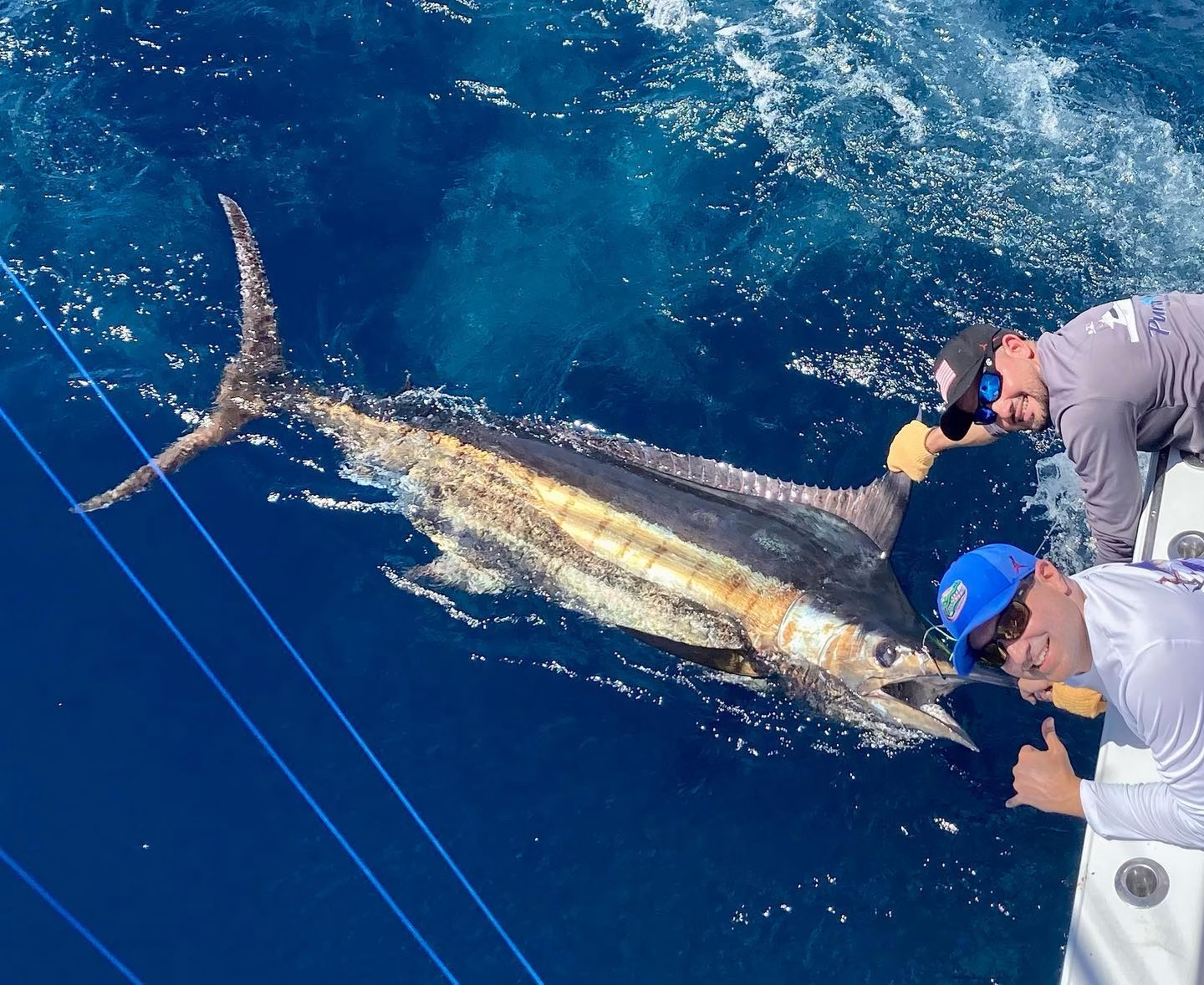
When that happens, the FAD zones erupt with life. Crews regularly record 10 to 20 Marlin raises per day, an astonishing ratio even by global standards.
June – August: The Sweet Spot
These three months deliver ideal conditions: calm seas, steady currents, and perfect water temperatures (82 – 84 °F). Blue Marlin numbers peak, with Sailfish, Dorado, and Tuna mixed in.
May & September:
Transitional but excellent. May brings the first push of bait after the dry season, and September often holds some of the largest individual Marlin of the year.
October:
Still strong, though the seas become more variable as the season shifts. Many captains wrap up their long-range schedule at the end of this month before maintenance.
Dry Season Highlights (December – April)
While the focus moves closer to shore, the offshore bite remains consistent.
During these months, the weather is spectacular, flat seas and endless blue skies. Sailfish dominate the action, especially around Los Sueños and Quepos, with daily double-digit releases common in January through March.
For anglers wanting both comfort and consistent hookups, dry-season day trips deliver excellent value. Dorado and Yellowfin Tuna round out the catch list, and every now and then, a Blue Marlin surprises the spread even within 30 miles of the coast.
Monthly Breakdown
| Month | Offshore Conditions | Top Targets | Notes |
|---|---|---|---|
| January – March | Calm seas, sunny | Sailfish, Dorado, Tuna | Peak dry-season bite; perfect for day charters |
| April | Transitional currents | Sailfish, early Marlin | Ideal for combo trips |
| May | Start of green season | Blue Marlin | First big FAD runs begin |
| June – August | Stable weather, rich bait | Blue Marlin, Sailfish, Tuna | Prime FAD window |
| September – October | Warm currents, heavier showers | Large Marlin, Dorado | Epic numbers before season shift |
| November | Transition to dry season | Tuna, mixed billfish | Good month for flexible schedules |
Lunar Cycles and Tides
Marlin feeds in rhythm with the moon. Around the new and first-quarter phases, stronger currents push bait to the surface, increasing strikes. Many top Costa Rican captains plan multi-day FAD runs around these windows.
Quick Tip
If your dates are flexible, aim to fish 2–3 days after the new moon when tidal movement and current speed create perfect feeding conditions.
Sea Temperature and Water Color
Blue Marlin prefer water between 80 and 85 °F. During the peak months, satellite imagery often shows warm blue bands hugging the Pacific seamounts west of Los Sueños and Quepos.
If those currents shift slightly north or south, captains adapt quickly, often relocating 10–20 miles to stay with the temperature break. That adaptability is why Costa Rica remains consistent even when other destinations slow down.
Regional Variations
Los Sueños & Herradura Bay
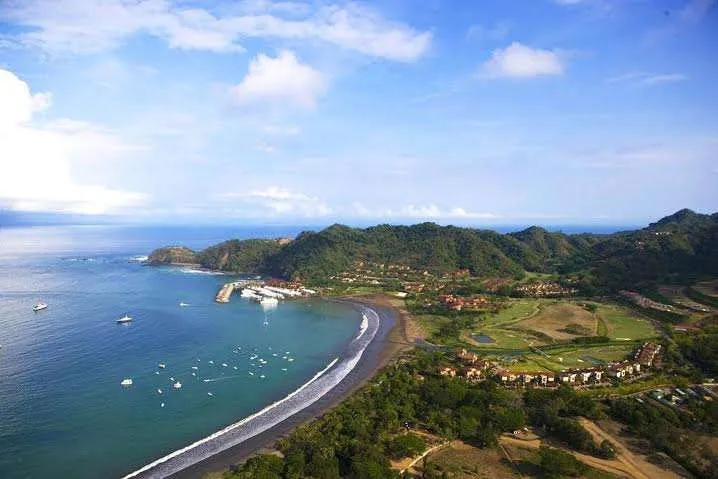
The gateway to the main FAD chain. Boats here enjoy quick access to seamounts 100 miles offshore. May through October = prime marlin season; December through April = Sailfish bonanza.
Quepos & Marina Pez Vela
Excellent access to Furuno Bank and southern FADs. The bite mirrors Los Sueños but often starts earlier (April) and holds later (November).
Golfito & Puerto Jiménez
Home to veterans like Capt. Bobby McGuinness. Longer runs south toward the Dome yield monster Tuna and occasional record Marlin from May to September.
Flamingo & Papagayo (North Pacific)
Slightly different current system; May–July brings Tuna and Dorado peaks, while August and September offer solid Marlin action offshore.
Weather and Sea State
Even in the rainy months, mornings offshore are typically calm. Squalls build inland during late afternoon and rarely affect long-range FAD boats that remain well out to sea.
Captains monitor satellite radar and barometric pressure daily. Safety and comfort always come first—if a window looks unstable, trips are adjusted rather than canceled outright.
Planning Your Trip
When booking, think in terms of goals, not just months.
| Goal | Best Months | Ideal Trip Type |
|---|---|---|
| Blue Marlin Frenzy | June – August | 3–4 Day FAD Expedition |
| Calm Weather & Sailfish | Jan – Mar | Day Offshore Charter |
| Big Variety (Tuna, Dorado, Marlin) | May – Sept | Overnight Offshore |
| Budget Flexibility & Less Crowd | Apr or Nov | Hybrid Trip |
Booking early, especially for June to August, secures the top captains and long-range boats before tournament season fills the calendar.
Conservation Through Timing
Because Costa Rica prioritizes sustainable fishing, the timing of your trip also supports the ecosystem. FAD seasons are scheduled to minimize overlap with billfish spawning periods. Responsible operators use circle hooks, follow catch-and-release, and avoid commercial overlap zones.
Fishing with reputable fleets like Fish Costa Rica ensures your adventure contributes to long-term conservation success.
Pro Tips for Choosing Dates
- Check the Moon Phase: New moon = better tides = more bait.
- Avoid Full Moon Weeks: Light and slack tides can reduce surface activity.
- Plan 2–3 Consecutive Fishing Days: The ocean changes quickly; consistency pays off.
- Book During Mid-Week: Less marina congestion, more flexible captain schedules.
- Ask About Sea Conditions: Experienced captains can read long-range weather patterns months in advance.
Why Costa Rica Never Really Slows Down
Unlike other destinations limited to one short season, Costa Rica’s equatorial position keeps ocean temperatures stable all year. There’s always something biting, whether it’s Marlin offshore, Roosterfish inshore, or Tarpon on the Caribbean side.
That consistency makes it easy to plan a trip around your schedule rather than a narrow seasonal window.
Combine Your Fishing Trip
For many anglers, timing a FAD run with other Costa Rican experiences adds even more value.
- May–July: Perfect for combining fishing with green-season rainforest tours.
- December–April: Ideal for beach stays, surfing, or in-home massages in Jacó.
- Anytime: Add a private chef or luxury villa to create a complete vacation package.
Plan Your FAD Season Trip with Fish Costa Rica
No matter when you travel, our team tracks ocean reports, moon phases, and marlin movement in real time. We match you with the right boat, captain, and schedule to hit the bite at its peak.
Whether it’s a June Blue Marlin expedition, a January Sailfish showcase, or a September multi-species adventure, we’ll make it seamless, from airport transfer to last photo at release.
Contact us today to plan your Costa Rica FAD fishing season trip and experience why our waters produce world-record bites year after year.