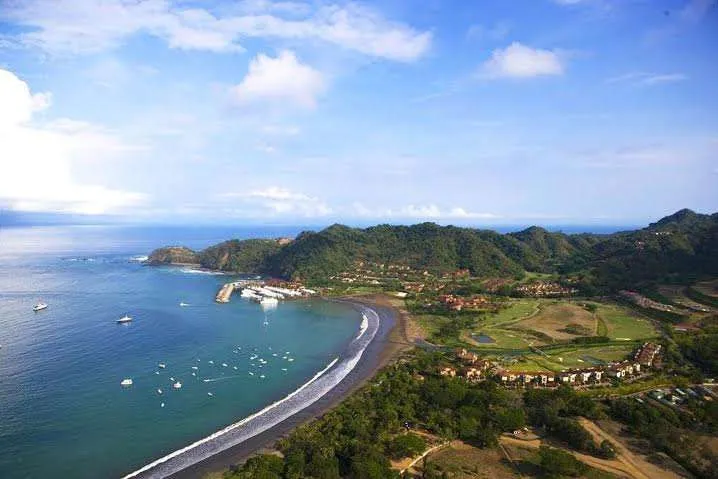
Few offshore experiences in the world can match yellowfin tuna fishing in Costa Rica. Powerful, fast, and always ready to fight, yellowfin tuna (Ahi) provide non-stop excitement for anglers of all ages. Whether you’re fishing near spinner dolphins off Los Sueños or heading deep offshore from Quepos and Golfito, tuna are one of Costa Rica’s most dependable and rewarding gamefish year-round.
This complete guide covers where to find them, when they bite best, and how professional Costa Rican captains target these powerful fish with precision and care.
Why Costa Rica Is a World-Class Tuna Destination
Costa Rica’s Pacific waters hold yellowfin tuna twelve months a year. Deepwater drop-offs, rich currents, and massive schools of bait make it one of the most consistent tuna fisheries anywhere on Earth. What makes it even better? Many tuna schools feed just 10–25 miles from shore, meaning shorter runs, calmer seas, and more time fishing.
Yellowfin tuna are found from Flamingo in the north to the Osa Peninsula in the south. They often travel in massive schools alongside pods of spinner dolphins, feeding on sardines, mackerel, and squid. Spot the dolphins, and you’ll almost always find tuna nearby.
Meet the Yellowfin Tuna
Known locally as atún aleta amarilla, yellowfin are streamlined torpedoes built for speed and endurance. They can grow over 300 pounds, though most fish caught in Costa Rica range from 40 to 150 pounds. Still, even a 60-pounder delivers a fight that will test your gear and your stamina.
Recognizable by their metallic blue back, golden sides, and long, sickle-shaped, yellow fins, yellowfin tuna are prized not only for their fight but also for their incredible table quality. Fresh tuna steaks, sashimi, and poke are common rewards after a successful day offshore.
Where to Catch Yellowfin Tuna in Costa Rica
While tuna roam all along the Pacific coast, a few areas stand out for consistent action, accessibility, and professional charters.
Los Sueños & Herradura Bay
Los Sueños Marina is one of Costa Rica’s top bases for tuna fishing. Boats can reach active schools in as little as 45 minutes, and the calm conditions make it ideal for full- and half-day trips. Tuna often feed under spinner dolphins here, providing thrilling surface action for anglers of all skill levels.
Quepos & Marina Pez Vela
Quepos offers world-class offshore opportunities. Tuna here are often found mixed with mahi-mahi and marlin around bait schools. The combination of deep water and short runs makes Quepos an all-season tuna hotspot, especially from May through November.
Flamingo & Papagayo
In the north, Flamingo and Papagayo produce excellent tuna fishing during the green season. Calm mornings and short distances to the drop-offs make it perfect for families and anglers looking for a smooth offshore experience.
Golfito & The Southern Zone
For trophy-sized yellowfin, the Southern Zone is unbeatable. Offshore from Golfito and Matapalo, tuna reach 150 pounds and beyond, often caught on overnight charters or multi-day FAD trips. The deep, nutrient-rich currents here attract massive bait schools, and with them, giant predators.
When Is the Best Time to Catch Tuna?
The short answer: year-round. But if you’re looking for peak yellowfin action, plan your trip between May and November, Costa Rica’s “green season.” During these months, rain on the coast drives nutrients offshore, sparking plankton blooms that feed baitfish, dolphins, and ultimately, tuna.
| Region | Best Months for Tuna | Average Size |
|---|---|---|
| Los Sueños / Herradura | May – November | 40–120 lb |
| Quepos / Pez Vela | May – November | 60–150 lb |
| Flamingo / Papagayo | June – October | 40–80 lb |
| Golfito / Osa Peninsula | Year-Round (peak May – September) | 80–200+ lb |
Still, even during the dry season (December – April), tuna are available offshore, especially on FAD expeditions where bluewater remains stable and rich with life.
How Pros Find Tuna Offshore
Locating tuna is a science and an art. Experienced captains rely on more than luck; they read the ocean. Birds circling the surface signal feeding activity, spinner dolphins mark traveling schools, and water color changes often indicate temperature shifts that attract bait.
Spinner Dolphins and Tuna
The strongest clue offshore is the presence of spinner dolphins. Tuna and dolphins hunt cooperatively, feeding together on the same schools of baitfish. When you see dolphins jumping and spinning, there’s a good chance a tuna school is below them. Boats approach quietly, trolling small feathers, cedar plugs, or pitching live bait into the feeding zone.
To learn more, see our full guide: Finding Tuna Under Spinner Dolphins.
Proven Tuna Fishing Techniques
Costa Rican crews use a range of techniques depending on sea conditions and fish behavior:
- Trolling: Small jet heads, feathers, or cedar plugs pulled at 6–8 knots attract feeding tuna. This is the most common technique for first-time anglers.
- Live Bait: Tossing a live sardine or mackerel near feeding dolphins often results in an instant strike.
- Popping: Using large surface poppers to entice aggressive tuna, ideal for advanced anglers who want a visual, high-energy fight.
- Chunking: Anchoring near deep current lines and chumming with cut bait. a favorite for multi-day trips.
Every technique offers a different thrill. On calm mornings, sight-casting poppers into boiling tuna schools is one of the most exciting fishing experiences anywhere in Costa Rica.
Gear for Yellowfin Tuna
Most boats use 30–50 lb-class rods with high-speed reels like Shimano Tiagra or Penn International spooled with 60–80 lb monofilament. Fluorocarbon leaders between 80–100 lb help prevent breakoffs during long runs. For popping, anglers often use heavy spinning tackle and large stickbaits designed to handle sudden hits from powerful tuna.
Learn how captains rig their setups in our Tuna Gear Guide.
Handling and Conservation
Yellowfin tuna are both a prized catch and a vital part of Costa Rica’s marine ecosystem. Responsible handling ensures this incredible fishery continues to thrive. Many charters encourage guests to keep one or two fish for eating and release the rest. Proper bleeding and icing preserve meat quality and minimize waste.
For full information on licensing and sustainable practices, see Get a Costa Rican Fishing License.
Pairing Tuna with Other Species
One reason tuna trips are so popular is the diversity of what you can catch on the same day. While targeting tuna, boats frequently encounter mahi-mahi, wahoo, and even marlin near offshore temperature lines. It’s common to return with multiple species after a single charter.
What a Typical Tuna Charter Looks Like
Most charters depart around 7:00 a.m. Crews scan for bird activity and dolphins as they head offshore. Once a school is located, the spread goes out, small lures and feathers skipping just below the surface. When the first reel screams, chaos follows. Doubles, triples, and even quadruple hookups are common when tuna schools are feeding actively.
After the bite slows, captains often switch to light tackle or casting setups for fun near the surface. By early afternoon, the cooler is full, and the boat heads home with smiles all around.
Overnight and FAD Tuna Trips
For serious anglers, nothing compares to a multi-day tuna expedition. Overnight charters to offshore FAD zones offer access to giant yellowfin far beyond the day fleet. Here, it’s common to raise 100–200 lb fish alongside blue marlin. Professional crews provide comfortable cabins, full meals, and all gear for extended offshore stays.
Cooking and Enjoying Your Catch
After landing your tuna, many anglers enjoy fresh fillets grilled right at their villa or prepared by a local private chef. Sashimi, seared steaks, and poke bowls are favorites. For larger groups, combining your fishing trip with a chef experience is a great way to end the day.
Plan Your Tuna Fishing Trip
At Fish Costa Rica, we arrange everything from single-day offshore charters to multi-day tuna expeditions. Our team partners with top-rated captains across Los Sueños, Quepos, Flamingo, and Golfito to deliver unforgettable experiences with professional crews and modern equipment.
Contact us today at 1-800-986-6980 or WhatsApp +506 8888 4723 for personalized recommendations and charter availability.
Continue exploring: