Fish Costa Rica • Trusted Sportfishing Experts Since 1990
Target hard-fighting Yellowfin Tuna along Costa Rica’s Pacific coast, from football-size fish to trophy tuna exceeding 100 pounds. We’ll help match your dates and destination with the right offshore boat.
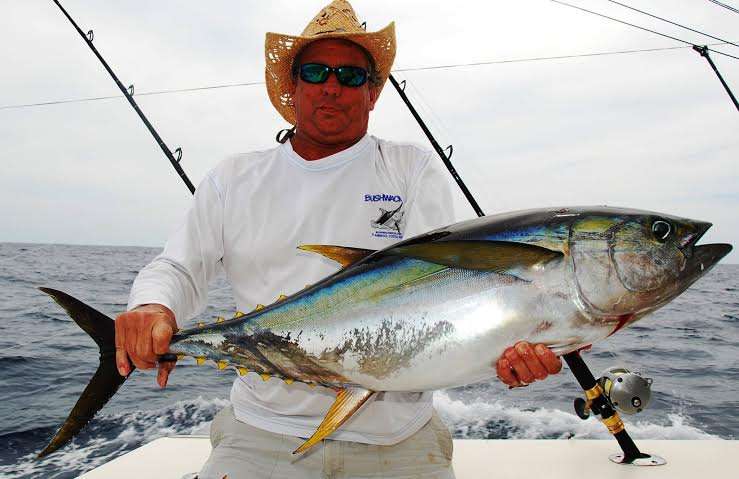
Yellowfin Tuna are among the strongest offshore fish regularly encountered along Costa Rica’s Pacific coast.
They can show up while crews are looking for sailfish and marlin, but when tuna are the priority, captains pay close attention to birds, dolphins, bait schools and offshore current conditions.
Smaller tuna provide fast action, while large Yellowfin are powerful fish capable of long runs and deep, stubborn fights.
Yellowfin are built to swim continuously through open ocean, which helps explain why hooked fish can be such demanding opponents.
Once hooked, larger tuna often sound deep beneath the boat. The final stages of the fight can become a slow, physical battle as the angler works the fish upward.
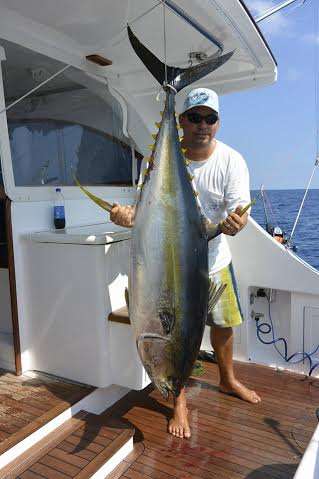
Yellowfin can be encountered along the Pacific coast, but fish size, offshore conditions and seasonal concentrations can vary by region.
One of the easiest areas for combining tuna with sailfish, marlin and mahi-mahi on a full-day offshore charter.
Explore Jacó Fishing →Remote South Pacific waters can produce excellent tuna fishing, including periods when very large Yellowfin move through the region.
Explore Golfito Fishing →Tuna are also available in Guanacaste, where seasonal offshore conditions can bring quality Yellowfin within reach of North Pacific charters.
Explore Papagayo Fishing →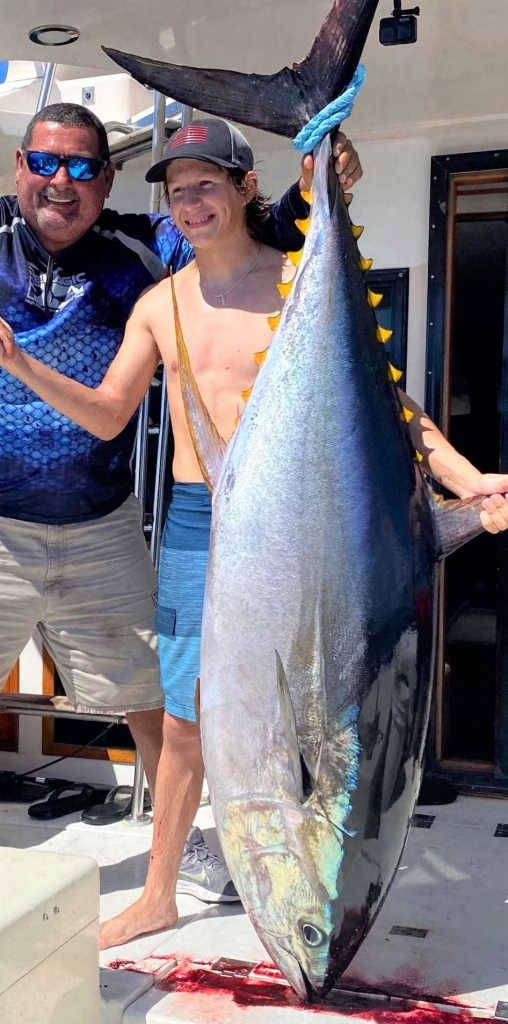
Yellowfin can be caught throughout the year, but anglers specifically chasing trophy fish should pay attention to regional timing.
The older Fish Costa Rica records on this page describe large 100–200 pound tuna in the South Pacific during late spring and early summer, strong Central Pacific opportunities through summer into early fall, and North Pacific big-fish periods tending to arrive somewhat later.
Tuna fishing is often as much about reading the ocean as simply trolling a set route.
Captains search for organized bird activity, feeding dolphins, bait schools and surface disturbance that may indicate Yellowfin feeding below.
Spinner dolphins are particularly important clues in Costa Rica because tuna can travel and feed beneath dolphin schools.
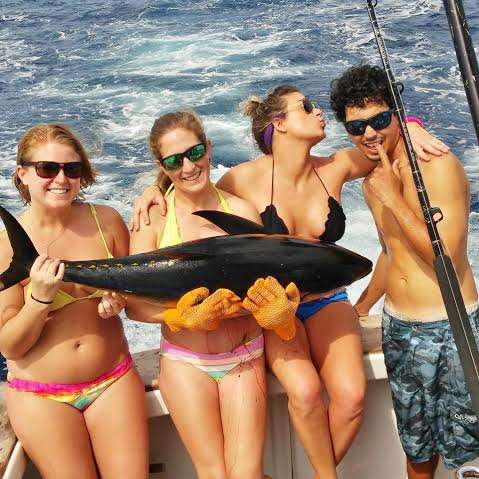
The best technique depends on fish size, bait availability and what the crew sees on the water.
Bright offshore lures and jet heads can be worked while searching for active tuna.
Tuna may strike the same offshore trolling presentations used for sailfish and marlin.
A classic tuna presentation that can be especially useful when fish are feeding around dolphins.
Sardines, skipjack or other live baits can be especially effective for larger tuna.
These catches show the range of Yellowfin that Costa Rica anglers may encounter, from multiple-fish action to individual trophy tuna.
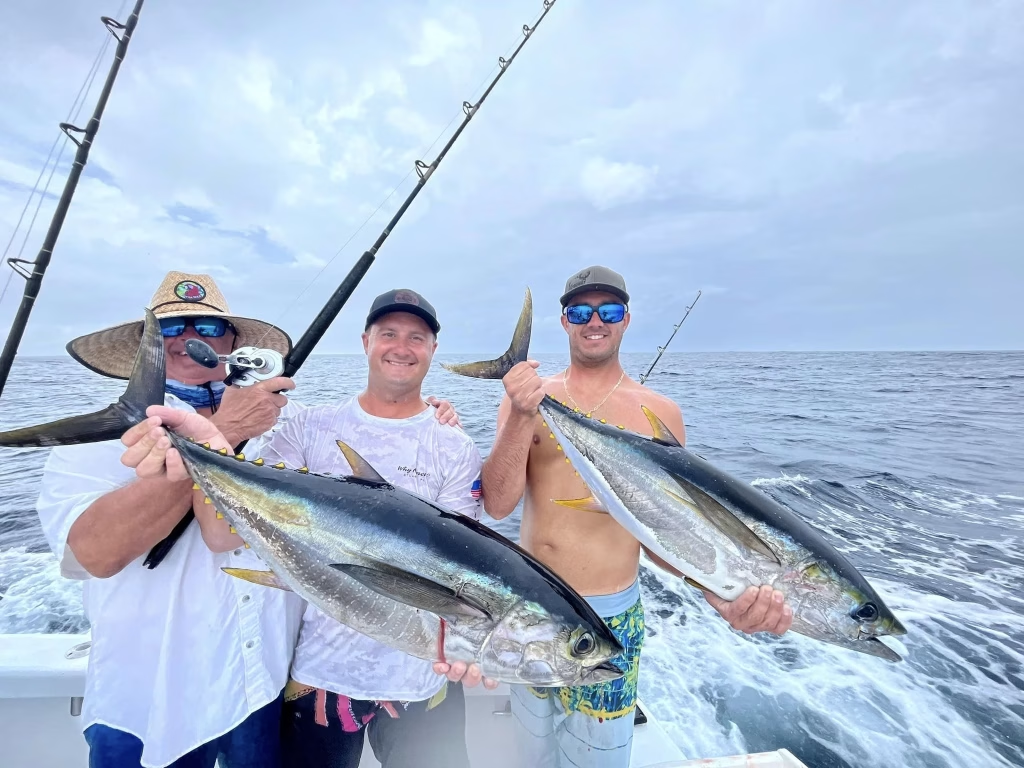
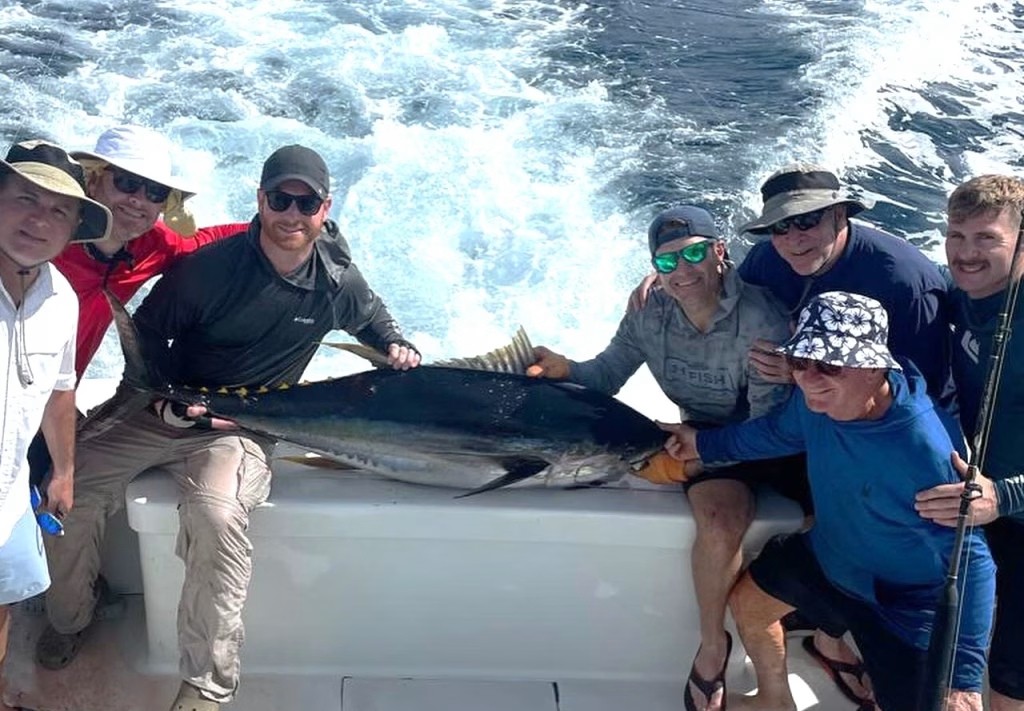
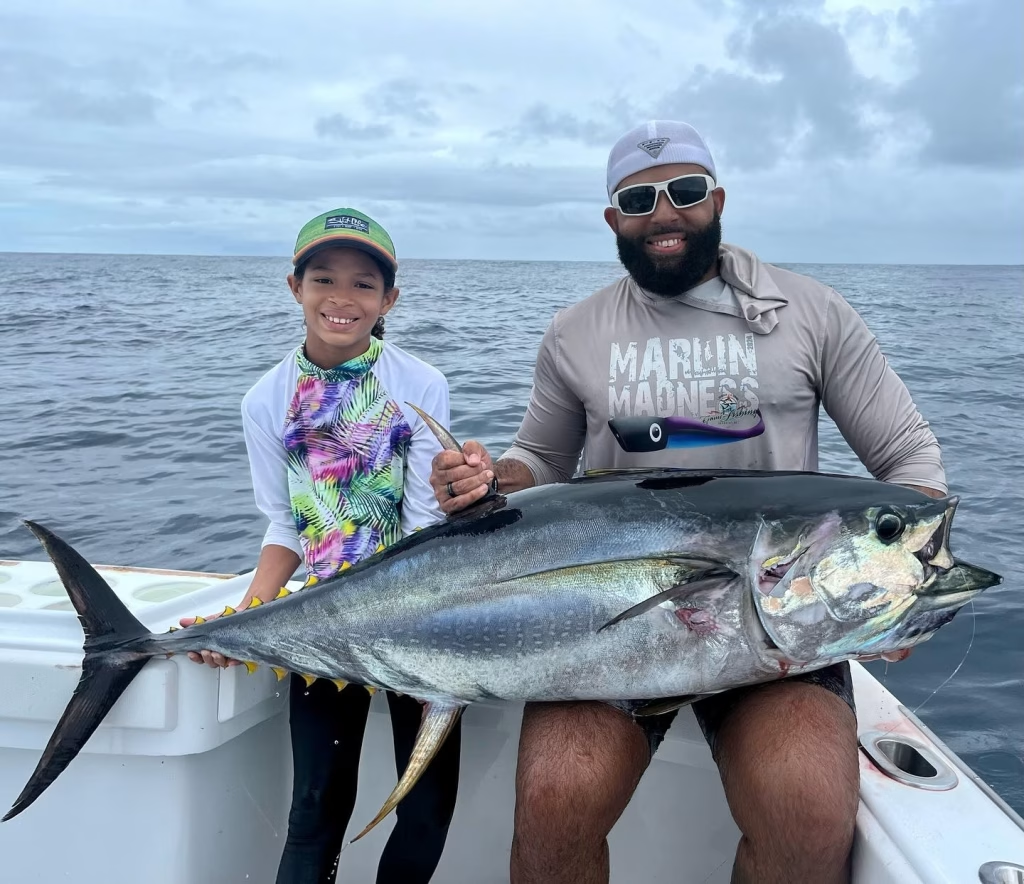
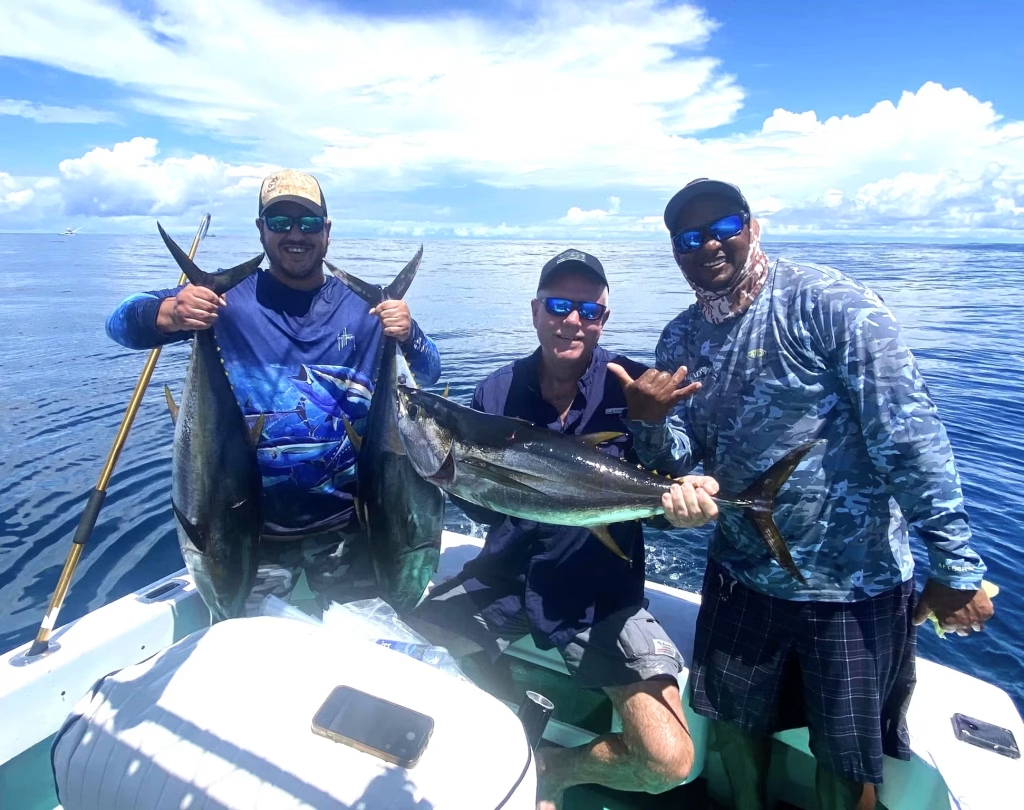

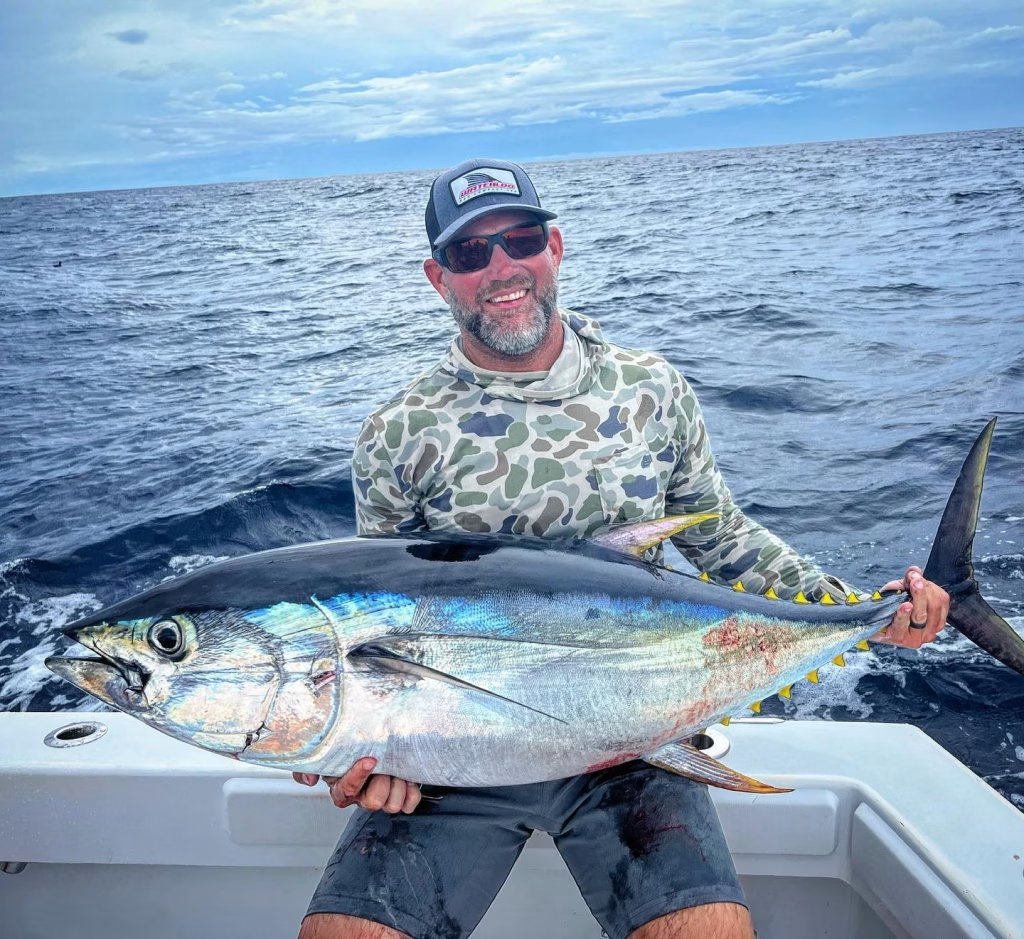
A tuna-focused trip is not simply about picking the biggest boat. Your dates, hotel location, group size and target fish should all influence the charter.
If Yellowfin are your priority, a boat with good offshore range and enough time to search for birds, dolphins and productive water is often more important than luxury features.
If Yellowfin are a primary target, more time usually gives the captain more flexibility to locate active fish.
Can work when tuna are already close to shore or when your group wants a shorter fishing experience, but the captain has less time to search.
Ask About Shorter TripsOur preferred option when Yellowfin are important. A full day gives the crew more time to locate dolphins, birds, bait and productive offshore water.
Check Full-Day Options
The crew may begin by heading toward recent tuna activity, current edges or areas where dolphins and bait have been reported.
Rather than blindly trolling all day, good tuna fishing often involves searching actively, watching the horizon and changing techniques when feeding activity is found.
We’ll use your travel dates, location and group size to help narrow down the best Yellowfin Tuna charter options.
If large tuna are especially important, mention that in the comments so we can consider the region, season and boat accordingly.
Yes. Yellowfin Tuna can be encountered throughout the year along Costa Rica’s Pacific coast, although fish size and concentrations vary with region and season.
Anglers may encounter everything from small school-size fish to tuna exceeding 100 pounds. Costa Rica has also produced fish around the 200-pound class and larger.
The Central, South and North Pacific can all produce Yellowfin. The best choice depends on your dates, where you’re staying and whether your priority is general tuna action or larger fish.
Crews often look for feeding birds, bait schools, surface activity and dolphins, especially spinner dolphins, which can be associated with tuna schools.
Live sardines and skipjack can be very effective, especially when targeting larger tuna. Trolling lures and cedar plugs are also commonly used.
Usually, yes. A full day gives the captain more time to search offshore water and respond to where birds, dolphins and feeding tuna are located.
Yes. Yellowfin inhabit the same broad offshore environment as sailfish, marlin and mahi-mahi, so mixed-species opportunities are possible.
Yellowfin are an edible species, and retained fish are commonly prepared for the table when legal and appropriate. Your captain can advise on the day’s catch and local practices.
Tell us when you’re visiting, where you’re staying and how many people are fishing. We’ll help you find the right Costa Rica destination and offshore charter for your tuna trip.