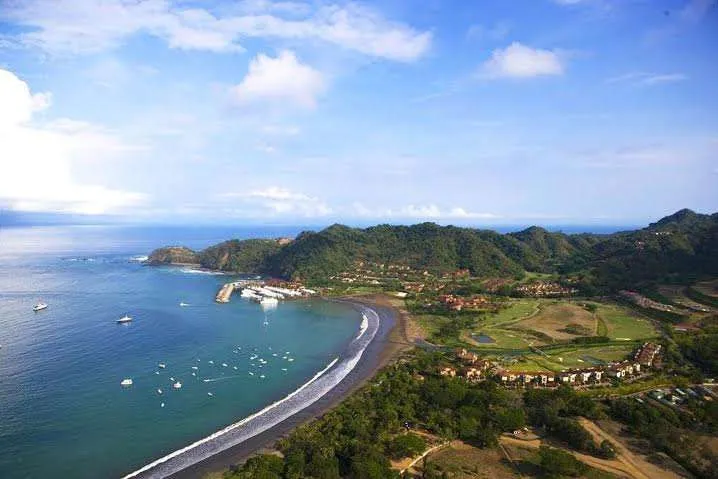
Discover the secrets savvy anglers use to unlock Costa Rica’s most explosive fishing windows—when overlapping species, shifting currents, and low competition deliver the year’s most memorable catches.
Most anglers planning a trip to Costa Rica focus on the classic seasons. The dry season from December to April is advertised as prime time for sailfish. The green season, from May to November, is ideal for tuna, mahi mahi, and marlin. What almost nobody talks about are the transitional months, those short windows between seasons when currents shift, bait moves, water temperatures change, and predators take full advantage of the chaos.
Late April into early May and late November into early December are Costa Rica’s hidden gems. Overlooked in brochures, these months secretly offer some of the most exhilarating mixed-action fishing available. For those who crave both offshore and inshore variety, these transitional periods create opportunities you simply cannot miss during peak season.
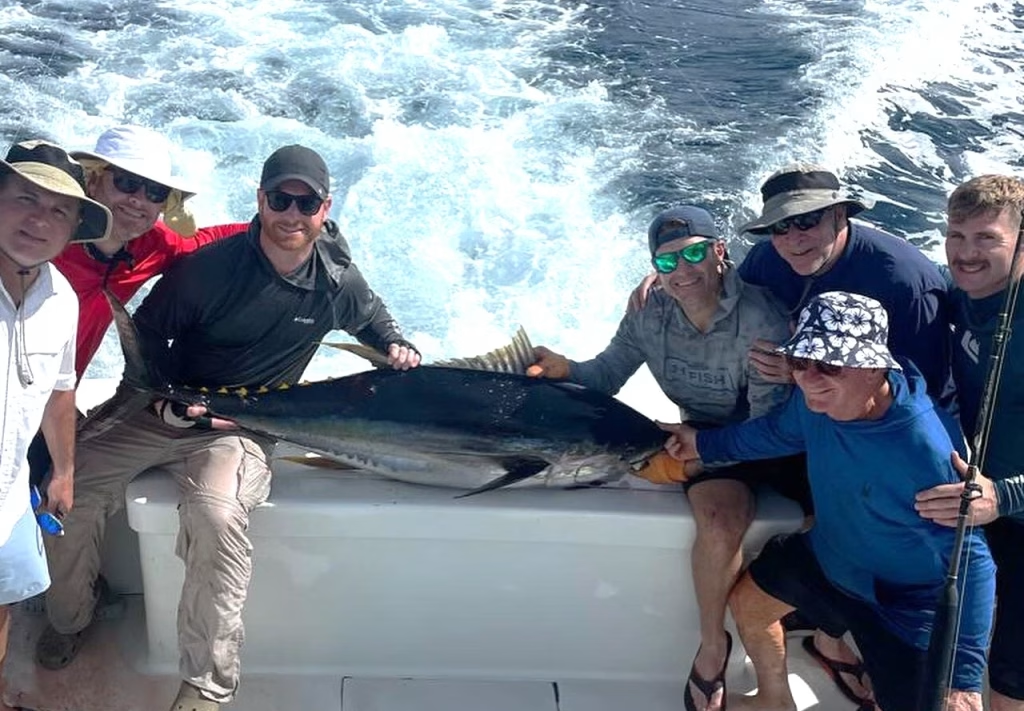
This guide details why these months stand out and how you can benefit by booking with Fish Costa Rica.
What Makes Transitional Months Different
The key to understanding transitional months is simple. Costa Rica’s marine life responds to changes in water temperature, currents, wind, and bait movement more than to the traditional human-defined seasons. Transitional periods are among the fastest biological and physical changes in the ocean. These changes bring overlapping species, unpredictable feeding windows, and high-energy action across both offshore and inshore fisheries.
During transitional months, you often get the last push of dry-season sailfish and early-arriving tuna and mahi mahi, along with increased marlin numbers, more aggressive roosterfish, shallower snapper and jacks, calm seas, and far fewer boats on the water.
- early-arriving tuna and mahi mahi
- Marlin is showing up in stronger numbers
- roosterfish feeding more aggressively
- Snapper and jacks are moving shallower
- calm seas that look like peak season
- far fewer boats on the water
This combination is why many experienced captains quietly prefer the transitional months to the predictable dry-season calendar.
For anglers wanting a deeper look at species availability by month, visit Costa Rica fishing by month.
Why Late April and Early May Produce Outstanding Variety
Late April and early May mark the shift from dry season to green season. The ocean undergoes rapid reorganisation during these weeks. The wind begins to soften, surface temperatures rise, and nutrient-rich water moves closer to shore.
1. Sailfish are still present and active
Even though the dry season is ending, the Central Pacific still holds strong sailfish numbers into late April and early May. You may not see the same massive concentrations as peak February, but quality hook-ups remain consistent. With fewer boats trolling the same lines, sailfish are often less pressured and easier to tease into the spread.
2. Yellowfin tuna arrive in increasing numbers
As currents warm and bait schools reorganise, tuna begin to show up in force. It is common to find multiple pods of spinner dolphins with large tuna beneath them. This period often produces the first big tuna of the year for anglers fishing from Jaco, Los Sueños, and Quepos.
To explore your offshore options, visit Costa Rica fishing charters.
3. Mahi mahi return earlier than most visitors expect
Dorado are typically known for strong action in the late green season, but transitional months bring a surprising early push of mahi mahi. The ocean has more floating debris, early rains wash branches into the water, and the first current breaks of the season form offshore. Mahi mahi loves this environment.

4. Blue marlin activity ramps up
As warm water begins to mix with deeper layers, blue marlin activity strengthens. Boats often experience unexpected billfish action while trolling for tuna or dorado.
5. Inshore action becomes extremely consistent
Inshore species thrive on changing conditions. When the dry season ends, sardines, anchoveta, and small runners begin schooling along the beaches, especially between Jaco and Herradura. Roosterfish, snapper and jacks respond fast.
For more on inshore fishing, visit inshore fishing in Costa Rica.
6. Afternoon rains bring more bait
The first light rains of May do not disrupt fishing. Instead, they push nutrients from the rivers and estuaries into the coastal zone. This boosts plankton levels and concentrates bait along the beaches. It is one reason why early May roosterfish and snapper bites can be outstanding.
Why Late November and Early December Offer Exceptional Fishing
The other overlooked window is late November and early December. This is when the rainy season ends, but the ocean still holds all the richness of months of rainfall.
1. Mahi mahi peak between September and early December
Heavy rains push logs, weeds, and natural debris from the rivers into the ocean. By late November, the Pacific is lined with floating structures that become the perfect habitat for dorado. December is often one of the very best mahi mahi months of the year.
2. Blue and black marlin remain active
Marlin follows temperature lines and bait pockets, not human calendars. Late November and early December often produce excellent marlin fishing because warmer pockets of blue water push closer to the Central Pacific.
3. Sailfish begin their peak arrival
The dry-season high sailfish migration builds from December through April. Early December often delivers the first truly strong sailfish days of the season. This overlaps perfectly with the tail-end of the mahi mahi run.

4. Yellowfin tuna remain incredibly consistent
Tuna do not respect seasonal boundaries. In fact, late fall and early winter often deliver surprisingly large tuna close to shore. Dolphin pods tend to group tightly during this period, making tuna easier to locate.
5. Inshore fishing becomes clean and predictable
As the rains fade and the ocean settles, coastal visibility improves. Inshore species like roosterfish, snapper, and mackerel thrive when water clarity increases. Many captains consider early December one of the best roosterfish periods of the year because sardines remain abundant from the rainy season.
Explore roosterfish-specific trips at roosterfish fishing in Costa Rica.
6. Far fewer boats are on the water
December becomes busy closer to the holidays, but early December is quiet. This creates ideal conditions for anglers who prefer less pressure and more natural feeding behaviour.
The Ocean Science Behind Transitional Fishing
Transitional periods create unique oceanographic conditions that rarely exist during stable seasons.
Temperature shifts create feeding boundaries.
Predators hunt along thermal edges where warm water meets cooler zones. Transitional months create more of these boundaries because surface water warms or cools faster than deeper layers.
Currents rearrange the food chain.
During transitions, the current direction and intensity change. This pushes bait into new areas, especially:
- sardines
- herring
- anchoveta
- ballyhoo
- juvenile runners
Predatory fish closely follow these bait movements.
Nutrient mixing produces healthy feeding zones.
The green season brings high nutrient levels. Dry season brings clarity. Transitional periods mix the two. Phytoplankton blooms increase baitfish populations, which in turn attract predators.
Clarity improves inshore sooner than offshore.
When the dry season begins, rain fades quickly, but sediment remains in the offshore layers longer. This means inshore waters often become clear before deep waters do, boosting inshore predatory behaviour.
Why Transitional Months Offer Some of the Best Variety of the Year
Most anglers choose months that are known for a single peak species. But transitional windows offer something better: overlap.
During a transitional trip, you might catch:
- sailfish
- tuna
- dorado
- marlin
- wahoo
- roosterfish
- snapper
- amberjack
- grouper
all within a few days.
It is one of the rare times when offshore and inshore momentum align.
For travellers who want maximum options, transitional months are ideal.
Lower Pressure Means More Natural Feeding
During peak dry season, charter fleets increase drastically. More boats mean more noise, more trolling pressure, and more competition for the same sailfish and marlin.
During transitional months, fleets are lighter. Predators act more naturally:
- They feed closer to the surface
- They respond faster to teasers
- They travel closer to shore
- They hold on to the structure longer without scattering
This combination often leads to “easy days” when fish bite freely.
What Anglers Can Expect During Transitional Windows
Offshore
- shorter runs to Blue Water
- more mixed species in the same area
- Surprising Marlin Encounters
- strong tuna and dorado
- early sailfish or late sailfish, depending on the window
Inshore
- extremely consistent roosterfish
- active snapper and jacks
- More sardines and blue runners along the coast
- cleaner water, especially in December
In short, transitional months allow anglers to experience a broader range of species and fishing conditions in a single trip—something that peak seasons rarely provide.
Why Transitional Months Work for Every Skill Level
Experienced anglers love these windows for their variety and unpredictability. Beginners love them because action is often more reliable and spread across different species. Families benefit from calmer seas in early December and early May, while serious anglers can chase multiple species without committing to one target.
The flexibility of transitional fishing makes it perfect for travellers who want both offshore excitement and inshore consistency in a single trip.
Planning Your Trip During Transitional Months
To get the most from these exceptional months, keep these key points in mind when planning your trip:
- Early December for mixed sailfish, marlin, dorado, and roosterfish
- Late April for strong tuna, early mahi, and the last dry-season sailfish
- May for inshore explosions with roosterfish and snapper
- November for heavy dorado schools and active marlin
For help choosing the right charter, visit Costa Rica fishing charters.
Final Thoughts
Transitional months are not simply “in between” seasons. They are dynamic windows when the ocean is most alive. Overlapping species, shifting currents, hungry predators, and lighter fishing pressure create some of the most exciting fishing opportunities in Costa Rica.
Whether you want marlin offshore, roosterfish inshore or a chance at a full mixed bag in one trip, transitional periods give you a fishing experience that peak season cannot match.
If you want a custom recommendation tailored to your target species and travel dates, I can help you craft the perfect trip with Fish Costa Rica.