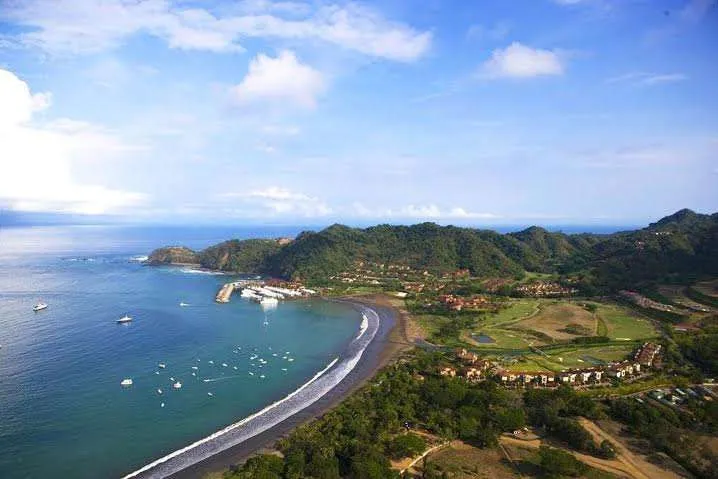
Costa Rica’s Pacific coast is home to some of the most consistent and exciting roosterfish action in the world. Known for their electrifying strikes, iconic dorsal fins, and incredible inshore fights, roosterfish thrive in the country’s tropical waters where rocky headlands, beaches, and current lines meet. Whether you’re fishing near Jaco, deep inside the Gulf of Nicoya, or along the remote shores of the Osa Peninsula, each region has its own character and peak conditions for finding trophy-size fish. This guide breaks down the best areas, seasons, and approaches to target roosterfish across Costa Rica.
To plan your trip, start by exploring our pages on Inshore Fishing in Costa Rica and Costa Rica Fish Species. You’ll find key details on the species you can encounter, seasonal conditions, and the different experiences offered from north to south.
Central Pacific: The Roosterfish Heartland
The Central Pacific region is the best-known and most accessible destination for roosterfish enthusiasts. From Los Sueños to Herradura, Jaco, and Quepos, this coastline offers a perfect blend of structure, bait, and experienced captains. Rocky points and islands create natural ambush zones where sardines and lookdowns gather, while nearby river mouths and bays provide ideal nursery areas for juvenile roosters.
Herradura Bay and Jaco: These areas are favored for half-day and full-day inshore trips, with boats reaching productive spots in just minutes. Points like Punta Leona and Playa Agujas often hold steady numbers of 20–40 lb roosterfish, while larger trophies appear when baitfish are abundant.
Quepos and Manuel Antonio: With more varied bottom structure and river outflows, Quepos offers excellent action for both numbers and size. The rocky ledges near the national park and the islands off the coast produce strong fish year-round, especially on rising tides.
Gulf of Nicoya: Calm Waters and Productive Edges
The Gulf of Nicoya is a different kind of roosterfish destination — calmer, more protected, and ideal for anglers who want reliable action without long runs. This area supports rich bait concentrations, especially near the mouths of the Tarcoles, Barranca, and Tempisque rivers. The combination of estuaries and rocky shoals provides both nursery and feeding grounds for roosters of all sizes.
Inside the gulf, roosterfish use channels, points, and sandbars as ambush points. The sheltered environment also makes it one of the best places in Costa Rica for light-tackle and fly anglers. When the tides align, roosters patrol the beaches around Isla Negritos and Paquera, attacking bait schools pushed by the current.
For travelers seeking a relaxed environment and scenic backdrop, consider pairing your trip here with nearby eco-lodges or multi-day fishing packages. Our Costa Rica Fishing Packages page can help you plan a customized itinerary that mixes inshore fishing with other local adventures.
Osa Peninsula and Southern Pacific: Land of Giants
The southern Pacific region of Costa Rica, stretching from Dominical to Golfito and the Osa Peninsula, is where serious anglers go to target trophy roosterfish. The combination of rugged coastline, powerful currents, and deep rocky structure creates the perfect environment for large specimens. Many of the biggest fish in Costa Rica — 50 to 80 pounds or more- come from this area.
Drake Bay and the Osa Coast: Offshore reefs and river plumes along the Osa create abundant bait lines that attract roosters. The proximity of deep water to shore means both inshore and pelagic species can appear on the same trip. Early mornings on the incoming tide are often best for topwater action.
Golfito and Pavones: This is the southernmost stronghold for Costa Rica’s roosterfish, with endless coastline, volcanic rock shelves, and calm back bays. The area’s remoteness keeps fishing pressure low, and guides here specialize in live bait and sight-casting along current seams.
The Osa is ideal for anglers who want solitude and scenery as much as fish. With its rainforest backdrop and proximity to Corcovado National Park, it’s also one of the most biodiverse coastal areas on the planet.
North Pacific: Guanacaste’s Hidden Hotspots
While the northern Pacific is better known for billfish, wahoo, and tuna, it also hides seasonal opportunities for roosterfish. Headlands and rocky islands near Flamingo, Tamarindo, and Nosara can produce excellent inshore action when conditions align. Late green season and early dry season bring schools of mullet and sardines close to shore, attracting packs of roosters that feed aggressively in shallow surf.
Because of seasonal wind and water clarity, the north coast requires a flexible approach. When visibility drops, anglers may shift focus to deeper reefs or sheltered bays until the water clears. Local guides familiar with these transitions can put you in the right place when conditions turn favorable.
How to Choose the Right Location
Each region of Costa Rica offers something unique for roosterfish hunters. Your choice should depend on travel time, season, and the experience you want. The Central Pacific provides convenience and consistency, the Gulf of Nicoya offers calm and family-friendly conditions, and the South Pacific delivers size and adventure. Northern Guanacaste adds an off-the-beaten-path option for those chasing variety.
Consider combining a few destinations to experience the country’s diversity. Many anglers start in Los Sueños or Jaco for inshore warm-up days before heading south to Golfito or Drake Bay for a shot at true trophies. Our team can help coordinate travel, lodging, and multi-day itineraries to connect these regions seamlessly.
When to Go for Trophy Roosterfish
Roosterfish are available year-round, but larger fish become more predictable during the green season from May through November. This is when rainfall increases nutrient flow, boosting baitfish production inshore. Early mornings and late afternoons around tide changes are prime times to fish. The dry season (December to April) brings calmer seas and better water clarity, perfect for sight-casting and fly fishing, though sometimes with fewer giants.
To align your trip with optimal conditions, check the Costa Rica Fishing Calendar. You’ll find monthly updates on weather, species movement, and bait availability across the country’s key regions.
Choosing the Right Captain and Boat
Local knowledge is the single biggest factor in success. Roosterfish are highly structure-oriented, and the best captains know every point, channel, and submerged reef by heart. Look for crews that specialize in inshore trips, use circle hooks, and practice ethical release methods. Captains who work closely with FECOP’s data collection programs often have years of firsthand tagging experience, providing insight that goes beyond just catching fish.
Whether you prefer a fast center console or a comfortable cabin boat, make sure your captain provides the right gear — 30–50 lb spinning or conventional setups, quality fluorocarbon leaders, and live bait tanks. You’ll find many experienced inshore operators listed under Quepos Fishing Charters and other regional pages throughout our site.
Planning the Perfect Roosterfish Adventure
The ideal roosterfish trip mixes variety and flexibility. Start with one or two inshore days in the Central Pacific to fine-tune your technique, then head south for a big-fish mission in the Osa or Golfito. Mix in a day of offshore fishing or a waterfall excursion for a balanced Costa Rica experience. For larger groups, we can build combination itineraries through our Costa Rica Fishing Packages to include transfers, hotels, and meals.
Every region of Costa Rica offers something different, but all share one philosophy: respect the fish and the ecosystem. Roosterfish are a catch-and-release treasure that defines Costa Rica’s inshore identity. By booking with ethical operators and supporting conservation-focused tourism, you’re helping preserve one of the most exciting game fish on the planet for generations to come.
Ready to Find Your Trophy Roosterfish?
The next time you hear that trademark splash near a rocky point, you’ll know you’re in the right place. From the reefs of Quepos to the volcanic shores of Golfito, Costa Rica’s coastline is built for roosterfish action. Plan your trip with experienced inshore captains, fish responsibly, and enjoy one of the most thrilling experiences in tropical sportfishing. Start exploring Inshore Fishing in Costa Rica today and get ready to meet your trophy roosterfish up close.