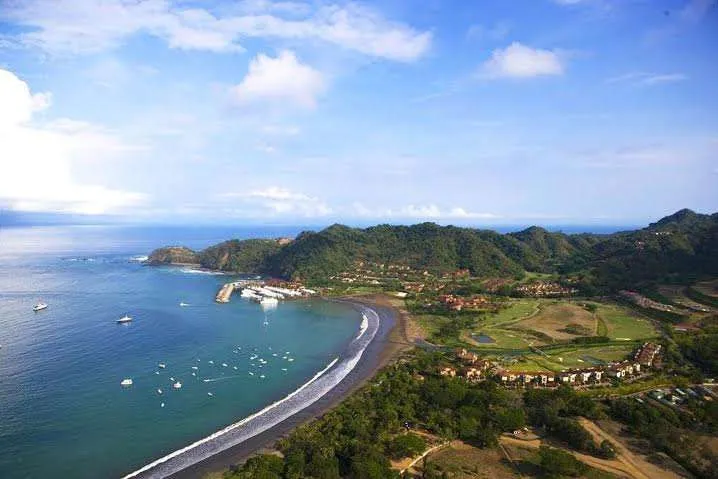
Few fish in Costa Rica deliver the speed, power, and table quality of the wahoo. These torpedo-shaped predators appear along the country’s Pacific coastline from Guanacaste to the Osa Peninsula, and even on the Caribbean side during the right season. But where exactly should you go if wahoo are your main target? This regional guide highlights the most productive wahoo zones in Costa Rica and what to expect in each area.
Whether you launch from Flamingo, Papagayo, Los Sueños, Quepos, or Golfito, wahoo are never too far away. With the right speed, lure, and timing, you can turn a good day offshore into an unforgettable one.
Wahoo Behavior and Migration
Before exploring each region, it’s worth understanding what drives wahoo movement. Wahoo prefer clear, warm, and oxygen-rich water between 70 and 85°F. They roam the edges of current lines, temperature breaks, and underwater structure — anywhere baitfish gather. Because they’re solitary or travel in small groups, finding one often means finding several. Their unpredictable, nomadic nature keeps anglers on their toes, which is why knowing regional patterns is key to success.
In Costa Rica, two peak windows dominate the wahoo scene. The dry season (December–April) offers stable weather and fast-troll opportunities in clear blue water. The green season (May–October) brings more structured fishing near reefs and islands when bait clusters closer to shore. Both seasons produce trophy fish, but techniques and locations vary slightly depending on the region.
1. North Pacific: Guanacaste and the Islands
Flamingo and Potrero Bay
The newly rebuilt Marina Flamingo gives anglers access to one of Costa Rica’s most exciting wahoo zones. The area’s volcanic structure and island chains create perfect ambush territory. Just a short run from the marina, the Catalina Islands rise from deep water and attract bait schools year-round. Fast-trolling between the islands and the outer ledges is a proven method for 30–60 lb wahoo.
During the dry season, calm mornings allow captains to run fast at 14–16 knots across current lines and color changes. The first light bite can be explosive. As the sun rises, dropping one lure deeper with a trolling weight or planer often triggers additional strikes. In the green season, when winds ease, the same area continues to hold fish near floating debris lines and thermoclines.
Papagayo and Bat Islands
Papagayo sits at the northern edge of Costa Rica’s Pacific and offers easy access to the famous Bat Islands. These remote islands are surrounded by steep drop-offs and turbulent currents, perfect hunting grounds for wahoo. When the trade winds calm (typically May–November), the run to the Bats becomes a high-speed troll paradise. Many anglers report multiple hookups on successive passes along the island’s deep walls.
In addition to wahoo, these same waters produce yellowfin tuna and dorado, making Papagayo ideal for combo trips. With a little planning, you can target wahoo in the morning and switch to tuna in the afternoon. Lodging and resorts nearby make this one of the most comfortable sportfishing bases in Costa Rica.
Playas del Coco and Hermosa
Playas del Coco has long been a favorite for anglers looking for productive half-day or full-day charters close to shore. Wahoo strikes are common around rocky headlands, reefs, and temperature breaks. While not as consistent as Flamingo or Papagayo, the area offers easy access to deep water and calm conditions. Fast-trolling between Coco, Ocotal, and the northern reefs often pays off, especially on an outgoing tide with surface bait visible.
2. Central Pacific: Los Sueños, Herradura, and Quepos
Los Sueños and Herradura Bay
The Los Sueños Marina in Herradura Bay is synonymous with big-game fishing. While most visitors come for sailfish and marlin, wahoo show up regularly during offshore runs. The area benefits from short travel distances to deep water, only 20 to 40 miles. Captains frequently pick up wahoo on high-speed lures while transiting between billfish spots.
Dry-season months (December–April) are the most reliable, especially along current rips running parallel to the continental shelf. The trick is to run one or two fast lures outside your normal marlin spread. When the clicker screams, you’ll know a wahoo has found you. Early mornings and days with clean blue water tend to produce the best. Combining a wahoo troll with a full-day offshore charter gives you the chance to land both marlin and wahoo on the same day.
Quepos and Marina Pez Vela
Two hours south of Los Sueños lies Quepos, home to Marina Pez Vela. This port offers diverse opportunities for both offshore and inshore fishing. Wahoo appear here in the same waters that hold sailfish and dorado. Fast-trolling near the 1,000-foot line often produces strikes during January through March. The area’s current lines attract bait schools and pelagic predators all season.
Inshore reefs near Manuel Antonio occasionally yield smaller wahoo, particularly around bait-rich areas and submerged pinnacles. For anglers seeking variety, Quepos delivers: start with billfish offshore, finish with roosterfish near the rocks, and still have time to enjoy the beaches and restaurants nearby.
3. South Pacific: Osa Peninsula and Golfito
Drake Bay
Drake Bay offers a remote, wild backdrop for serious anglers. Fast-trolling along the edges of the continental shelf and seamounts here regularly produces wahoo, tuna, and dorado. The waters near Caño Island and Matapalo Rock are particularly productive, especially when tides push bait along the drop-offs. December to March provides the best combination of calm seas and bluewater clarity, perfect for high-speed techniques.
Because of its distance from larger marinas, Drake Bay remains lightly fished compared to Los Sueños or Flamingo. This lack of pressure means better odds for trophy-size wahoo. Many anglers combine a few nights here with inshore action for snapper and snook inside the nearby bays.
Golfito and Golfo Dulce
Farther south, Golfito serves as the gateway to the Osa Peninsula and offshore FAD territory. Wahoo strikes are common while transiting between FAD locations or working current breaks off the continental shelf. Matapalo Rock, near the entrance of Golfo Dulce, is a top landmark for high-speed trolling. Wahoo caught here often exceed 50 pounds, feeding aggressively on sardines and mackerel pushed in by tides.
With legendary captains like Bobby McGuinness calling Golfito home, this region maintains its reputation for big fish and skilled crews. For anglers seeking adventure beyond the well-traveled marinas, Golfito offers both quality fishing and natural beauty unmatched anywhere else in Costa Rica.
4. Caribbean Coast: A Rare but Possible Bonus
Although most wahoo action takes place on the Pacific, the Caribbean side occasionally produces strong catches. Around Tortuguero and Puerto Limón, offshore boats sometimes encounter wahoo near floating debris or when targeting tarpon and snook. These are opportunistic bites rather than targeted runs, but they prove that wahoo can thrive wherever bait and temperature align. If you’re fishing both coasts, consider it a special bonus.
Best Times and Conditions by Region
| Region | Peak Season | Average Size | Typical Conditions |
|---|---|---|---|
| Flamingo & Papagayo | Dec–Apr, May–Aug | 30–60 lb | Clear water, island structure, mild currents |
| Los Sueños & Quepos | Dec–Apr | 25–50 lb | Bluewater edges, offshore current lines |
| Drake Bay & Golfito | Jan–Mar, Aug–Oct | 40–70 lb | Steep drop-offs, thermocline edges |
| Caribbean | Varies by weather | 20–40 lb | Floating debris, mixed pelagic schools |
Techniques for Each Zone
- North Pacific: Focus on fast-troll tactics with heavy cable leaders and 12–16 knot speeds. Stay near island contours and current seams.
- Central Pacific: Mix fast-trolling with traditional offshore spreads. Wahoo here are opportunistic, so one or two high-speed lures can make the difference.
- South Pacific: Target deep contours using planers or trolling weights to reach 40–60 feet. Larger fish patrol the thermocline edges.
- Caribbean: Look for floating logs and color breaks; troll moderately fast with diving plugs or small jet heads.
Wahoo Fishing Packages and Custom Trips
Because wahoo appear across multiple regions, many anglers choose to combine destinations. Start in the north around Flamingo or Papagayo, then travel down to Los Sueños and Quepos for bluewater diversity. Finish in the south with a few days in Golfito for a chance at true trophy fish. Our team designs multi-location fishing packages in Costa Rica that follow seasonal migrations and maximize your time on the water.
Conservation and Licensing
All anglers must carry a valid Costa Rican Fishing License issued by INCOPESCA. We encourage selective harvest; wahoo are excellent table fare, but should be kept responsibly. All of our captains practice sustainable techniques and adhere to local conservation standards to ensure these fast, beautiful fish remain abundant for generations to come.
Plan Your Wahoo Adventure
From Guanacaste’s volcanic islands to the remote drop-offs of the Osa Peninsula, Costa Rica offers countless opportunities to chase wahoo. These fish strike fast, fight hard, and reward those who bring the right gear and attitude. Whether you want a fast-troll morning near the islands or a full offshore expedition from Los Sueños or Quepos, we have the right charter for you.
Start by exploring our Wahoo Fishing Guide for techniques, then check current conditions on the Costa Rica Fishing Calendar. When you’re ready, contact the experts who know these waters best.
Call 1-800-986-6980 or message us on WhatsApp at +506 8888 4723. Let’s plan your next fast-troll adventure and put you on the wahoo of a lifetime.