
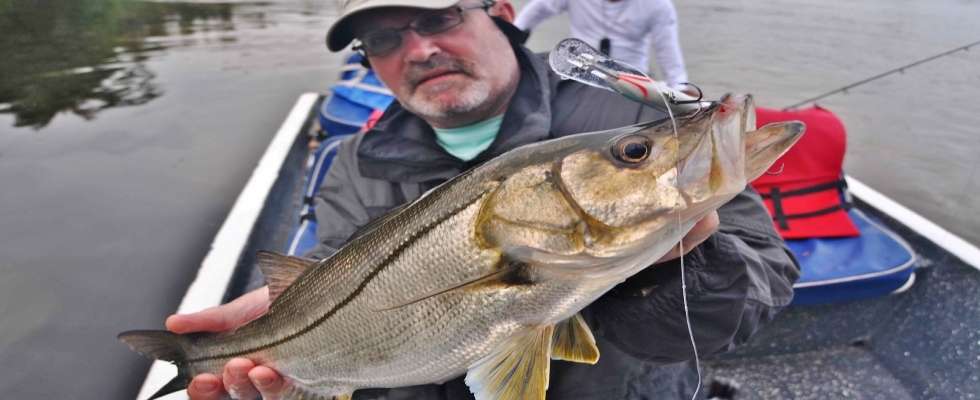
There’s something unforgettable about a trophy snook exploding out of Costa Rica’s surf, shaking its massive head before crashing back into the water. These fish aren’t just powerful; they’re smart, elusive, and demand the best of any angler’s skills. Costa Rica’s unique blend of river systems, beaches, and tidal estuaries creates one of the world’s most reliable places to pursue trophy snook, with fish regularly exceeding 40 pounds and an occasional giant over 50.
Whether you’re chasing a new personal best or your first true monster, this guide breaks down everything you need to know: where to go, when to fish, and how to adapt your gear and tactics to land the fish of a lifetime. To plan your next adventure, visit Snook Sport Fishing in Costa Rica for expert captains, charter options, and customized itineraries.

Why Costa Rica Produces Monster Snook
Few countries can match Costa Rica’s snook habitat diversity. On the Pacific coast, the constant tidal exchange and nutrient flow from rivers create oxygen-rich estuaries where baitfish thrive. On the Caribbean side, dark, tannin-stained rivers like Barra del Colorado and Parismina deliver an endless supply of food that sustains large populations of common and fat snook (Calba).
But what really makes Costa Rica stand out is its year-round feeding environment. Warm water temperatures keep metabolism high, so snook remain active even in the “off” months. Add to that a strong conservation ethic, particularly around catch-and-release practices, and you have one of the healthiest snook fisheries in the Americas.
Where to Find Trophy Snook in Costa Rica
While both coasts produce impressive fish, the Pacific side has earned its reputation for producing true giants. Here’s where to focus your efforts if you’re after size rather than sheer numbers.
1. Quepos and the Savegre River
Perhaps the most famous trophy snook location in Costa Rica, the Savegre River mouth south of Quepos has produced countless 40+ pound fish. The current and structure create perfect ambush zones, especially when river flow is moderate and the surf is calm enough to allow controlled casting. Guides time their trips for the incoming tide, when the bait moves toward the beach.
2. Dominical and the Naranjo River
Dominical’s wild surf and remote beaches make it a snook angler’s paradise. The Naranjo River mouth produces some of the heaviest fish in the country, especially during the green season (May–November). Anglers casting live mullet or bucktail jigs at sunrise have a real chance at fish over 45 pounds here.
3. Jaco and Los Sueños
For anglers looking for a convenient base with professional captains, Jaco and Los Sueños Fishing Charters offer reliable snook fishing with easy access to multiple productive river systems. The Tárcoles and Tusubres Rivers are consistent producers of snook between 15 and 30 pounds, with occasional giants during the rainy months.
4. Golfito and the Golfo Dulce
Further south, the calm mangrove estuaries of Golfito and Puerto Jiménez produce trophy snook in a quieter, more protected environment. These fish use the mangrove roots as ambush cover, striking mullet and sardines flushed by the tide. Because the water is calmer, anglers can use lighter tackle and target them precisely along drop-offs and channels.
5. Barra del Colorado (Caribbean)
On the Caribbean side, Barra del Colorado remains the best place to find giant common snook. Fish in the 25–35 lb range are common, and trophy specimens over 40 lbs are landed each season, usually on live bait drifted across the river mouth. The best time is during the Calba run (October–December), when massive schools of smaller snook attract predators and stimulate feeding frenzies.
When to Target Trophy Snook
Trophy snook fishing in Costa Rica is heavily influenced by season, tide, and water clarity. While snook are caught year-round, timing your trip with peak conditions dramatically increases your chances of hooking a big one. For detailed timing by species and region, check Fishing in Costa Rica by Month.
- Pacific Peak Months: April–June and October–December.
- Caribbean Peak Months: October–December (Calba run) and March–May.
- Best Tides: Incoming tides create movement and push bait toward the surf line.
- Time of Day: Early morning and late afternoon, when light is low and water is cooler.
For trophy-class fish, plan multi-day trips and fish key tide windows rather than long mid-day sessions. The biggest snook usually bite during strong tidal shifts or immediately after rainfall when bait is flushed from the rivers.
Techniques That Consistently Produce Giants
1. Live Bait Presentation
Live bait is king when it comes to catching trophy snook. The most effective baits include mullet, sardines, and blue runners, depending on the region. Hook your bait through the nose to allow natural swimming action and cast slightly up-current. Keep your line tight but your drag light — trophy snook often hit hard, run straight for the current, and then jump. Learn more about natural presentation on our live bait fishing techniques page.
2. Bucktail Jigs and Soft Plastics
Heavy bucktails in white or chartreuse colors are the classic artificial for Costa Rican snook. Bounce them slowly along the bottom during the last hour of the incoming tide. Soft-plastic swimbaits and paddle tails also work well, particularly in murky water after rain. Retrieve with a steady pulse, too fast and the snook lose interest.
3. Surf Casting for Trophy Snook
Surf fishing near river mouths like Savegre, Parrita, or Naranjo is one of the most thrilling ways to hook a giant snook. Use a long (9–10 ft) spinning rod, a 6000-size reel, and 30 lb braid. Cast diagonally across the current seam and retrieve with a slow, natural drift. Keep your drag moderate; you’ll need to give the fish space to run in the surf.
4. Trolling the Drop-Offs
In deeper estuaries such as Golfito or Barra del Colorado, slow-trolling live bait or shallow-diving plugs can produce record-class snook. Troll parallel to current seams and structure edges, keeping your bait just above the bottom. Use circle hooks and a soft drag to prevent pulled hooks during the initial strike.
5. Targeting the Color Line
Every seasoned guide in Costa Rica watches for the “color line”, the visible boundary where clear ocean water meets darker river water. This line concentrates baitfish and is a magnet for big snook. Cast lures or drift live baits along this line for consistent results, especially during the first hour of the incoming tide.
Gear for Giant Snook
When hunting snook over 30 pounds, standard inshore gear won’t cut it. You need equipment designed to handle heavy drag and sudden bursts of power.
- Rod: 7’ 8’ medium-heavy spinning or casting rod with a strong backbone.
- Reel: 5000–6000 size spinning reel or 300–400 class baitcaster with smooth drag.
- Main Line: 30–40 lb braided line.
- Leader: 50–80 lb fluorocarbon, snook have razor-sharp gill plates.
- Hooks: 4/0–6/0 circle or live bait hooks.
- Lures: 1–1.5 oz bucktails, 6–8” paddle tails, and 5” surface plugs.
Bring a long-handled landing net or lip gripper for safe handling. When possible, release big breeding females quickly to support conservation efforts.
How to Fight and Land a Trophy Snook
Big snook are masters at using current, surf, and structure to their advantage. When you hook a large one, the first few seconds of the fight are critical. Keep steady pressure without locking the drag, and avoid “high-sticking” the rod. If the fish runs toward the surf, follow it laterally along the beach to prevent the line from rubbing on rocks or sandbars.
Once the snook tires, steer it into shallow water with the rod tip low. Avoid lifting the fish by the jaw alone, use two hands or a cradle grip to support its body weight. If releasing, keep the fish in the water while removing the hook and revive it facing into the current.
Other Trophy Targets in Snook Territory
While pursuing giant snook, anglers often encounter other prized inshore species. The same river mouths and surf lines hold roosterfish, cubera snapper, jack crevalle, and corvina. Many captains specialize in combined inshore charters where you can switch tactics mid-day depending on tides.
This variety makes Costa Rica ideal for anglers who enjoy constant action and diverse opportunities on a single trip. For broader inshore options, visit Inshore Fishing Costa Rica to explore all available charters and target species.
Planning the Perfect Trophy Snook Trip
Here’s a simple framework for building a highly successful snook itinerary in Costa Rica:
- Choose Your Coast: The Pacific offers accessibility and bigger average fish, while the Caribbean excels in volume and seasonal peaks.
- Pick Your Window: April–June or October–December for the Pacific; October–December for the Caribbean.
- Base Near Multiple Rivers: Stay near Quepos, Dominical, or Jaco for quick access to several productive mouths.
- Book an Experienced Captain: Local knowledge of tides, bait, and river dynamics makes all the difference. Find experts through Snook Sport Fishing in Costa Rica.
- Fish Smart: Focus on short, high-percentage sessions around key tides rather than all-day casting.
Conservation and Responsible Angling
Most Costa Rican captains encourage catch and release for large female snook, which are vital to maintaining a healthy population. Always use circle hooks, avoid excessive handling, and never drag fish onto dry sand. Quick photos, gentle release, and respect for local size limits ensure this fishery remains world-class for future generations.
Final Thoughts: The Ultimate Challenge
Trophy snook fishing in Costa Rica is not for the impatient. It demands precision, observation, and timing, but the reward is unmatched. When a giant Robalo hits your bait and tears off toward the surf, you’ll understand why anglers chase this fish for a lifetime.
Whether you fish from the surf near Dominical, drift a live mullet through the Savegre River, or troll the channels of Barra del Colorado, every moment holds the potential for a record-class catch. To start planning your next adventure, visit Snook Sport Fishing in Costa Rica for professional guidance, boats, and travel packages tailored to trophy hunters.
Book your Costa Rica snook charter today and see why these elusive giants continue to define the thrill of inshore fishing across the country’s legendary coasts.


