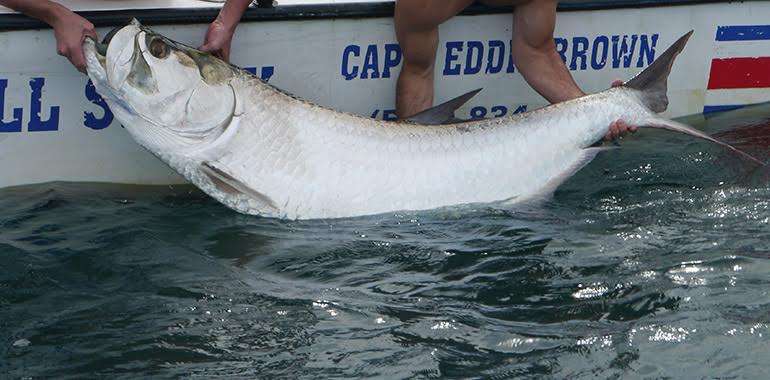
Few experiences in sportfishing compare to the rush of battling a silver king on Costa Rica’s Caribbean coast. The country’s network of rivers, lagoons, and coastal canals creates one of the most unique tarpon habitats in the world. From the rolling swells off Tortuguero to the tea-colored waters of Puerto Limón, anglers can target tarpon in both salt and freshwater environments, often just minutes from their lodge or boat dock.
Why the Caribbean Coast Is Ideal for Tarpon
Unlike the Pacific side, Costa Rica’s Caribbean waters are dominated by large river mouths that pour into the sea, creating brackish conditions that tarpon love. Nutrient-rich runoff from rainforests fuels baitfish populations year-round, while calm weather windows between January–May and September–November deliver ideal fishing conditions. These cycles attract migrating tarpon schools weighing 60 to more than 150 pounds.
Another advantage is accessibility. The region’s main tarpon fisheries are concentrated within a short stretch of coast, meaning anglers can reach several productive areas during a single trip. Whether you’re exploring quiet lagoons or running offshore through a river mouth, you’re never far from the action.
Tortuguero River and Lagoon System
The Tortuguero River is the heartbeat of Costa Rica’s tarpon scene. Its deep channels and wide lagoon offer year-round opportunities for both resident and migrating fish. Most anglers launch from the village of Tortuguero, heading toward the river mouth at dawn to intercept rolling schools near the surf line.
Inside the canals, calm waters provide excellent casting for medium-sized tarpon and occasional snook. The area’s lush jungle backdrop and abundant wildlife make it a favorite for anglers who want fishing and nature in one unforgettable setting. Learn more about this region on our Tortuguero Fishing page.
Barra del Colorado: The Tarpon Capital of Costa Rica
Farther north lies the legendary Barra del Colorado, home to some of the largest tarpon caught in Central America. Here, the Rio Colorado spills into the Caribbean, forming a powerful mix of currents and eddies where baitfish congregate. Anglers often troll just outside the surf line or drift live baits near river mouths where tarpon feed aggressively.
This remote region is also known for its exceptional guides, many with decades of experience reading tides, weather, and current flows. Barra’s fishing lodges and Caribbean Tarpon & Snook charters specialize in multi-day packages combining tarpon, snook, and freshwater jungle excursions.
Parismina River and Lagoon
Located between Barra del Colorado and Tortuguero, the Parismina River offers a balance of accessibility and action. It’s known for consistent catches of 60–100 lb tarpon from March through May and again from September through November. Local captains often begin inside the lagoon and move toward the mouth once the tide turns.
Parismina’s remote setting and calm lagoon make it ideal for fly fishing enthusiasts. The protected backwaters also hold juvenile tarpon, making it one of the few destinations where anglers can target multiple life stages in a single day.
Puerto Limón and the Southern Lagoons
Closer to civilization, Puerto Limón and its surrounding canals offer great tarpon opportunities, especially for travelers short on time. These waters are fed by several smaller rivers that create murky, bait-rich zones ideal for tarpon ambushes. While the action may be more tide-dependent than farther north, Limón’s accessibility and comfortable lodging make it a practical choice for weekend trips or shorter charters.
During calm months from August through October, anglers also find excellent fishing just outside the breakwaters, where tarpon feed along current seams and color changes. For regional details and charter information, visit our Puerto Limón Fishing page.
Techniques for Success in Rivers and Lagoons
While the setting may vary, successful tarpon fishing across these systems depends on reading the water and adjusting to conditions. Early morning and late afternoon are prime windows, especially around changing tides. Live baits like sardines or mullet are top producers, while lures such as diving plugs, soft plastics, and heavy jigs work well in deeper channels.
Many captains combine trolling outside the river mouths with slow drifts inside the lagoons to locate active fish. Fly anglers focus on the calm canals, using sinking lines and large baitfish patterns. Each zone requires flexibility; what works in Tortuguero’s open mouth may differ completely from Parismina’s quieter lagoon.
Seasons and Weather Patterns
The Caribbean’s unique weather cycles dictate fishing success. Tarpon are present all year, but two main seasons dominate:
- Late January through May: Calm conditions, clear water, and strong migration of mature tarpon.
- September through early November: Stable seas and high bait concentrations near river mouths; peak activity for both tarpon and snook.
Between these windows, rainfall can create high river levels and stronger currents, limiting offshore runs but concentrating fish inside lagoons and canals.
Conservation and Responsible Fishing
All tarpon fishing in Costa Rica is conducted under strict catch-and-release practices. These fish are vital to the region’s ecology and tourism economy, so responsible handling is key. Captains use circle hooks and barbless setups to reduce injury, keeping fish in the water during release whenever possible.
Anglers should also secure a valid Costa Rican fishing license before their trip. The small fee supports conservation programs managed by INCOPESCA and helps protect future generations of these magnificent fish.
Plan Your Caribbean Tarpon Adventure
Whether you’re casting in Tortuguero’s lagoon or trolling the surf off Barra del Colorado, Costa Rica’s Caribbean offers world-class tarpon action in a pristine jungle setting. Every river and lagoon has its rhythm, from explosive battles offshore to stealthy strikes inside winding canals.
For trip planning and custom packages, visit our Caribbean Charters or Fishing Packages in Costa Rica pages. Our team connects anglers with top local guides, experienced captains, and lodges that know how to find the silver kings.
Start your adventure today, Costa Rica’s Caribbean coast is waiting to test your skill, stamina, and spirit with one of the world’s greatest gamefish.