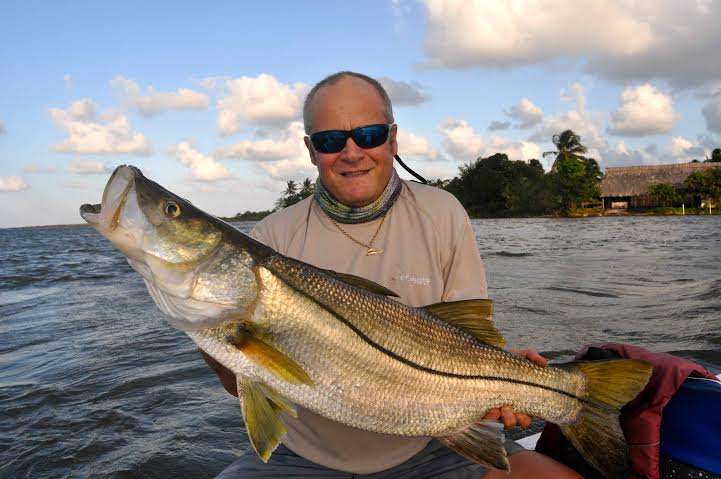
Few scenes in Costa Rica’s sportfishing world are as electrifying as a snook striking a live mullet right in the wash of a river mouth. The mix of freshwater and saltwater creates a dynamic feeding zone that attracts not just snook, but also jacks, snapper, and even the occasional tarpon. For anglers who crave fast action and the chance to hook trophy fish close to shore, river mouth fishing in Costa Rica is the key to consistent success year-round.
This detailed guide explores why river mouths are the heartbeat of Costa Rica’s inshore fishing. You’ll learn which locations produce best, how to fish them effectively, and when to plan your trip for maximum results. If you want to experience the thrill of this style of fishing firsthand, start by exploring Snook Sport Fishing in Costa Rica, where you can find the best local captains and trip options on both coasts.

Why River Mouths Are Snook Magnets
Snook are ambush predators that thrive in transition zones, the places where tidal flow, freshwater nutrients, and baitfish all collide. Every major river on Costa Rica’s Pacific and Caribbean coasts eventually meets the sea, forming natural “buffets” for snook and other game fish. The combination of strong currents, changing salinity, and endless bait supply creates perfect feeding conditions.
Here’s why these zones are so productive:
- Food Concentration: Freshwater flow brings shrimp, small fish, and crustaceans out of the estuaries. Snook position themselves on the edges to ambush prey.
- Cover and Ambush Points: Mud lines, sandbars, and rocky ledges provide cover for snook to strike unseen.
- Temperature & Oxygen: The mixing of fresh and salt water creates oxygen-rich zones, especially productive during the early morning and evening tides.
Experienced guides on both coasts time their sessions precisely around these tidal and current changes. The most successful captains don’t fish all day; they fish the right two hours of the day, when water movement and bait concentration align perfectly.
Top River Mouths on the Pacific Coast
The Pacific side of Costa Rica offers more accessible and diverse river mouth fisheries. The region’s tidal fluctuations and steep beaches create dramatic current seams and sandbars, where snook, jacks, and red snapper hunt together. Here are the standout spots every angler should know:
1. The Savegre River (Quepos)
Just south of Quepos, the Savegre River is a favorite among local guides for trophy Pacific snook. When the tide rises, baitfish funnel through the surf, and snook move in tight to the sand. The key here is stealth, casting up-current and letting your bait drift naturally into the seam. Many anglers pair a snook morning with an afternoon offshore trip out of Los Sueños Fishing Charters or Quepos for a full day on the water.
2. The Naranjo River (Manuel Antonio)
Located north of Dominical, the Naranjo River offers reliable snook fishing nearly year-round. It’s best fished on the incoming tide when the surf starts to flatten. Local captains often use live sardines and mullet to tempt big fish holding near the outer sandbar. The Naranjo’s backdrop of jungle cliffs makes it one of the most scenic snook spots in Central America.
3. The Tárcoles River (Near Jaco)
One of the closest snook fisheries to San José, the Tárcoles River mouth is easily accessible for day trips. The surf can be powerful, but the snook are equally strong. Smaller pangas and beach-casting setups both produce here, especially during early morning high tides. Anglers often combine a snook morning with a visit to nearby inshore fishing charters in Jaco and Herradura.
4. The Parrita and Tusubres Rivers
Just north of Quepos, these lesser-known river mouths offer excellent action without the crowds. During the green season (May–November), slightly stained water attracts both snook and snapper. Locals fish these rivers from shore using heavy spinning tackle and live mullet. The combination of surf power and snook aggression makes for unforgettable battles.
5. Golfito and the Golfo Dulce Rivers
Further south, the rivers feeding into the Golfo Dulce form some of Costa Rica’s most pristine snook habitat. The calm, mangrove-lined waters near Golfito and Puerto Jiménez are ideal for slow-trolling live bait or working jigs along channel edges. The lack of surf makes this an excellent choice for anglers seeking consistent bites in protected water.
Top River Mouths on the Caribbean Coast
The Caribbean coast, while less developed, is home to some of the most productive snook fisheries in Central America. These rivers are famous for their Calba runs, migrations of small, fat snook that swarm into estuaries and lagoons by the thousands. The combination of muddy water, constant current, and huge bait concentrations creates non-stop action for visiting anglers.
1. Barra del Colorado
Located near the Nicaraguan border, Barra del Colorado is Costa Rica’s undisputed Caribbean snook capital. The massive river delta connects several channels that funnel baitfish directly into the sea. Anglers can fish from small boats inside the river or cast from the beach where the river meets the ocean. This area also offers chances at tarpon, jacks, and mackerel.
2. Parismina River
The Parismina River is known for consistent snook and tarpon action, especially during calm weather windows from October through December. Guides here often alternate between trolling live bait and casting jigs near the sandbars. It’s remote, but for serious anglers, the payoff is worth the journey.
3. Tortuguero River
Tortuguero combines wildlife-rich canals with powerful river mouth currents. Anglers here can expect a mix of common snook and fat snook during the fall months. The fishing is intense but peaceful, surrounded by rainforest and wildlife rather than boats or noise.
Techniques for River Mouth Success
Fishing river mouths requires both patience and precision. The fish are there, but conditions change quickly with tides, currents, and rainfall. The best captains in Costa Rica know exactly how to read the water and adapt.
1. Live Bait Techniques
Nothing beats a lively mullet or sardine when fishing river mouths. Hook your bait through the nose and let it drift naturally in the current. If you feel a “tap,” wait a second before tightening the line; snook often inhale bait before turning to strike. Learn more about setups and bait presentation at Live Bait Fishing Costa Rica.
2. Jigging and Casting
Use 1- to 1.5-ounce jigs with soft plastics in white or pearl. Cast across the current and retrieve slowly with rhythmic lifts of the rod tip. This mimics baitfish struggling in the tide. Heavier jig heads work best when the current is strong or the surf is rough.
3. Trolling the Channel Edges
In larger river systems like the Savegre or Barra del Colorado, trolling shallow-diving plugs along drop-offs can be extremely effective. Move slowly and keep lines close to the surface to avoid snags. The biggest snook often hold where the current begins to slacken before the surf line.
4. Reading the Water
Always look for the “color line”, the point where clear ocean water meets brown river water. Snook patrol these edges, using the dirty water as cover. Cast along the seam and retrieve through it. Changing angles and lure speed often triggers bites from following fish.
Timing and Conditions
Snook activity in river mouths peaks during specific conditions. Here’s what to watch for:
- Tide Movement: Fish two hours before and after high tide for best results.
- Moon Phases: Full and new moons produce stronger tidal flow and more feeding activity.
- Rainfall: Slightly stained water improves bites. Heavy floods can push snook offshore temporarily, so fish the clearing stage right after big rains.
- Time of Day: Early morning and late afternoon provide the best light and water temperature for feeding.
For more information on how tides and seasons affect snook behavior, check Fishing in Costa Rica by Month to match your travel dates with peak conditions.
Gear for River Mouth Fishing
River mouths demand strong gear and reliable drag systems. You’ll be fishing in heavy current, surf, and often near structure, all environments where light tackle can be costly.
- Rod: 7- to 8-foot medium-heavy spinning rod
- Reel: 5000–6000 size spinning reel with 30 lb braid
- Leader: 40–60 lb fluorocarbon to withstand abrasion from sand and snook gill plates
- Lures: 3/4 to 1.5 oz jigs, surface plugs, and swimbaits
- Hooks: 4/0–5/0 circle hooks for live bait
Captains along the Pacific and Caribbean carry custom rigs designed for each location’s current speed and surf conditions, ensuring you’re always equipped for the environment.
Why River Mouths Outperform Other Inshore Zones
While mangroves and estuaries hold fish, nothing compares to the power and productivity of river mouths. The constant flow of bait, oxygen, and current makes them the ultimate feeding stations. That’s why local anglers prioritize them, especially after rain or during high-tide cycles.
For many visitors, river-mouth fishing delivers more consistent results than open surf or lagoon fishing. On a good day, you can catch multiple species without ever leaving sight of land. It’s action-packed, scenic, and perfectly suited to Costa Rica’s coastlines.
Plan Your Snook Trip Around River Mouths
Whether you’re chasing a trophy Pacific snook near Dominical or fast-paced action in the Caribbean’s Calba runs, river mouths are the heartbeat of Costa Rica’s inshore fishery. Choosing the right location, guide, and timing will maximize your chances of success.
Explore professional options for every coast through Snook Sport Fishing in Costa Rica, where local captains know every tide, bait pattern, and river system in the country. You can also customize multi-day charters that combine inshore snook with offshore bluewater targets for a complete adventure.
Final Thoughts
River mouth fishing isn’t just another inshore technique; it’s the foundation of Costa Rica’s sportfishing culture. These dynamic zones offer explosive strikes, visual fights, and endless surprises. From the roaring surf at the Savegre River to the tranquil waters of Tortuguero, every cast brings new potential.
Book your Costa Rica snook charter today and experience why the country’s river mouths remain one of the most productive and exciting fishing zones in the world.