Offshore vs. Inshore Fishing in Costa Rica, Which Is Right for You?
Costa Rica’s Pacific coast is one of the world’s most diverse fishing destinations. From calm bays near shore to deep blue offshore seamounts, anglers can target dozens of trophy species in a single trip. But one of the first questions visitors ask before booking a charter is: Should I go offshore or inshore?
Both offer incredible action, but they are very different experiences. This guide explains what to expect from each, what species you can target, when to go, and how to choose the trip that is right for you.
Understanding the Difference
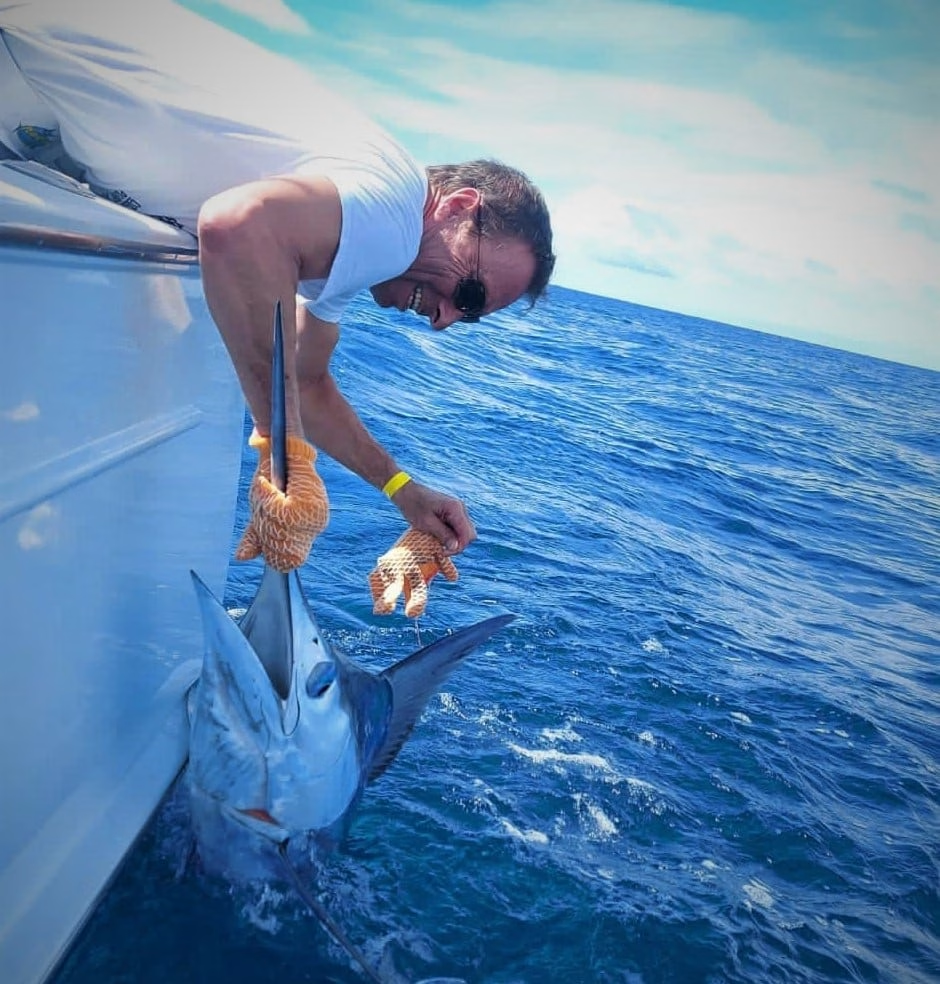
Offshore fishing (also called deep sea or bluewater) takes you 20 to 40 miles or more from the coast into deep, open water. Trips usually last a full day or longer, with a focus on big game species such as marlin, sailfish, yellowfin tuna, and mahi mahi.
Inshore fishing happens closer to land, typically within 5 to 15 miles of the coast, around reefs, islands, and river mouths. Half-day trips are common, and the action is steady for species like roosterfish, snapper, jacks, and snook.
Offshore Fishing in Costa Rica
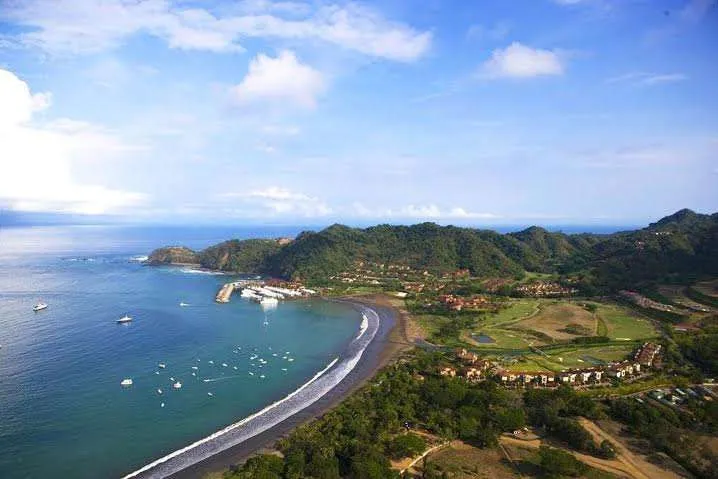
Offshore fishing from the Central Pacific coast, especially from Los Sueños, Jaco, and Quepos, ranks among the best in the world. The offshore shelf drops quickly, bringing deep water close to shore, so you are in the action fast.
What You Will Target
- Blue Marlin – Year-round, with peaks around June to October
- Black Marlin – Most common July to November
- Striped Marlin – Seen December to April
- Sailfish – Abundant from December to May
- Yellowfin Tuna – Caught all year, often near dolphins
- Mahi Mahi (Dorado) – Excellent action, May to October
- Wahoo – Sporadic but exciting around floating debris lines
Learn more in our guide to Offshore Fishing in Costa Rica.
What the Experience Is Like
A typical offshore trip leaves the marina at sunrise and runs 20 to 40 miles offshore. Once you find blue water or a floating structure, the crew sets out trolling lines or live bait. The excitement builds as teasers skip across the surface, and then a marlin or sailfish strikes.
For anglers who want more than a single day, consider Overnight Fishing Charters or long-range FAD Fishing in Costa Rica to the legendary seamounts.
Pros of Offshore Fishing
- Access to trophy pelagic species
- Big game excitement and IGFA-recognized releases
- Professional crews and high-end boats
- Ideal for experienced anglers or adventure seekers
Considerations
- Full day or multi-day time commitment
- Higher cost due to fuel and distance
- Seas can be rougher farther offshore
Inshore Fishing in Costa Rica
If you prefer steady action, scenic coastal backdrops, and lighter tackle, inshore fishing may be your perfect fit. Waters along Costa Rica’s Pacific coast, from Herradura Bay and Jaco Beach to the Nicoya Peninsula, are rich with reefs, rocks, and river mouths that create outstanding habitat.
What You Will Target
- Roosterfish – The signature inshore catch of Costa Rica
- Cubera Snapper – Powerful reef dwellers that strike hard
- Jack Crevalle – Aggressive fighters found year-round
- Mackerel and Barracuda – Fun and fast-paced action
- Snook – Often near river mouths and estuaries
- Amberjack and Grouper – Found near deeper reefs
Dive deeper on our page for Inshore Fishing in Costa Rica.
What the Experience Is Like
Most inshore charters depart early morning and stay within sight of land. You will cast lures or drift live bait near rocky points, reefs, and islands. The pace is relaxed, and the scenery is stunning.
Pros of Inshore Fishing
- Shorter travel time and more fishing time
- Calm waters suitable for families and beginners
- Excellent year-round action
- Lower cost compared to offshore trips
Considerations
- Smaller average fish sizes than offshore
- Limited access to bluewater species like marlin or sailfish
Choosing Between Offshore and Inshore
Both types of fishing offer unforgettable experiences. Use the table below to match your goals.
| Goal | Best Option | Why |
|---|---|---|
| Chase marlin, sailfish, or tuna | Offshore | Access to pelagic fish and trophy potential |
| Constant action and lighter tackle | Inshore | More bites, less travel time |
| Multi-day FAD or overnight options | Inshore | Calm seas and shorter duration |
| Photograph dramatic fights and releases | Offshore | Marlin and sailfish provide epic shots |
| Combine fishing with beach or surf trip | Inshore | Combine fishing with a beach or surf trip |
| Once in a lifetime adventure | Offshore | Easy half-day options |
When to Go: Offshore vs. Inshore Seasons
The good news is that fishing is excellent year-round in Costa Rica. Each fishery has seasonal highlights. See our Costa Rica Fishing Calendar for month-by-month patterns.
Offshore Highlights
- December to April: peak sailfish season with calm seas
- May to October: prime marlin months, tuna, and dorado are also abundant
- November: transition period with a mixed bite
Inshore Highlights
- Year-round: roosterfish, snapper, jacks, and mackerel
- May to November: green season brings baitfish and cooler water
- December to April: calmer seas and clear water for sight casting
Combo Charters: The Best of Both Worlds
Many anglers choose combo charters. Start inshore at sunrise for roosterfish and snapper, then push 15 to 20 miles offshore for dorado or tuna. Ask our team at Costa Rica Fishing Charters to customize a day for your group.
Gear, Boats, and Crew
- Boats: Offshore vessels are typically 30 to 60 feet with cabins and outriggers. Inshore boats are 25 to 32 feet center consoles with shade and live wells.
- Crew: Licensed, bilingual captains and skilled mates handle gear, teasers, and baiting. Learn more in The Role of the Mate and Captain on Your Charter.
- Equipment: Charters include rods, reels, bait, lures, safety gear, ice, and refreshments.
Responsible Fishing and Conservation
Costa Rica is a global leader in catch-and-release sportfishing. All billfish must be released alive, and crews use circle hooks to prevent injury. Read more in Catch and Release: How Costa Rica Leads the Way in Sustainable Sportfishing.
Planning Your Charter
- Group size: Inshore boats usually carry up to 4 guests. Offshore yachts handle 6 to 10 comfortably.
- Budget: Inshore trips generally cost less. Offshore charters reflect higher fuel and distance.
- Duration: Half day for inshore. Full day for offshore.
- Experience level: Beginners often start inshore. Experienced anglers go offshore.
- Location: From Jaco, Herradura, and Los Sueños, you can access both easily.
Tips for First-Time Anglers
- Wear polarized sunglasses to spot fish and reduce glare
- Hydrate throughout the trip and use reef-safe sunscreen
- Listen to your captain and mate
- Bring a good camera to catch photos and wildlife
Which Trip Is Right for You?
If you dream of marlin, sailfish, or big tuna, choose offshore. If you want constant bites, calmer seas, and coastal scenery, choose inshore. If you cannot decide, do both. Costa Rica’s proximity to deep water and coastline means you can experience everything in one visit.