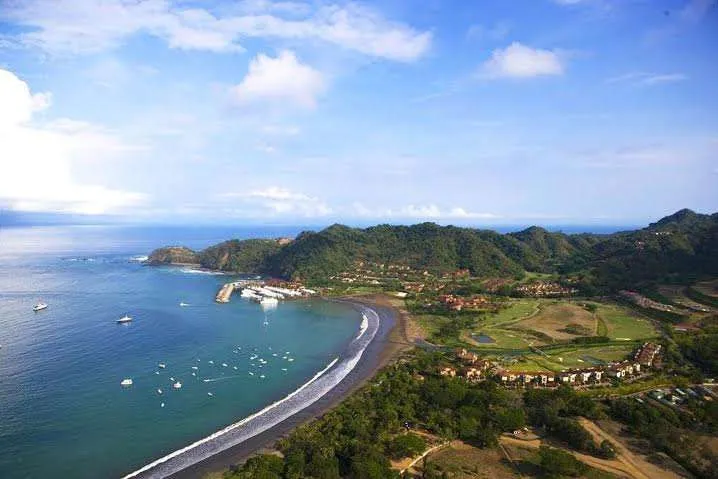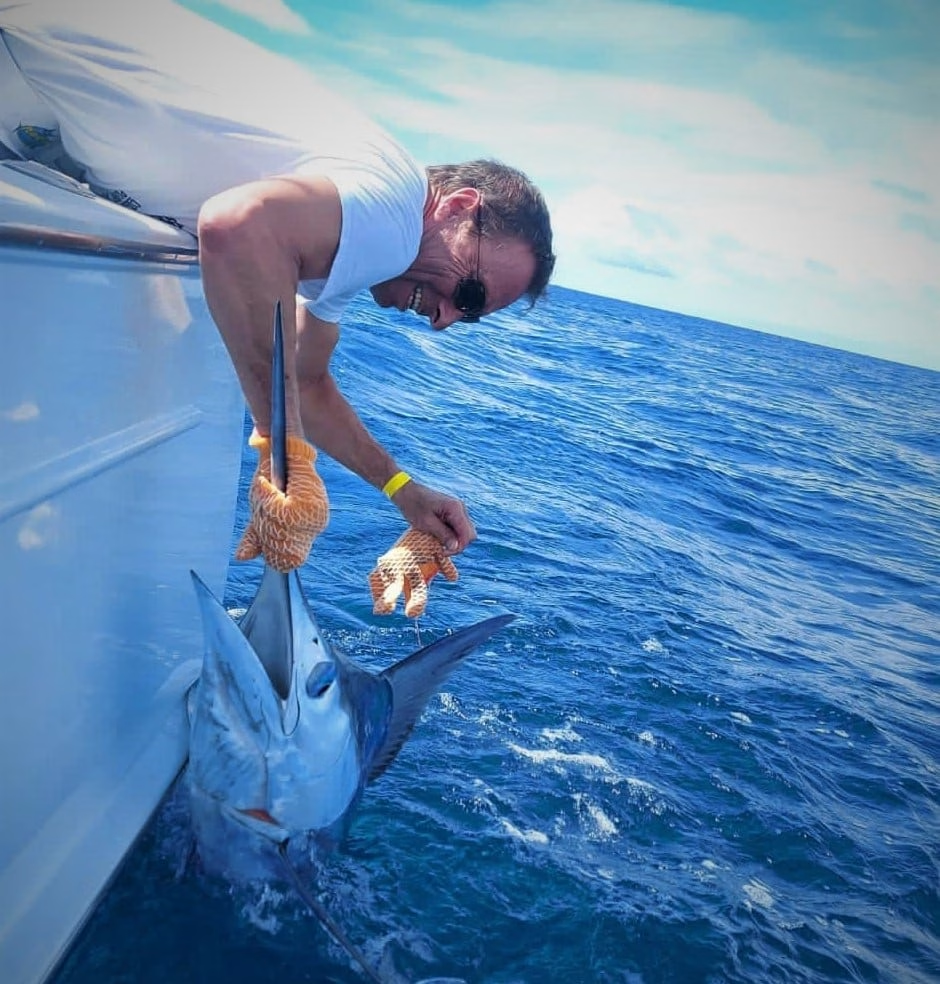
Fighting big game fish in Costa Rica is one of the most thrilling experiences an angler can have. The Pacific waters outside Jaco, Los Sueños, and Quepos deliver some of the strongest, fastest, and most acrobatic gamefish anywhere in the world. But landing these giants takes more than luck. You need the right technique, the right stance, and smart teamwork with your captain and crew.
This guide breaks down how to properly fight marlin, yellowfin tuna, and sailfish, three of the most iconic species you’ll encounter offshore in Costa Rica.

Understanding the Fight Before It Starts
Before any line screams off the reel, every angler should be prepared with:
1. Proper Stance
- Knees bent
- Weight centered
- Back straight
- Rod angled just above the waist
A strong stance prevents wasted energy and lets you respond instantly to sudden runs or jumps.
2. Controlled Drag Settings
Most captains set the drag, but anglers should understand:
- Light drag during the initial strike
- Increase gradually as the fish settles
- Never go straight to heavy drag—big fish will snap lines quickly
3. Smooth, Steady Pressure
Big game fish win fights when anglers pump wildly or reel too fast. Smooth pressure always beats brute force.
How to Fight a Marlin
Marlin is the ultimate test of technique. They are fast, explosive, and capable of long runs and huge jumps.
1. The Hookup
When a marlin strikes:
- Let the drag do the work
- Keep the rod tip pointed slightly down
- Avoid jerking the rod; circle hooks set themselves
2. Stay Calm During the Jumps
Marlin often greyhound across the surface, trying to throw the hook.
- Lower the rod tip during jumps
- Keep tension steady
- Reel quickly when the fish charges the boat
3. Use the “Lift and Reel” Method
Once the marlin settles into a deep run:
- Lift the rod slowly to gain line
- Lower it while reeling
- Let the rod’s backbone, not your arms, fight the fish
4. Work With the Captain
Boat handling is everything with Marlin.
- Expect the captain to chase during long runs
- Keep your eyes on the line angle
- Always move with the fish, don’t stay planted
This teamwork shortens the fight and protects the fish during release.
How to Fight a Yellowfin Tuna
Yellowfin tuna fight completely differently from billfish. These fish pull straight down and use pure power.
1. Prepare for the Vertical Battle
Tuna rarely jump. Instead, they dive deep and hold.
Key Techniques:
- Stay patient
- Keep your back straight
- Use the rod belt and harness correctly
2. The Tuna Spiral (“Death Circle”)
As the tuna tire, they begin circling straight down.
To gain line:
- Match the fish’s rotation
- Reel as the rod drops
- Lift with controlled pressure
Never pump too hard, tunapull with surprising bursts even late in the fight.
3. Manage Heat and Fatigue
Long tuna battles are common, especially with 80–200 lb fish.
Angler tips:
- Stay hydrated
- Switch out anglers if needed
- Trust the crew, they know when to increase drag or boat pressure
Landing a trophy yellowfin feels like lifting pure muscle, and few fights in Costa Rica are more rewarding.
How to Fight a Sailfish
Sailfish are Costa Rica’s most acrobatic species. They are fast, flashy, and love to jump repeatedly.
1. The Initial Run
Once a sailfish grabs the bait:
- Keep the rod high
- Maintain steady pressure
- Reel quickly when the fish comes toward you
Circle hooks do the work; no need to “set” the hook.
2. Control the Jumps
Sailfish will dance and flip across the surface.
To avoid losing them:
- Lower the rod tip on each jump
- Keep tension at all times
- Follow the fish’s direction
3. Use Light, Steady Pressure
Sailfish fights are usually shorter than marlin or tuna battles.
Best strategies:
- Keep your arms relaxed
- Let the drag tire the fish
- Avoid sudden jerking movements
Their soft mouths can tear if pressure is inconsistent.
Common Mistakes to Avoid
Even experienced anglers make these errors:
1. High Rod Angles
Lifting above 60 degrees can:
- Snap rods
- Break lines
- Reduce leverage
2. Jerking the Rod During the Fight
Smooth, steady pressure is always more effective.
3. Forgetting to Reel Down
Gaining line requires:
- Lift… reel down… repeat
Beginners often lift but forget to reel while lowering.
4. Not Communicating With the Crew
A good captain can see what you cannot:
- Line angle
- Fish movement
- Boat positioning
Let them guide you; teamwork lands big fish.
When to Increase Drag
Increasing drag is key, but it must be done carefully.
Increase drag when:
- The fish is deep and no longer running
- You’ve entered a long stalemate
- The captain asks for more pressure
Never increase drag when:
- The fish is jumping
- The line angle is sharp
- The spool is low
Drag changes should always be gradual and controlled.
The Final Moments of the Fight
Whether it’s marlin, tuna, or sailfish, the endgame is delicate.
Watch for sudden bursts
Fish often make one last run at the boat.
Listen to the mate
They may take the leader or call for you to ease off the pressure.
Prepare for Release or Harvest
- Billfish are always catch-and-release
- Tuna and mahi are often kept for eating
The crew will handle the final steps safely.

Final Thoughts: Fighting Big Game Fish the Right Way
Costa Rica’s Pacific coast offers world-class action for marlin, yellowfin tuna, and sailfish. Mastering the fight makes the experience even more thrilling, and it helps ensure a clean, safe release for billfish and a sustainable harvest for tuna.
Whether you’re fishing out of Los Sueños, Jaco, Quepos, or anywhere along the Central Pacific, these techniques will help you land more fish and enjoy every second of the battle.