Costa Rica Fishing – North Pacific Coast: Tamarindo, Flamingo & Guanamar/Carrillo
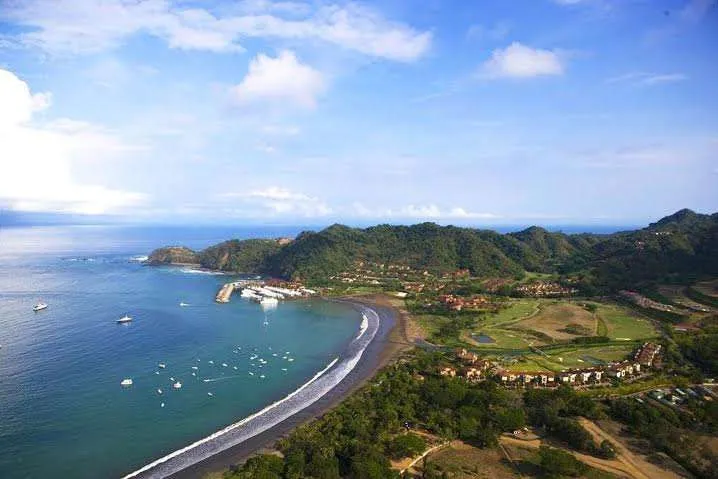
The North Pacific coast of Costa Rica is a paradise for anglers, with Tamarindo and Flamingo standing out as the main hubs for world-class sportfishing. These vibrant fishing towns host fleets of well-equipped boats captained by seasoned locals and American pros. Additional charters operate from nearby Coco Beach, Ocotal, Potrero, and Brasilito, giving travelers plenty of options.
Further south, Nosara, Garza, Guanamar, and Carrillo provide more sheltered waters, especially during the windy months of late December through March and April. For this reason, many Flamingo captains move their operations to Guanamar/Carrillo during that season to ensure the best fishing conditions. Guests staying in the Gulf of Papagayo, including those at the Four Seasons, can also connect with outstanding boats and captains who travel north from Flamingo.
Target Species in the North Pacific
Marlin
Marlin fishing is productive year-round, with peak action from mid-November to early March. After a brief slowdown from April into early June, the bite returns strong, reaching another high point in August and September.
Sailfish
Sailfish are also present throughout the year. The prime season runs from May through August, though the bite begins tapering off in September. The quietest months are typically late August through November.
Roosterfish
One of Costa Rica’s signature inshore species, roosterfish are available all year long. They are especially plentiful in the Bay of Papagayo from November through March, thriving around rocky shorelines and island structures in depths of 50 to 60 feet.
Dorado (Mahi-Mahi)
These colorful gamefish thrive when the rainy season begins, from late May through October. Freshwater runoff pushes debris and logs into the ocean, forming natural weed lines that dorado patrol. Trolling past floating debris almost guarantees fast action.
Tuna
Yellowfin and big-eye tuna are caught year-round, but the most consistent months run from August through October. Smaller schools of 12- to 20-pound tuna are common offshore, while larger schools of 40 to 60 pounds roam closer to the Catalina Islands—only 30 minutes from the beach. Every year, anglers also land giants weighing 200 to 400 pounds.
Wahoo
This lightning-fast species makes its first appearance in mid-May as the rains arrive. July and August are the peak months, with most wahoo taken around rocky points and islands. On occasion, they’re also hooked offshore while targeting other pelagics.