Costa Rica’s reputation as one of the world’s top sportfishing destinations isn’t just about the abundance of marlin, sailfish, or roosterfish. It’s also about the country’s commitment to protecting those same waters for future generations. From strict catch-and-release policies to innovative Fish Aggregating Device (FAD) management, Costa Rica has become a model for eco-fishing and sustainable tourism.
At Fish Costa Rica, we believe that conservation and world-class fishing go hand-in-hand. Every charter we promote, whether offshore or inshore, follows responsible practices that respect the ocean’s delicate balance. In this guide, we’ll explain how eco-fishing works, what makes Costa Rica a leader in sustainability, and how our captains help preserve marine life while delivering unforgettable experiences.
Learn more about sustainable practices, seasons, and techniques through our featured guides for Offshore Fishing in Costa Rica and Inshore Fishing in Costa Rica.

What Eco-Fishing Means in Costa Rica
Eco-fishing isn’t a marketing slogan; it’s a commitment to fish responsibly and minimize impact on marine ecosystems. Costa Rica’s professional captains and charter operators are required by law to practice catch-and-release for billfish, use circle hooks instead of J-hooks, and comply with INCOPESCA (Costa Rica’s Fisheries Institute) regulations.
Eco-fishing focuses on three core principles:
- Conservation: Protecting key species like sailfish, marlin, and roosterfish through catch-and-release and habitat protection.
- Sustainability: Ensuring fishing practices are balanced with ecosystem health and local economic benefits.
- Education: Teaching visitors about Costa Rica’s marine biodiversity, laws, and ethical angling techniques.

Catch-and-Release: Protecting Billfish Populations
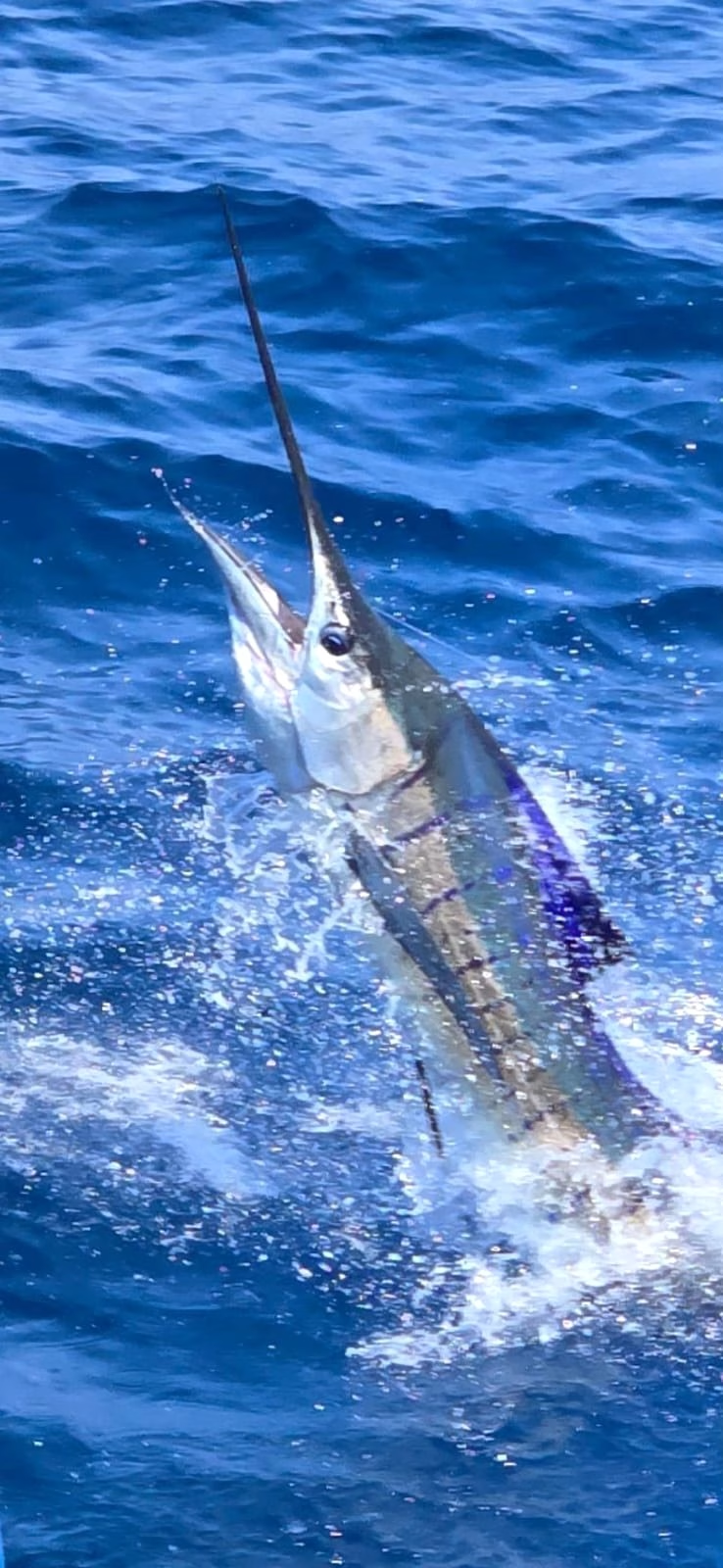
Decades ago, Costa Rica’s offshore fishing industry recognized that marlin and sailfish populations were finite resources. By voluntarily shifting to a 100% catch-and-release policy for billfish, captains helped transform the country into a global conservation model. Today, the vast majority of charter boats release every marlin and sailfish they catch, ensuring these apex predators remain abundant for generations to come.
The process is simple but vital: use heavy tackle to shorten the fight, minimize time out of the water, and remove hooks carefully. Circle hooks are mandatory because they hook fish in the corner of the mouth, reducing injury. Many of our partner captains even tag billfish for research programs supported by the Billfish Foundation and IGFA.
To experience the thrill of releasing a sailfish or marlin firsthand, explore our premium Los Sueños Fishing Charters and see why anglers from around the world call this the sportfishing capital of the Pacific.
FAD Fishing – Responsible Offshore Innovation
One of the biggest innovations in Costa Rican sportfishing is the development of FAD (Fish Aggregating Device) fishing. FADs are anchored structures placed far offshore that attract baitfish, which in turn attract marlin and other pelagics. They provide consistent, sustainable action for offshore anglers when managed correctly.
Unlike free-floating debris or illegal fish-aggregating practices elsewhere, Costa Rica’s FAD system is monitored and registered with INCOPESCA. Captains follow strict guidelines on placement, materials, and retrieval to reduce ocean litter and ensure ecological balance. The result? Multi-marlin days and incredible catch-and-release statistics without harming the environment.
Learn more about how these devices revolutionized blue-water fishing in our feature on FAD Fishing in Costa Rica.

Inshore Conservation: Protecting the Coastline
While offshore billfish receive much of the attention, Costa Rica’s inshore habitats are equally critical. Mangroves, estuaries, and river mouths are nurseries for baitfish and juvenile snappers, jacks, and snook. That’s why our inshore charters follow eco-friendly practices designed to protect these shallow-water ecosystems.
Responsible captains avoid excessive boat traffic in sensitive estuaries, use barbless hooks when possible, and limit their catch of smaller table fish like snapper or corvina. Many also participate in mangrove restoration programs along the Central Pacific coast.
These principles are central to our Inshore Fishing Costa Rica trips, which focus on light-tackle action for roosterfish, cubera snapper, and snook while maintaining respect for local habitats.
Snook and Roosterfish – Icons of Inshore Sustainability
Two of Costa Rica’s most prized inshore species, snook and roosterfish, symbolize the success of sustainable fishing. Snook, known locally as “robalo,” thrive near river mouths and mangroves, where responsible catch limits and size regulations keep populations stable. Roosterfish, meanwhile, are strictly catch-and-release, ensuring future anglers can enjoy the same excitement of seeing those iconic fins slice through the surf.
Modern anglers understand that releasing a trophy fish alive is more rewarding than keeping it. Photos are quick, hooks are de-barbed, and fish are revived before swimming off strong. Learn more about the thrill and ethics of these species through Snook Sport Fishing in Costa Rica.
Reducing Plastic and Fuel Impact
Conservation goes beyond how we fish; it’s about how we operate. Many Costa Rican charters have embraced “green boating” practices to reduce their footprint, including:
- Use reusable water bottles instead of plastic.
- Recycling line, hooks, and packaging.
- Running efficient four-stroke engines that use less fuel and emit fewer pollutants.
- Training crews in spill prevention and waste management.
Eco-friendly operations not only protect marine life but also appeal to today’s responsible travelers who want their vacation to align with their values. These practices are now a standard among many professional charters based in Los Sueños, Quepos, and Golfito.
Government Support and International Recognition
Costa Rica’s government has long supported sustainable fisheries through INCOPESCA and its alliance with global organizations such as the FAO and IGFA. Regulations enforce gear standards, seasonal closures for certain species, and a licensing system that funds marine conservation.
Anglers are required to obtain a recreational fishing license, an easy, affordable step that directly supports the country’s research and enforcement programs. You can learn more about when and where to fish responsibly by checking our seasonal insights in Fishing in Costa Rica by Month.
How Our Captains Lead by Example
The best sustainability efforts start at sea. Our partner captains and mates are conservationists at heart. They’ve grown up on these waters, and their livelihoods depend on keeping the fishery healthy. Here are some of the ways they lead by example:
- Releasing all billfish, roosterfish, and large snook alive.
- Using circle hooks exclusively on live bait.
- Recording tag-and-release data for ongoing research.
- Participating in annual coastal cleanup and habitat restoration efforts.
- Educating guests about species identification and responsible handling.
Many of these captains also train younger local fishermen in conservation techniques, helping sustain not only the fishery but also the communities that rely on it. This shared stewardship has made Costa Rica’s sportfishing industry one of the most sustainable in the world.
Balancing Tourism and Marine Health
Sportfishing contributes millions annually to Costa Rica’s tourism economy, supporting hotels, restaurants, marinas, and local suppliers. The challenge is to balance economic growth with ecological responsibility. Sustainable charters do this by adhering to quotas, avoiding over-fishing near sensitive areas, and releasing high-value gamefish unharmed.
The focus is on quality, not quantity, giving anglers a premium experience while keeping the fishery thriving. By booking with professional operators who follow conservation protocols, visitors directly support long-term sustainability.

Educational Outreach and Community Projects
Eco-fishing doesn’t stop at the dock. Many Costa Rican marinas and fishing clubs support community programs that teach local youth about marine science, conservation, and responsible angling. Initiatives like Kids Catch & Release Days in Los Sueños and Coastal Awareness Campaigns in Quepos encourage a new generation of environmentally conscious anglers.
Several captains also partner with NGOs to remove ghost nets and plastic waste from the ocean. The result is a culture of stewardship that extends from the fishing fleet to the local towns, a model many countries are now emulating.
Eco-Fishing for Visitors – How You Can Help
As an angler or visitor, you play a vital role in Costa Rica’s sustainable fishing future. Here are some simple ways you can help protect the waters you fish:
- Always release billfish, roosterfish, and big snook alive.
- Follow your captain’s instructions on proper handling and photo time.
- Support licensed charters that comply with conservation regulations.
- Never discard plastic, line, or trash overboard.
- Use reef-safe sunscreen to protect coral and marine life.
Every small action adds up and ensures Costa Rica remains the standard for sustainable sportfishing worldwide.
Our Promise to Future Anglers
Fish Costa Rica is proud to work only with captains and crews who share our vision of responsible angling. From Los Sueños to Golfito, every charter we recommend is committed to ethical practices, modern conservation techniques, and respect for nature. We believe that protecting the ocean isn’t just good for the environment, it’s good for fishing, for tourism, and for the generations yet to come.
When you book an eco-friendly charter, you’re investing in more than a great day on the water; you’re investing in Costa Rica’s sustainable future.
Plan Your Eco-Fishing Adventure
Join us in supporting Costa Rica’s legacy of responsible sportfishing. Whether you want to cast for snook in the mangroves, release marlin offshore, or explore a FAD trip with certified conservation crews, our team will guide you to the best sustainable options available.
Start with our expert guides:
- FAD Fishing in Costa Rica
- Offshore Fishing Costa Rica
- Inshore Fishing Costa Rica
- Snook Sport Fishing Costa Rica
- Los Sueños Fishing Charters
Together, we can keep Costa Rica’s waters healthy, vibrant, and teeming with life, so that the next fish you release becomes a memory that lasts forever.