Fish Costa Rica • Trusted Sportfishing Experts Since 1990
Target one of Costa Rica’s most colorful, acrobatic and delicious offshore gamefish. Dorado, also known as Mahi-Mahi, can be caught along the Pacific coast throughout the year, with the most consistent action commonly developing during the green season.
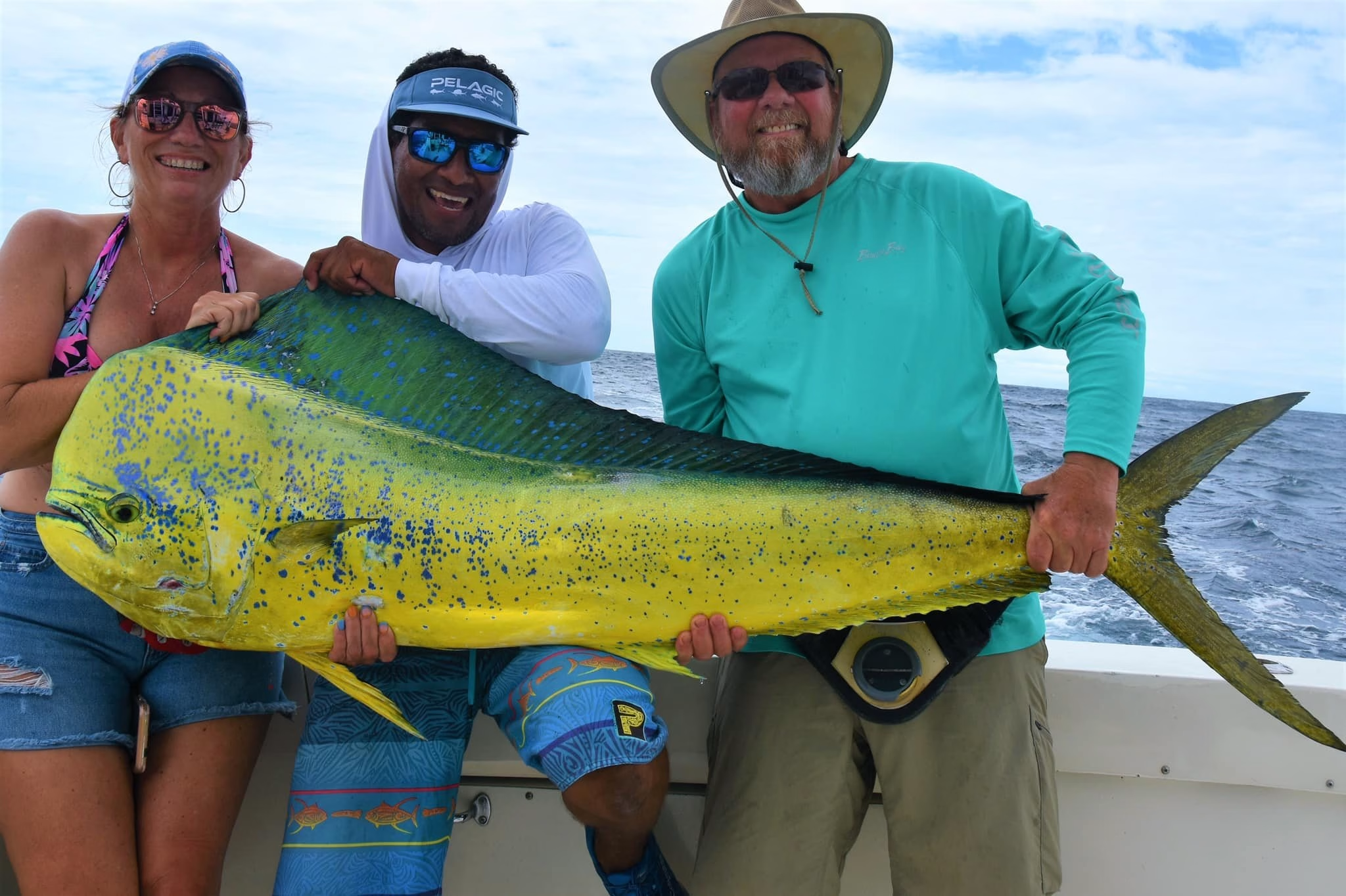
Dorado are among the most recognizable fish in tropical offshore waters. Their bright greens, blues and golds can change dramatically when they are excited, and once hooked they are known for high jumps, fast runs and energetic fights.
The current Fish Costa Rica guide notes that many fish encountered are in the 15–25 pound range, while fish from roughly 40–70 pounds are not uncommon. Dorado can grow extremely quickly and larger specimens can approach 80 pounds.
Dorado can be encountered throughout the year along Costa Rica’s Pacific coast, but the current guide highlights the green season from May through November as the most consistent period.
Rainfall sends logs, branches, reeds and other floating material out of river mouths. That debris creates offshore structure that can hold baitfish and attract Dorado.

Dorado move with currents and floating structure, so they can appear along the entire Pacific coast rather than belonging to only one marina.
Excellent access to offshore current lines, river runoff and mixed sailfish, marlin, tuna and Dorado trips.
Explore Jacó Fishing →A strong option for Mahi-Mahi alongside sailfish, tuna and other offshore species from Marina Pez Vela.
Explore Quepos Fishing →Remote South Pacific water with strong offshore variety, especially during productive green-season conditions.
Explore Golfito Fishing →North Pacific charters can encounter Dorado during mixed offshore trips for marlin, sailfish and tuna.
Explore Flamingo Fishing →Convenient for travelers staying around Tamarindo and Langosta who want a private offshore fishing day.
Explore Tamarindo Fishing →A useful departure region for guests staying at the larger Gulf of Papagayo resorts.
Explore Papagayo Fishing →All images currently used on the live Dorado page are retained in this gallery and throughout the redesign.
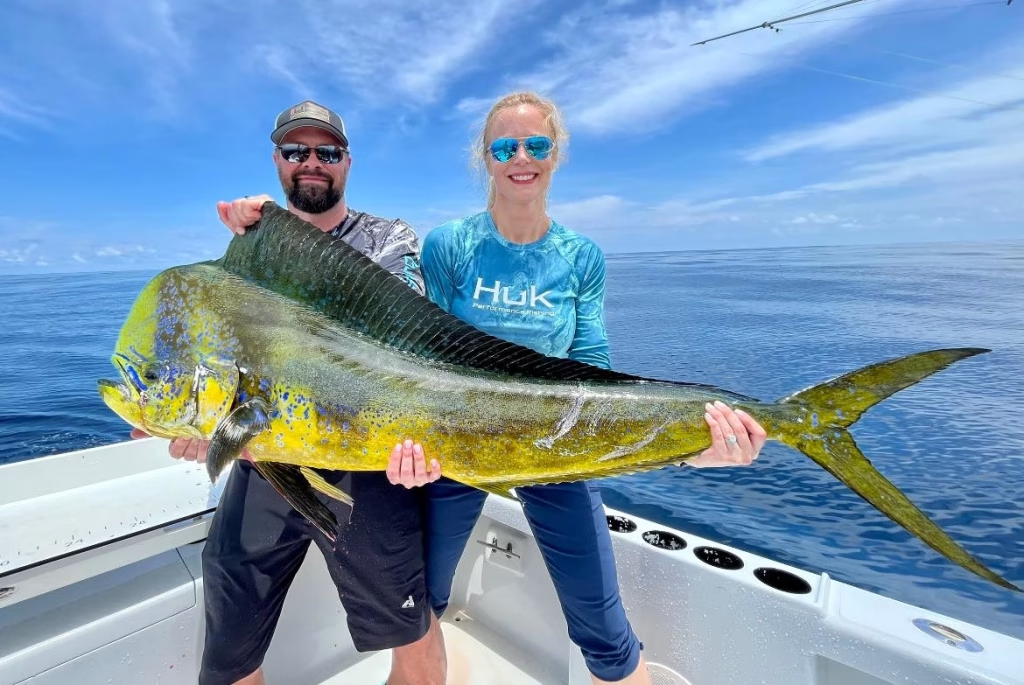
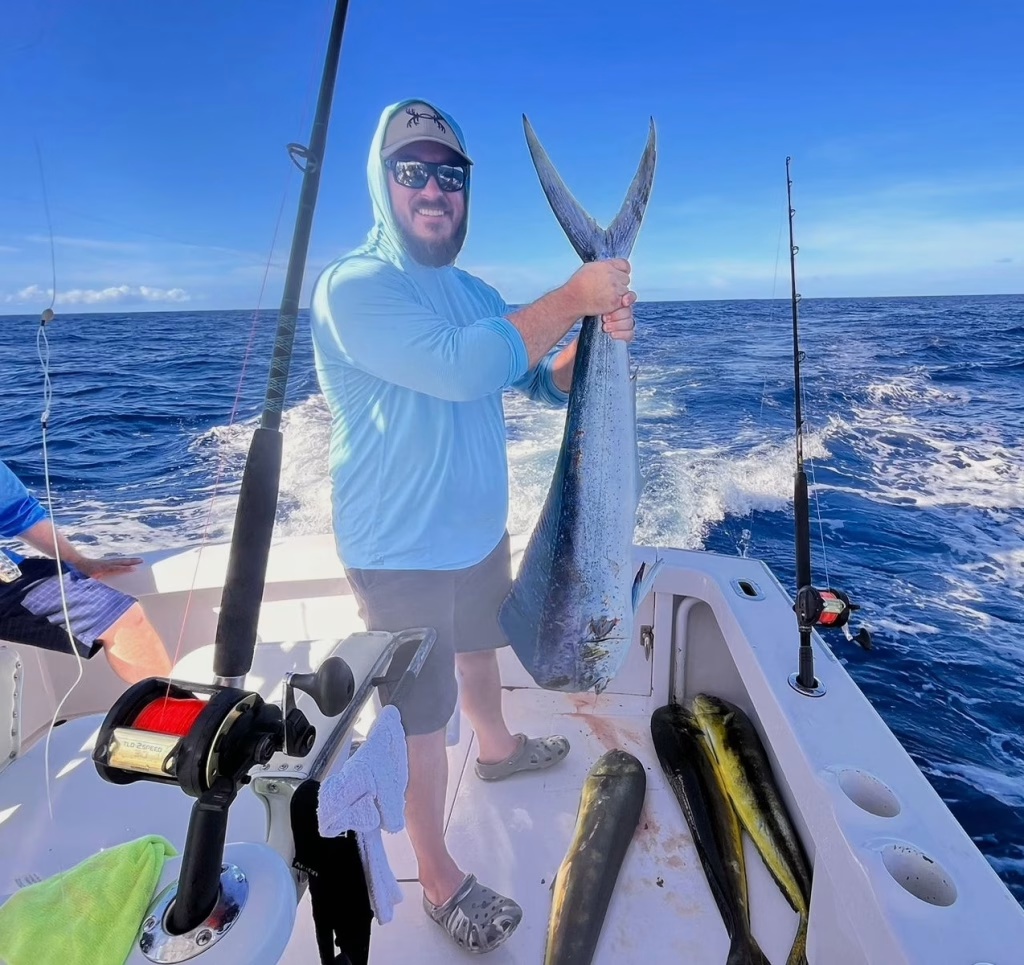
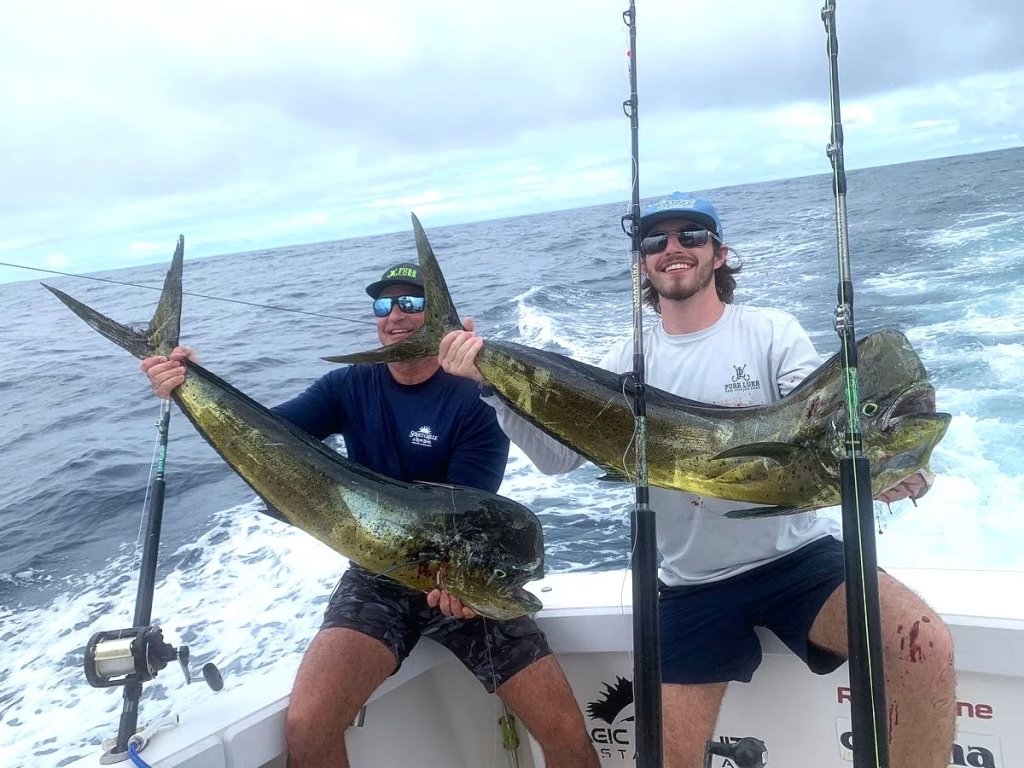
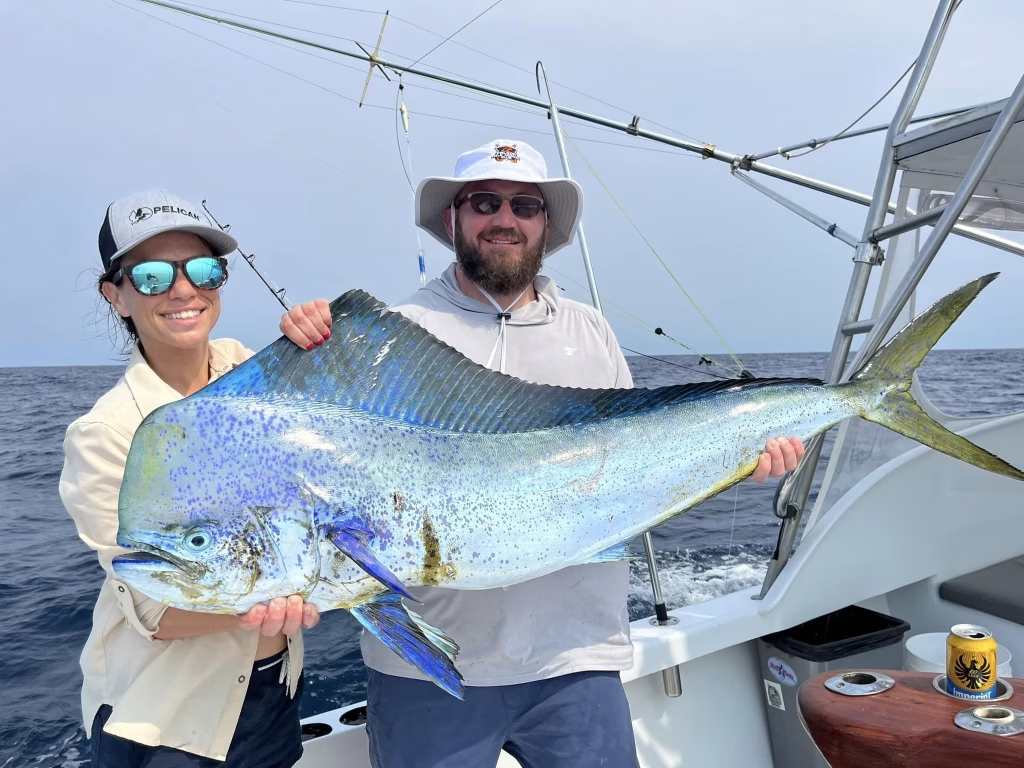
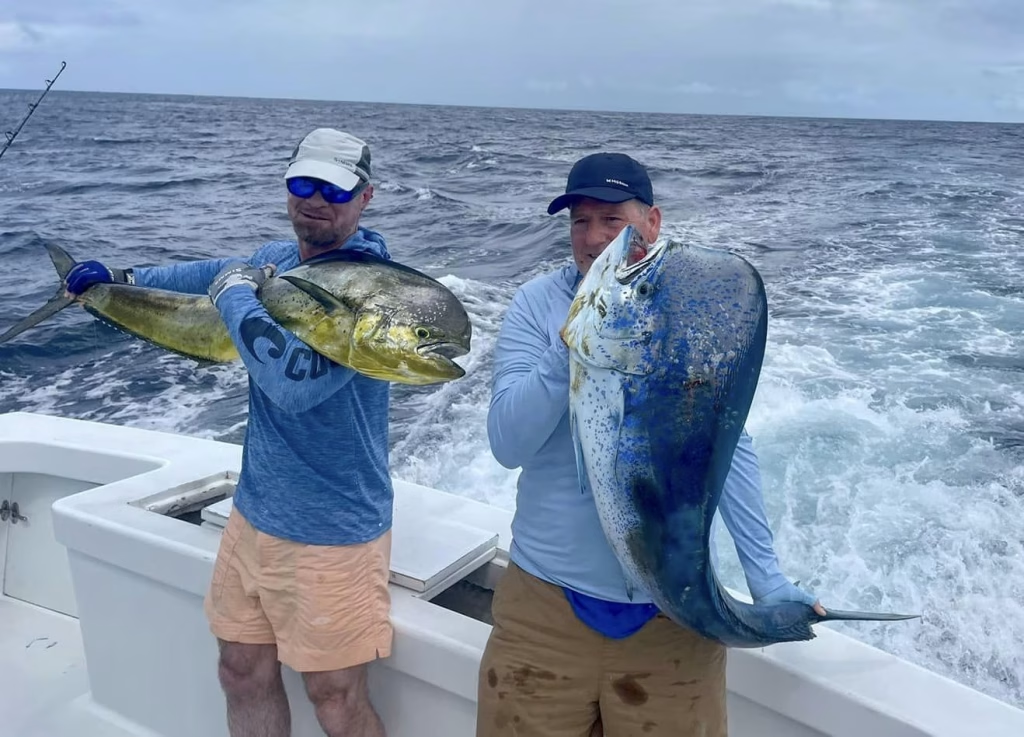
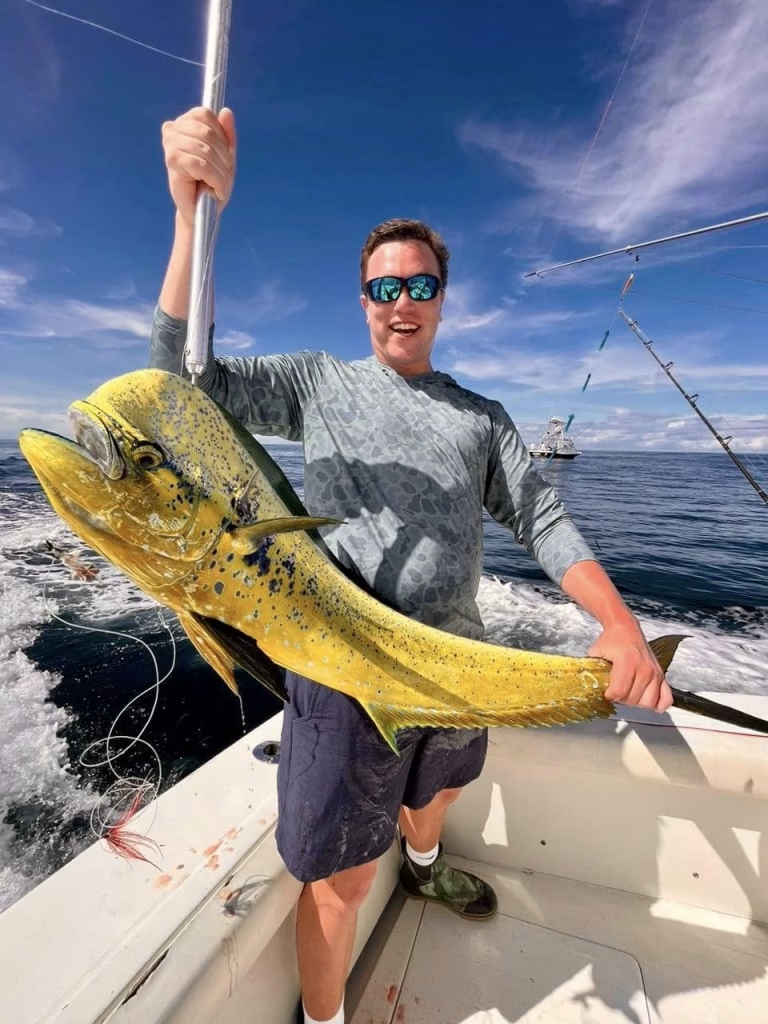
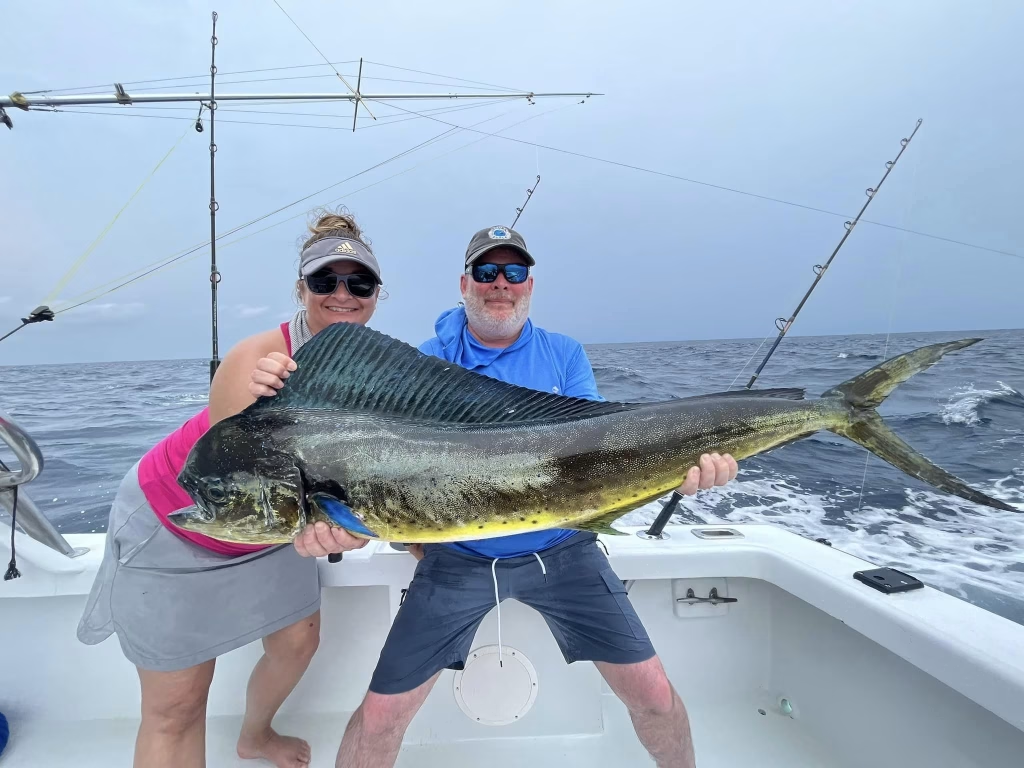
Dorado often gather beneath floating objects because logs, weed lines, reeds and other debris can hold small fish and other food. Experienced crews constantly scan the water while offshore.
When a productive log or debris line is found, the fishing can change quickly. Schools may remain near the structure, allowing anglers to hook multiple fish in a short period.
Dorado frequently strike conventional offshore spreads, but crews can adjust tackle and presentations when Mahi-Mahi become the main target.
Many Dorado are caught using the same rigged baits used while searching for billfish.
Bright offshore lures can trigger aggressive Dorado around productive water.
When fish are concentrated near structure, live bait can create exciting visual strikes.
Downsizing tackle can make the jumps and fast runs of Dorado even more enjoyable.
Dorado are prized not just for their fight but also for their firm, mild meat. That makes a Dorado bite particularly exciting for anglers who would like to enjoy part of their catch after the trip.
The existing page describes Dorado as a highly sought-after seafood fish and highlights the combination of acrobatic sportfishing and excellent table quality as one of the species’ biggest attractions.
Explore Costa Rica Offshore FishingDorado can sometimes be found surprisingly close, but a full day gives the captain more freedom to search current lines, floating structure and recent offshore reports.
Can work when productive debris or fish are already nearby, or when your group wants a shorter fishing experience.
Ask About Shorter TripsUsually the better option when Dorado are an important target because the crew has more time to search productive water and combine Mahi-Mahi with sailfish, tuna or marlin opportunities.
Check Full-Day OptionsSend your travel dates, hotel or vacation rental, group size and whether Dorado are your primary target or simply one of several offshore species you would like to catch.
We’ll help match your location and dates with an appropriate Costa Rica fishing destination and charter.
Yes. Dorado and Mahi-Mahi are common names for the same species, also called dolphinfish.
Yes. The current Fish Costa Rica guide says Dorado can be caught throughout the year along the Pacific coast.
The existing guide highlights the green season from May through November as the most consistent period, when rainfall sends more floating debris into the ocean.
The live guide says many catches are in the 15–25 pound range, with 40–70 pound fish not uncommon and larger fish possible.
Captains often find them near floating logs, weed lines, reeds, current edges and other structure that concentrates bait.
Yes. Dorado are widely valued as a food fish for their mild, firm meat.
Not always, but a full day gives the captain more time to locate productive offshore water, floating structure and current lines.
Depending on the region and season, offshore trips can also encounter sailfish, marlin, Yellowfin Tuna and other pelagic species.
Tell us when you’re visiting, where you’re staying and how many people are fishing. We’ll help you find the right Costa Rica charter for Mahi-Mahi and the best offshore action available during your dates.