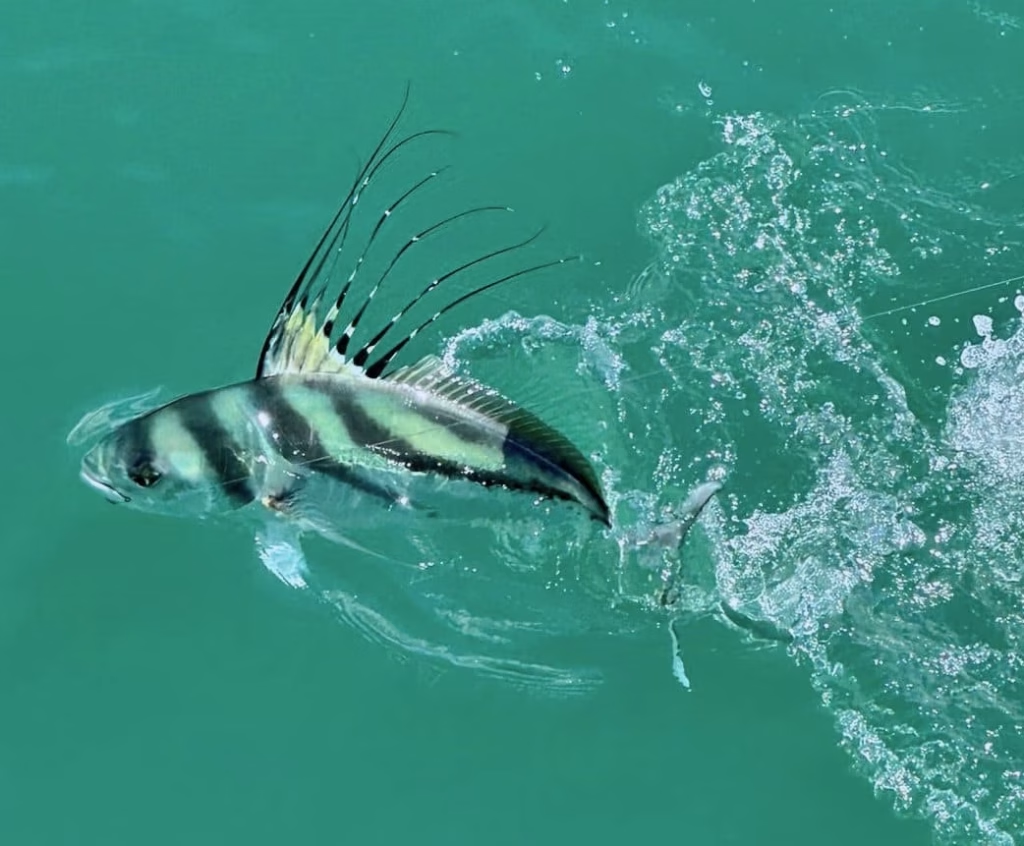
In Costa Rica, the ocean is more than a playground for anglers; it’s a living ecosystem that sustains coastal communities, tourism, and a national way of life. Conservation is not a slogan here; it’s the reason our waters remain full of life. From sailfish leaping offshore Los Sueños to roosterfish prowling the reefs of Jaco, every catch tells a story of balance between adventure and respect for the sea.
Why Conservation Matters for Sportfishing
Costa Rica’s Pacific coast is one of the most productive fishing regions on Earth. Each year, anglers travel from around the world to experience the thrill of catching marlin, sailfish, mahi-mahi, tuna, roosterfish, and snapper. But these opportunities only exist because Costa Rica made a national commitment to protect its fisheries through science, education, and responsible tourism.
Conservation ensures that fishing today does not compromise tomorrow. By practicing catch and release, supporting scientific tagging programs, and obeying local regulations, anglers help preserve the very species that make Costa Rica a world-class destination for sportfishing. The success of our charters, our tourism economy, and our coastal ecosystems is all tied to the same principle: healthy oceans mean better fishing for everyone.

The Legal Foundation of Conservation
All fishing activity in Costa Rica is regulated by the Fisheries and Aquaculture Law (Law No. 8436). This law defines how marine resources are managed, establishes responsible fishing zones, and ensures that both commercial and recreational sectors follow sustainable practices. The government agency responsible for enforcing these rules is INCOPESCA, the Costa Rican Institute of Fisheries and Aquaculture.
Under Law 8436, all anglers aboard a fishing vessel must carry a valid INCOPESCA sportfishing license. The license fees fund research, data collection, and coastal management programs that directly benefit conservation efforts. Beyond licensing, INCOPESCA’s board issues specific rules that protect vulnerable species, most notably Costa Rica’s iconic billfish.
Billfish Protection
In 2008, Costa Rica became one of the first countries in the world to prohibit the killing or commercial export of sailfish and marlin. Since then, all billfish have been designated as catch-and-release-only species. Captains are required by law to release them alive and to avoid removing them from the water. This regulation ensures that these highly migratory fish continue to reproduce and migrate throughout the Pacific, benefiting anglers and ecosystems across Central America.
Tuna Reform
In 2022, Costa Rica implemented a landmark tuna reform that pushed foreign industrial purse seine vessels farther offshore, at least 80 nautical miles from the coast. This move reduced the bycatch of marlin, sailfish, dorado, and other pelagic species while opening nearshore waters for local and sportfishing fleets. The reform was a major victory for sustainable fishing, proving that policy and science can work together for long-term gains.
FECOP and MarViva: Leading the Way
Two of the most important conservation organizations in Costa Rica are FECOP (Federación Costarricense de Pesca) and the MarViva Foundation. Together, they bridge the gap between science, government, and the fishing community.
FECOP – The Federation for Responsible Fishing
FECOP is a non-profit organization that works to protect Costa Rica’s fisheries for future generations. They have been instrumental in several national conservation milestones, including the ban on sailfish export, the 80-mile tuna reform, and the introduction of circle-hook programs for billfish. FECOP also funds tagging projects with scientists to track marlin and sailfish migrations, helping determine where and how these species travel through the Pacific Ocean.
One of FECOP’s most significant findings is the economic value of live billfish. Studies show that a single marlin released alive contributes over $3,000 USD to the Costa Rican economy through tourism and charter activity, far more than its value as a harvested fish. This economic reality reinforces why catch and release is both environmentally and financially beneficial.
MarViva – Guardians of the Marine Habitat
MarViva focuses on marine governance and education. They are best known for publishing the Best Practices Guide for Tourist and Sport Fishing in Costa Rica, a detailed manual on responsible angling techniques. The guide covers everything from proper handling and hook types to minimizing fish stress and supporting community-based marine areas.
MarViva also conducts research on the Costa Rica Thermal Dome, a natural oceanic upwelling system that attracts plankton, baitfish, billfish, and tuna. This phenomenon, located off the Pacific coast, is one of the reasons Costa Rica’s waters are so rich in marine life. Protecting this area is vital for maintaining the country’s status as one of the world’s best places to fish sustainably.
The Science Behind Conservation
Recent marine studies have revealed that sailfish populations in Costa Rica’s Central and Southern Pacific have faced pressure from both commercial fishing and climate change. While the country has strong conservation laws, scientific monitoring is essential to measure real-world impacts. This is where tagging programs, genetic studies, and data collected by sportfishing charters play an important role.
FECOP’s DynaMAR project and collaborations with the International Game Fish Association (IGFA) have helped tag hundreds of sailfish and marlin. These tags transmit migration data to satellites, revealing where these fish travel, how deep they dive, and when they spawn. The findings guide regional policy decisions, ensuring that protective measures match the biology of the species.
Research has also confirmed that billfish survival rates after release can exceed 97% when proper gear and handling are used, further proof that responsible sportfishing can coexist with conservation.
Best Practices for Anglers and Captains
Every angler and captain in Costa Rica plays a role in protecting marine life. Whether you’re fishing offshore from Los Sueños or casting along the beaches of Playa Hermosa, these best practices ensure your impact stays positive:
- Use Circle Hooks: Mandatory for billfish when using natural bait. They prevent deep hooking and increase survival.
- Keep Fish in the Water: Never lift sailfish or marlin onto the deck. Take photos beside the boat with the fish supported and submerged.
- Fight Smart: Use a tackle strong enough to land the fish quickly, reducing exhaustion and stress.
- Revive Before Release: Hold the fish upright, move it slowly through the water to pass oxygen through its gills, and let it swim off under its own power.
- Cut the Line if Needed: If a hook can’t be removed safely, cut the leader close to the hook. It will corrode naturally over time.
- Educate Guests: Brief all anglers before lines are in. Explain why proper release matters for the fishery’s future.
These steps, now standard across Costa Rican marinas, are the backbone of ethical sportfishing. Every fish released alive is an investment in future fishing trips, tourism jobs, and the continued health of our ocean.
Conservation Zones and Marine Areas
Costa Rica manages several Marine Areas for Responsible Fishing (Áreas Marinas de Pesca Responsable – AMPR), including the Paquera–Tambor region near the Nicoya Peninsula. These areas are co-managed by INCOPESCA and local fishing communities. The goal is to balance small-scale artisanal fishing, sportfishing, and ecosystem protection.
AMPRs are complemented by Marine Protected Areas (MPAs), national parks, and biological reserves that safeguard coral reefs, mangroves, and turtle nesting sites. Together, these zones form a mosaic of protection across Costa Rica’s Pacific and Caribbean coasts.
However, enforcement remains an ongoing challenge. Illegal fishing and lack of funding can undermine these protections. That’s why partnerships between government, NGOs, and private operators like fishing charters are crucial. When tourism and science work hand in hand, conservation becomes practical and lasting.
Climate Change and Future Challenges
Climate variability, especially El Niño and rising ocean temperatures, affects fish distribution and productivity. Warmer waters can push billfish farther offshore or alter their migration timing. To adapt, Costa Rican researchers are working with global partners to study how climate shifts impact local fisheries and how to create more resilient management models.
Captains are also adjusting: tracking seasonal bait concentrations, adapting fishing grounds, and sharing observations with marine scientists. Each logbook entry from a charter boat becomes valuable data that helps understand long-term trends. The collaboration between fishermen and researchers is one of Costa Rica’s strongest assets in the fight against climate-driven challenges.
The Economic Value of Conservation
Conservation isn’t only good for the environment, it’s good business. According to FECOP studies, the sportfishing industry contributes over $500 million USD annually to Costa Rica’s economy and supports tens of thousands of jobs. From hotels and restaurants to marinas and tackle shops, every sector benefits from healthy fish populations.
A live marlin caught and released in Costa Rica generates repeat tourism and long-term revenue, while a dead fish ends that cycle. The math is simple: sustainable fishing creates sustainable livelihoods. For coastal towns like Herradura, Quepos, and Flamingo, this balance between economy and ecology defines their success.
Our Commitment to Responsible Fishing
At Fish Costa Rica, we believe that great fishing and great conservation are inseparable. All of our partner captains and crews follow strict conservation practices: using circle hooks, minimizing handling, and releasing billfish alive. We educate our guests, support local tagging programs, and contribute to FECOP’s ongoing efforts to protect Costa Rica’s marine resources.
Every charter booked with us supports responsible fishing communities and helps preserve the incredible biodiversity of our coastal waters. We encourage all anglers to take pride in being part of this movement. Together, we can ensure that future generations experience the same thrill of a Pacific sailfish leaping beside the boat, alive and free.
How You Can Help
- Always fish with licensed and responsible operators.
- Purchase your INCOPESCA fishing license; your fee funds marine management programs.
- Follow catch and release guidelines for all billfish and sensitive species.
- Support local conservation groups through donations or participation in tagging projects.
- Share your experiences responsibly, promote conservation through photos and stories that celebrate live releases.
Conclusion: A Shared Ocean
Conservation in Costa Rica isn’t just a policy, it’s a shared commitment. From captains and scientists to visiting anglers and local families, everyone has a stake in protecting our ocean. Each sailfish released, each tag reported, and each tourist educated adds another chapter to Costa Rica’s success story as a global leader in sustainable sportfishing.
The ocean gives us so much: beauty, excitement, livelihood, and life itself. In return, we give it respect. That’s the Costa Rican way, and that’s why fishing here is unlike anywhere else on Earth.
Learn More About Marine Conservation in Costa Rica
To understand more about the programs, research, and laws protecting Costa Rica’s fisheries, visit these trusted resources:
- FECOP – Federación Costarricense de Pesca
- Fundación MarViva
- INCOPESCA – Costa Rican Fisheries Institute
- Tuna Reform Overview – The Tico Times
- Frontiers in Marine Science – Sailfish Population Study
- MarViva Best Practices Guide (PDF)
Together, we can protect Costa Rica’s oceans, one cast, one release, and one responsible choice at a time.