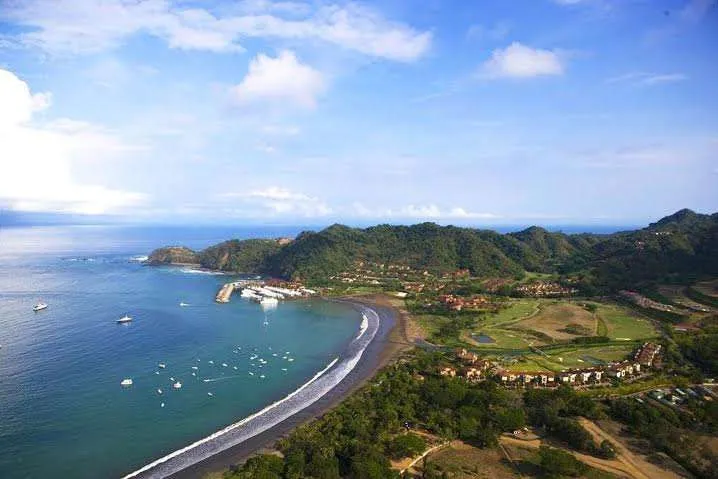
Costa Rica has earned its reputation as one of the world’s premier destinations for Costa Rica fishing charters. From the vibrant waters off Los Sueños and Jaco to the southern Pacific around Golfito, anglers travel from all over the world for a chance to battle marlin, sailfish, tuna, and dorado. But what truly sets Costa Rica apart is its leadership in sustainable fishing. Through strict conservation laws and a nationwide commitment to catch-and-release, the country has become a global example of responsible sportfishing done right.
The Evolution of Catch-and-Release in Costa Rica
Decades ago, when recreational fishing began to rise in popularity across the Pacific, few anglers thought about the long-term impact of removing trophy fish from the ocean. Billfish were frequently kept as trophies, mounted on walls as proof of a successful trip. But as the sportfishing industry grew and scientific research revealed the importance of these apex predators to marine ecosystems, Costa Rica shifted its philosophy from consumption to conservation.
By the early 1990s, the Costa Rican government, together with private marinas and local captains, began advocating for catch-and-release practices. Soon after, regulations were established requiring that all billfish, sailfish, blue marlin, black marlin, and striped marlin be released alive. This marked a turning point not only for Costa Rica but for the global sportfishing community. Today, the country’s marinas, especially those around Los Sueños and Quepos, are at the forefront of conservation-based sportfishing operations.
Why Catch-and-Release Matters
At its core, catch-and-release is about protecting the future of the fishery. Every fish that is released alive represents a new opportunity for future anglers, ensuring that Costa Rica’s waters remain healthy and productive for generations to come.
Preserving Breeding Populations
Large billfish like marlin and sailfish are the breeding stock of the ocean. A single female can produce millions of eggs each season. When those mature breeders are caught and released instead of harvested, it helps sustain population levels and keeps the ecosystem balanced. In Costa Rica, captains understand that a fish released today could become a record catch for another angler tomorrow, a philosophy that defines modern offshore fishing in Costa Rica.
Protecting the Economy and the Environment
Sportfishing is one of Costa Rica’s most valuable tourism sectors. The industry supports thousands of jobs, boat crews, tackle suppliers, marina staff, hospitality workers, and transport services. Releasing fish alive helps ensure this economic engine keeps running. A single marlin or sailfish released multiple times over its life can contribute far more to the economy through charter bookings than it ever could if removed from the sea.
Education and Awareness
Catch-and-release in Costa Rica is more than just a policy; it’s a culture. Captains, mates, and anglers work together to promote proper release techniques, including using circle hooks, minimizing fight time, and keeping fish in the water for photos whenever possible. Many charter operators include short educational briefings before each trip, explaining the importance of handling fish carefully to ensure their survival. This approach has turned every charter into a teaching opportunity for sustainable fishing.
Regulations That Protect the Fishery
The Costa Rican government has developed some of the strongest sportfishing regulations in the world. These rules not only promote sustainability but also position the country as a model for marine management across Latin America.
- Mandatory Release for Billfish: All species of marlin and sailfish must be released alive. It is illegal to bring billfish back to the dock for photos or weigh-ins.
- Circle Hooks Required: Circle hooks are mandatory for all bait fishing targeting billfish. These hooks reduce deep hooking and increase survival rates during release.
- No Commercial Billfish Harvest: Commercial fishing for marlin and sailfish has been banned for decades, allowing these species to thrive offshore.
- Catch Monitoring and Tagging Programs: Scientific tagging programs help track migration patterns and population health, giving researchers vital data on species movement across the Eastern Pacific.
Such strong oversight has made Costa Rica’s waters some of the healthiest and most consistent fishing grounds in the world. For anyone planning to fish from Jaco, Herradura, or Quepos, this framework ensures not only great action but a clear conscience. Responsible fishing equals sustainable fishing.
The Role of Captains and Local Communities
Conservation in Costa Rica is successful because captains and local communities have embraced it wholeheartedly. Many of the country’s most respected captains, especially those working out of Jaco fishing charters, have been practicing catch-and-release for decades, long before it became law. They understand that protecting the resource guarantees a future for their families, crews, and the next generation of anglers.
For example, on an average day offshore from Jaco or Los Sueños, it’s not uncommon to raise 10 to 20 sailfish. Nearly all of these fish are released alive after an exciting fight. Some charters even participate in tagging programs, allowing guests to record data for scientific research. This integration of sport, science, and sustainability has made Costa Rica the standard that other countries now strive to follow.
Billfish Conservation: The Crown Jewel of Costa Rican Sportfishing
Marlin and sailfish are the ultimate prize for offshore anglers. These powerful, acrobatic fish are what make Costa Rica’s reputation as a world-class destination. The country’s strict protection measures ensure that they remain abundant year after year. Every season, especially from December through May, hundreds of anglers flock to Los Sueños and Herradura for the chance to catch and release multiple sailfish in a single day, or perhaps a grand slam of blue, black, and striped marlin.
In tournaments held at the Los Sueños Marina, strict catch-and-release formats are enforced. Points are awarded based on successful releases, with video evidence required for validation. This approach eliminates the old weigh-in culture while maintaining the thrill of competition. It’s a shining example of how sportfishing can remain exciting, ethical, and profitable without harming the resource.
The Science Behind Successful Releases
Releasing a fish alive is only part of the equation; ensuring it survives is the true goal. In Costa Rica, professional crews follow precise methods to maximize post-release survival.
- Using heavy tackle to shorten fight time and reduce fatigue.
- Keeping the fish in the water as much as possible during photos.
- Using dehookers and pliers to quickly remove hooks without causing additional injury.
- Reviving exhausted fish by holding them upright in the water and allowing the current to flow through their gills before release.
Many captains have also adopted in-water photography techniques, where anglers pose alongside fish at the transom instead of hoisting them aboard. This not only looks better in photos but also dramatically improves the fish’s chance of survival. These practices are now a defining feature of responsible offshore fishing in Costa Rica.
How Catch-and-Release Supports Other Fishing Methods
While the focus is often on billfish, the catch-and-release philosophy benefits all aspects of the industry. Inshore guides targeting roosterfish, cubera snapper, and jacks have also embraced it. Although many anglers keep smaller table species like dorado or tuna for dinner, releasing the larger specimens ensures continued abundance near coastal reefs and islands.
In recent years, the popularity of FAD fishing in Costa Rica has further demonstrated the value of conservation. These floating aggregation devices attract large numbers of marlin offshore, allowing anglers to experience days of nonstop action. Yet even in these remote offshore areas, the release-first mindset prevails. Crews fishing multi-day overnight fishing in Costa Rica expeditions follow strict release protocols to ensure that every marlin swims away strong.
Economic Benefits of Sustainable Sportfishing
Costa Rica’s commitment to conservation is not just an environmental decision; it’s an economic strategy. According to local tourism data, sportfishing generates hundreds of millions of dollars annually, much of it concentrated in the Pacific coast towns of Los Sueños, Jaco, Quepos, and Flamingo. Anglers who travel to these areas typically stay in hotels, dine in local restaurants, hire private transfers, and participate in multiple tours during their stay. In short, every released fish contributes to an entire network of economic activity that benefits the whole community.
Moreover, the nation’s reputation for ethical fishing draws eco-conscious travelers who want to experience Costa Rica’s natural beauty without harming it. By choosing charters that practice catch-and-release, visitors become part of the country’s broader conservation story, one that ties together sustainability, community, and adventure.
Challenges and the Path Forward
Despite Costa Rica’s success, maintaining world-class fisheries requires ongoing effort. Enforcement of existing laws, continued education for new anglers, and protection against illegal commercial fishing are all necessary to preserve what has been achieved. Climate change and fluctuating ocean currents also pose challenges, affecting migration patterns and spawning behavior. Nevertheless, Costa Rica’s proactive management and strong conservation culture provide the foundation to adapt and thrive.
Organizations, charter captains, and international conservation groups continue to collaborate on research and awareness programs. The goal is simple: keep Costa Rica’s oceans teeming with life while offering anglers unforgettable experiences year after year.
Planning Your Own Catch-and-Release Adventure
If you’re ready to experience this world-class fishery firsthand, the best place to start is with trusted experts who live and breathe the Costa Rican fishing lifestyle. Our team can arrange everything from half-day inshore trips to multi-day overnight fishing adventures. Whether you’re based in Jaco, Los Sueños, or Quepos, you’ll have access to professional crews who respect the ocean and follow every conservation standard to ensure an ethical and rewarding experience.
For those who dream of battling massive marlin offshore, consider booking a FAD fishing expedition. These trips are designed for anglers who want maximum action with minimal impact, tagging, releasing, and preserving Costa Rica’s legendary big-game fishery for the future.
Conclusion
Catch-and-release is more than a fishing technique in Costa Rica; it’s a national philosophy that balances excitement with responsibility. Thanks to visionary leadership, dedicated captains, and passionate anglers, the country has proven that world-class sportfishing and marine conservation can go hand in hand. Each released sailfish, marlin, or roosterfish represents a victory not just for the angler, but for the ocean itself.
When you book your next trip through Costa Rica Fishing Charters or plan an offshore adventure from Los Sueños or Jaco, you’re joining a proud tradition of sustainable fishing. The fish you release today will ensure that the incredible Costa Rican waters continue to deliver unforgettable moments for generations to come.
Start planning your next fishing adventure with the pros at Fish Costa Rica, where conservation meets world-class action on the open sea.