Sportfishing in Costa Rica is a thrilling adventure where anglers from around the world come to experience world-class offshore and inshore action. But beyond the excitement of fighting a Pacific sailfish or a blue marlin lies a deep respect for the ocean and its inhabitants. The cornerstone of that respect is catch and release, a conservation practice that helps ensure Costa Rica’s waters remain teeming with life for generations to come.
Why Catch and Release Matters
Costa Rica’s Central Pacific region, including Los Sueños, Jaco, and Quepos, is one of the most productive sportfishing zones on the planet. Offshore, anglers regularly encounter marlin, sailfish, yellowfin tuna, and mahi-mahi. Inshore, the reefs and rocky headlands hold roosterfish, snapper, and grouper. This abundance exists largely because Costa Rica’s sportfishing industry has embraced sustainable practices that put the health of the fishery first.
Catch and release allows anglers to experience the thrill of the fight while minimizing impact on fish populations. By returning large, breeding-age fish to the sea, we help maintain the genetic diversity and balance of these species, especially those like billfish, which are slow to reproduce. It’s an approach that benefits everyone: anglers, captains, coastal communities, and the marine ecosystem itself.
Legal Framework and Conservation Efforts
The Costa Rican Fisheries and Aquaculture Law (Law No. 8436) regulates all sportfishing activities in the country. Under this law, anyone fishing aboard a boat must carry a valid INCOPESCA fishing license, which supports fisheries management and research programs. INCOPESCA, along with organizations like FECOP (Federación Costarricense de Pesca) and MarViva Foundation, has worked tirelessly to establish guidelines that protect billfish and promote ethical fishing.
Today, Costa Rica is recognized globally as a leader in marine conservation. In 2008, the government made it illegal to kill or commercialize billfish such as marlin and sailfish, effectively designating them as catch-and-release-only species. This decision was a landmark moment for sustainable sportfishing, protecting one of the country’s most valuable natural resources and ensuring that thousands of anglers each year can continue to experience the magic of a live release.
In addition, Costa Rica’s tuna reform in 2022 further protected local waters from overfishing by industrial purse-seine fleets, allowing more baitfish and pelagic species to thrive closer to shore, another win for both conservation and tourism.
Best Practices for Catch and Release
Every responsible captain and crew in Costa Rica follows a set of best practices designed to give released fish the best chance of survival. Here’s how professional crews do it right:
1. Use Circle Hooks
Circle hooks are mandatory for all billfish fishing using natural bait. Unlike J-hooks, circle hooks are designed to catch in the corner of the mouth, reducing internal injury and improving survival rates. This simple switch has dramatically increased post-release survival for sailfish and marlin in Costa Rican waters.
2. Minimize Handling and Air Exposure
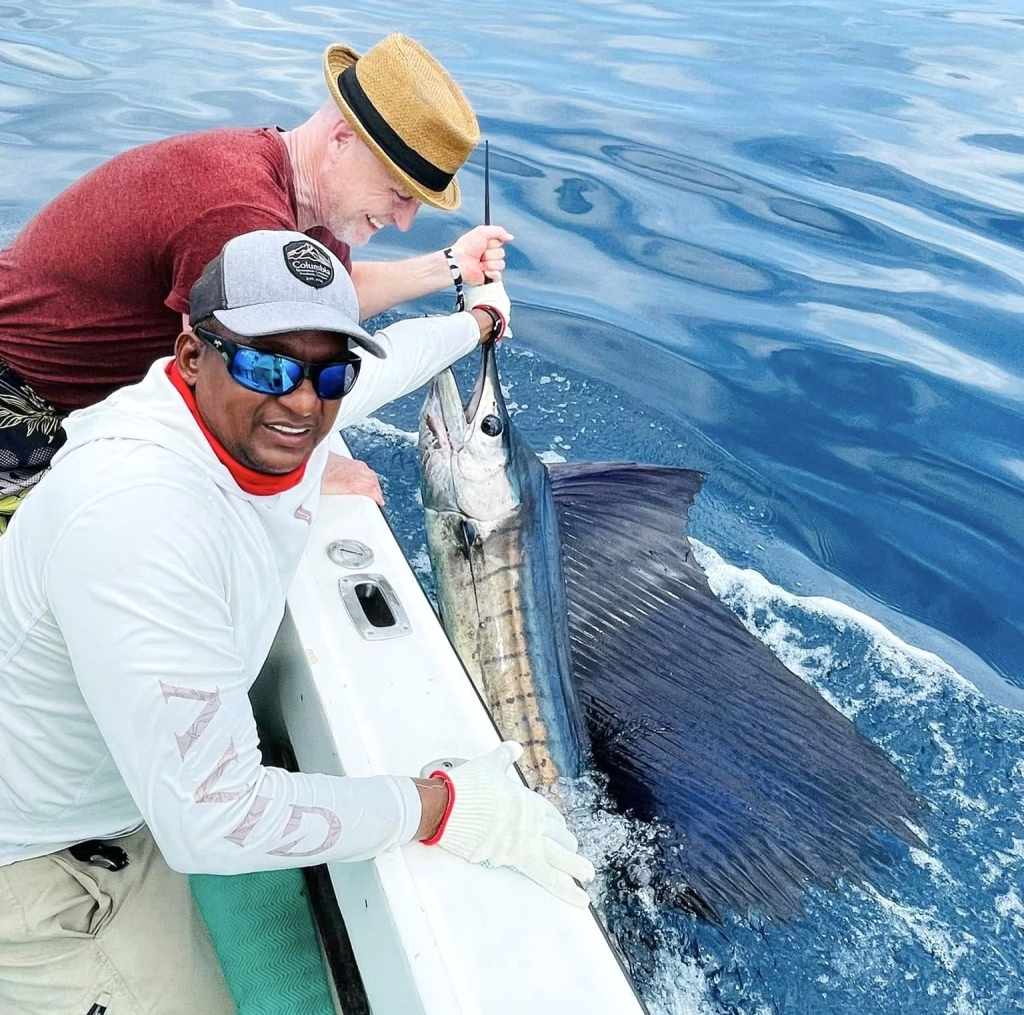
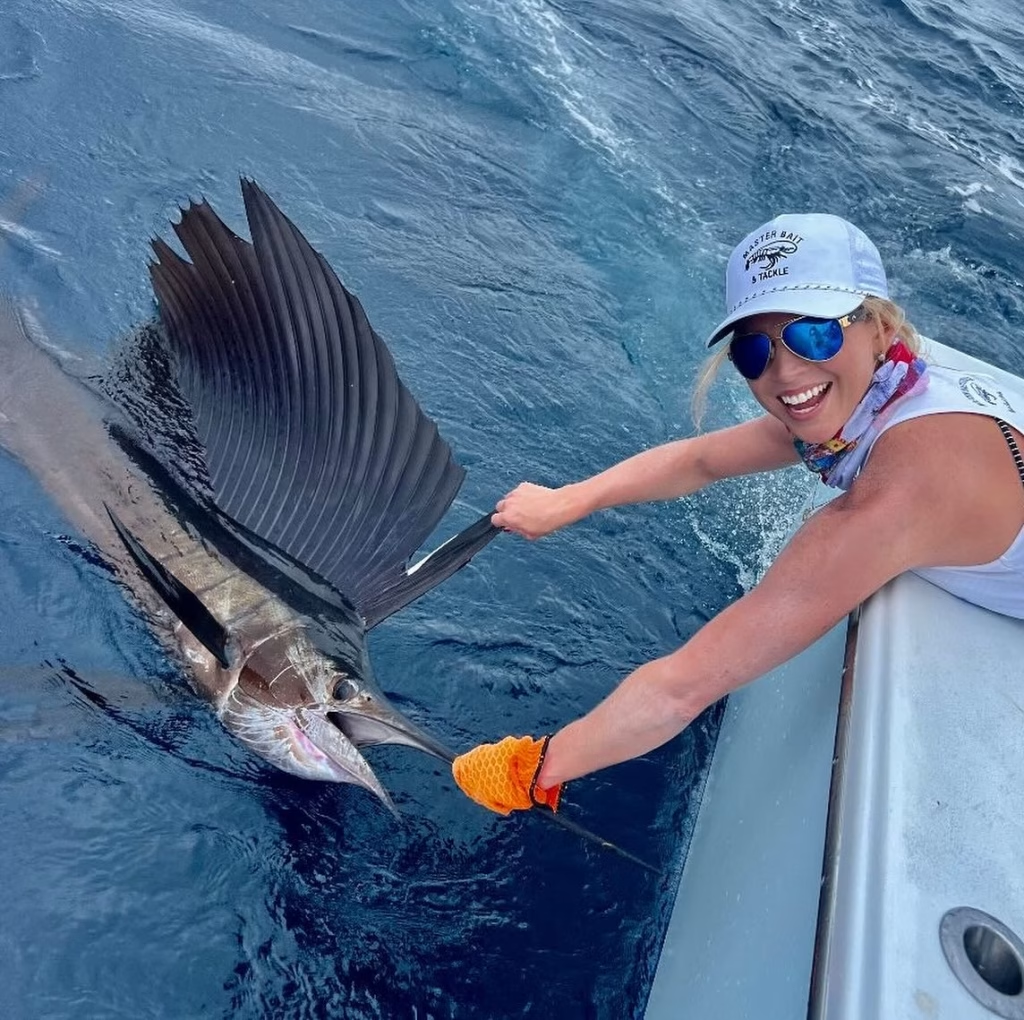
Billfish should never be removed from the water. Pulling a marlin or sailfish onto the deck for a photo can cause severe damage to its organs and skin. Instead, professional crews bring the fish alongside the boat, keeping it in the water while anglers take quick photos and videos. Many charters have long-handled dehookers and release tools to safely unhook fish without lifting them aboard.
3. Use Proper Tackle
Using appropriately sized tackle shortens the fight time, reducing stress and lactic acid buildup in the fish. In Costa Rica, most offshore charters use 30- to 50-pound gear for sailfish and heavier tackle for blue and black marlin. For inshore fishing, medium rods and smooth drags ensure roosterfish and snapper can be brought to the boat quickly and released strong.
4. Revive the Fish Before Release
After a long fight, many fish need time to recover. Crews hold the fish upright in the water, gently moving it forward to pass water over the gills. Once it regains strength, it kicks free on its own. This moment, watching a powerful billfish swim away, is often just as rewarding as the catch itself.
5. Cut the Line When Necessary
If a fish is deeply hooked or the hook cannot be easily removed, it’s best to cut the leader as close to the hook as possible. Modern circle hooks and monofilament break down over time, minimizing long-term harm.
6. Educate Anglers
Before every trip, responsible captains brief guests on handling protocols, emphasizing that the goal is to release the fish healthy. Anglers are encouraged to stay calm during the release and avoid pulling on the line or holding fish by the bill.
Catch and Release for Different Species
Billfish (Marlin and Sailfish)
These species are 100% catch-and-release in Costa Rica. Anglers can expect multiple sailfish bites offshore from Los Sueños and Quepos during peak season. Captains use circle hooks exclusively and prioritize clean, in-water releases. The economic value of each live billfish to the tourism industry is estimated to exceed $3,000, far more than its value as a harvested fish.
Roosterfish
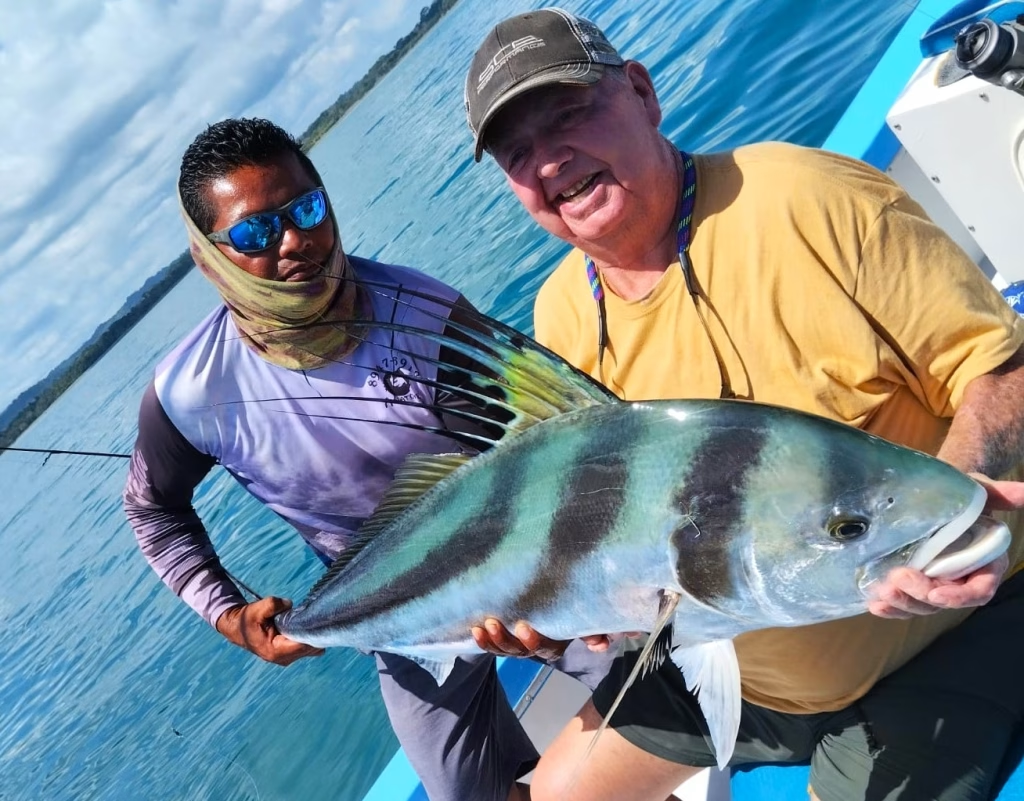
Inshore anglers along the Central Pacific coast often target roosterfish, a prized gamefish known for its comb-like dorsal fins and fighting spirit. While not legally required, most captains encourage releasing roosterfish to preserve local stocks. These inshore predators grow slowly and are vital for coastal ecosystem balance.
Snapper, Grouper, and Amberjack
These species are more commonly kept for consumption, but selective harvesting is key. Responsible anglers take only what they plan to eat and release large breeders to sustain the population. Many charters promote “one for the table, the rest for the sea.”

Tarpon and Snook
On the Caribbean side of Costa Rica, catch and release is equally essential. The tarpon fishery around Tortuguero and Barra del Colorado depends on anglers practicing proper release techniques. Large snook are also released to maintain spawning stocks along river mouths and estuaries.
The Role of Captains and Crews
Costa Rican captains are among the most skilled in the world when it comes to handling and releasing fish safely. Many have trained under programs sponsored by FECOP and the IGFA (International Game Fish Association). Charter crews in Jaco, Los Sueños, and Quepos understand that their livelihoods depend on maintaining healthy fisheries, and that every safe release contributes to that goal.
Captains also play an educational role. Many visitors are first-time offshore anglers who may not know the importance of proper handling. By demonstrating careful release procedures, crews help spread awareness far beyond Costa Rica’s borders. When those anglers return home, they carry a message of responsible sportfishing with them.
Economic and Environmental Impact
Catch and release doesn’t just protect fish; it supports an entire economic system. According to studies by FECOP, Costa Rica’s recreational fishing industry generates over $500 million annually and supports tens of thousands of jobs in tourism, hospitality, and local services. Every marlin or sailfish released alive contributes to this sustainable cycle, attracting anglers, sustaining charter operations, and preserving marine biodiversity.
Environmentally, this practice aligns with Costa Rica’s global reputation as a green and eco-conscious destination. It complements the country’s broader conservation initiatives, from banning trawling to expanding marine protected areas. Together, these efforts ensure that Costa Rica remains a model for sustainable sportfishing worldwide.
Our Commitment to Sustainable Fishing
At Fish Costa Rica, we proudly promote responsible fishing practices. All our partner charters and captains in Los Sueños, Jaco, and Quepos adhere to the highest conservation standards. We believe that ethical angling and incredible fishing experiences go hand in hand.
Whether you’re targeting your first Pacific sailfish or chasing a trophy roosterfish inshore, you’ll know that every release contributes to the future of Costa Rican sportfishing. The photo of a marlin leaping beside the boat, alive and free, says more than any mounted trophy ever could.
How Anglers Can Help
- Purchase your INCOPESCA license before heading out; it supports research and enforcement.
- Choose charters that follow catch-and-release ethics and use circle hooks.
- Educate fellow anglers and share your experiences to encourage responsible fishing worldwide.
- Respect local regulations and avoid removing billfish from the water.
- Support organizations like FECOP and MarViva that protect marine habitats and species.
Final Thoughts
Catch and release isn’t just a fishing technique, it’s a promise to the ocean. It reflects the values that make Costa Rica one of the world’s top destinations for sustainable angling: respect, responsibility, and reverence for nature. Each fish released swims off to fight another day, spawn new generations, and keep the heartbeat of the Pacific alive.
As every seasoned captain will tell you, “You don’t need to kill a fish to have a trophy.” In Costa Rica, the true prize is the moment the line goes tight, the reel screams, and you watch your catch swim free under the tropical sun, proof that ethical sportfishing is both possible and powerful.
Ready to fish responsibly in Costa Rica? Let’s plan your next adventure with the best captains who share your passion for conservation and world-class sportfishing.