Jigging
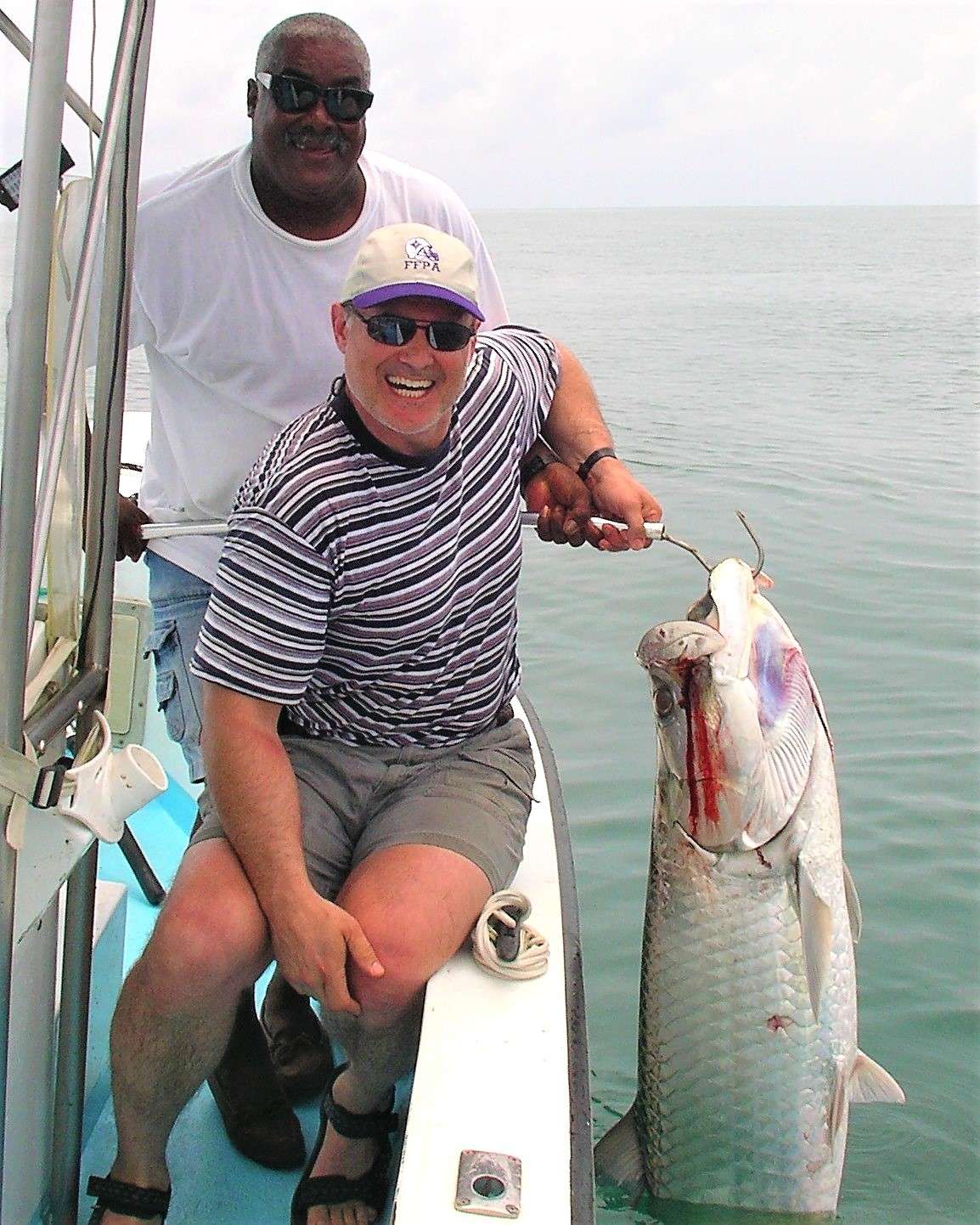
The classic Caribbean tarpon method: drop a heavy jig near rolling fish and work it up through the water. Strikes are often felt as a heavy thump.
Fish Costa Rica · Caribbean how-to guide
Tackle, lures, fighting and releasing fish, and what to pack for a Caribbean tarpon and snook trip, with tips from the guides who fish it every day.
Before you start
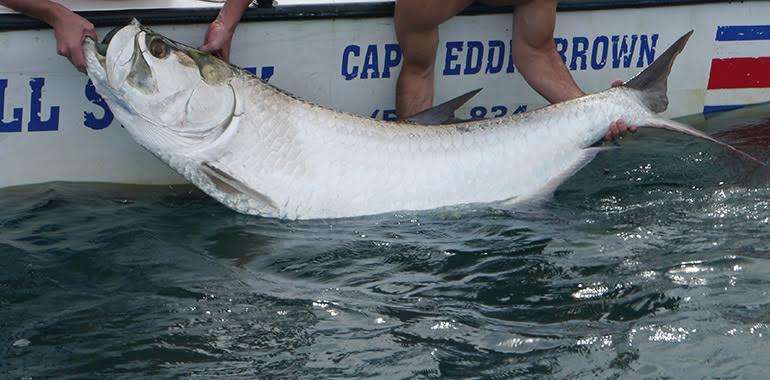
Tarpon are big, powerful and acrobatic, with hard, bony mouths that make hooks hard to set. Most hooked tarpon are lost on the first jumps, which is part of the fun.
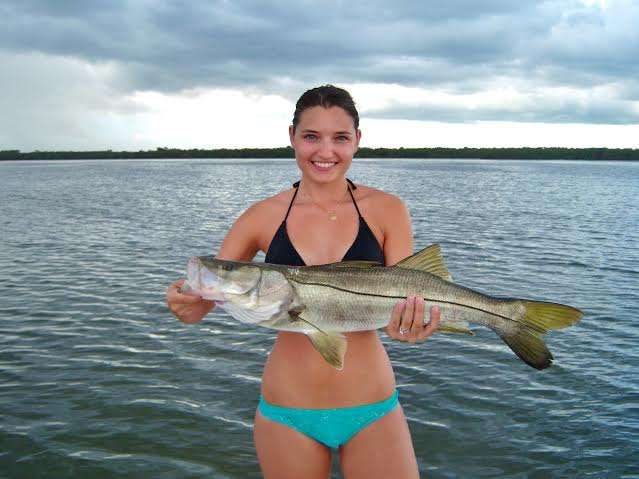
Snook are smaller but strong and sneaky. They hit hard around structure and run for cover, so they test your drag and your reflexes.
This guide is about how to fish for them. For where and when, see our tarpon fishing guide, snook fishing guide and the fishing calendar.
The gear
Your guides provide quality tackle. If you bring your own, here’s what typically works, and check the domestic flight luggage limits first.
| Tarpon | Snook | |
|---|---|---|
| Rod & reel | Heavy spinning or conventional with a strong, smooth drag | Medium spinning or baitcasting |
| Line | Heavy braid | Medium braid |
| Leader | Heavy mono or fluorocarbon to resist their rough mouths | Fluorocarbon, heavy enough for sharp gill plates |
| Lures | Heavy jigs, large plugs and swimbaits | Bucktail and soft-plastic jigs, plugs, surface lures |
| Bait | Live or dead bait on circle hooks | Live bait around river mouths |
| Fly fishing | 12-weight rod, sinking or intermediate line | 8–10-weight rod |
Keep every hook needle-sharp. A tarpon’s mouth is like bone, and a dull hook is the most common reason fish come off.
How the guides fish
The classic Caribbean tarpon method: drop a heavy jig near rolling fish and work it up through the water. Strikes are often felt as a heavy thump.
Pulling plugs or baits slowly along river mouths and channels covers water when the fish are spread out.
Casting plugs and jigs to rolling tarpon, or along banks and structure for snook. The most exciting way to get a strike.
Hard, but very rewarding. Best when fish are visible and the water is clear enough. Ask for a guide experienced with fly anglers.
Reading the conditions
Boats run out to fish just off the beach, where tarpon gather and roll. This is where the biggest fish are often found.
When waves close the river mouths, fishing moves inside, where tarpon and snook hold in the deeper bends and lagoons.
Muddy runoff pushes fish around. Guides look for the edges where clean and dirty water meet.
Tarpon are in the rivers all year. The peak season is September to January, with a second good run in April and May. More on the season in our tarpon fishing guide and the fishing calendar.
Hooking, fighting, releasing
What to bring
Keep planning
Tarpon & snook questions
Have a tackle question? Ask us before your trip.
Heavy spinning or conventional gear with a strong drag, heavy braid and a heavy leader. Your guides provide tackle, so you don’t need to bring your own.
Heavy jigs are the classic Caribbean method, along with large plugs and swimbaits. Live or dead bait on circle hooks also works.
Yes. Use about a 12-weight for tarpon and 8–10-weight for snook. It’s challenging, so let us know in advance and we’ll arrange a guide who works with fly anglers.
Their mouths are hard and bony, and they jump hard. Sharp hooks, strong hook sets and bowing to the fish when it jumps keep more of them on.
Peak tarpon season is September to January, with a second run in April and May. Tarpon and snook are in the rivers and lagoons all year, and calm seas let you fish outside the river mouths.
Yes, a Costa Rica fishing license is required, and we can help you get one before your trip.
Plan your trip
Tell us your experience, whether you’d like to fly fish, and your travel dates. We’ll match you with the right guide.