Marlin are the crown jewels of offshore fishing in Costa Rica. On any given day from Los Sueños and Quepos to Flamingo and Papagayo, you might raise a blue or a black marlin. Telling them apart helps with accurate trip reports, photos, and conservation records. This field guide shows the visual cues, behavior, and habitat patterns that make identification fast and reliable, and points you to the best places to plan a marlin charter in Costa Rica.
For a species overview and historical context, see Meet Costa Rica’s Billfish: Blue, Black, and Striped Marlin Explained, and for trip planning, start with our Costa Rica Fishing Charters and Fishing Packages.
The Fastest Way to Tell Blue vs Black Marlin
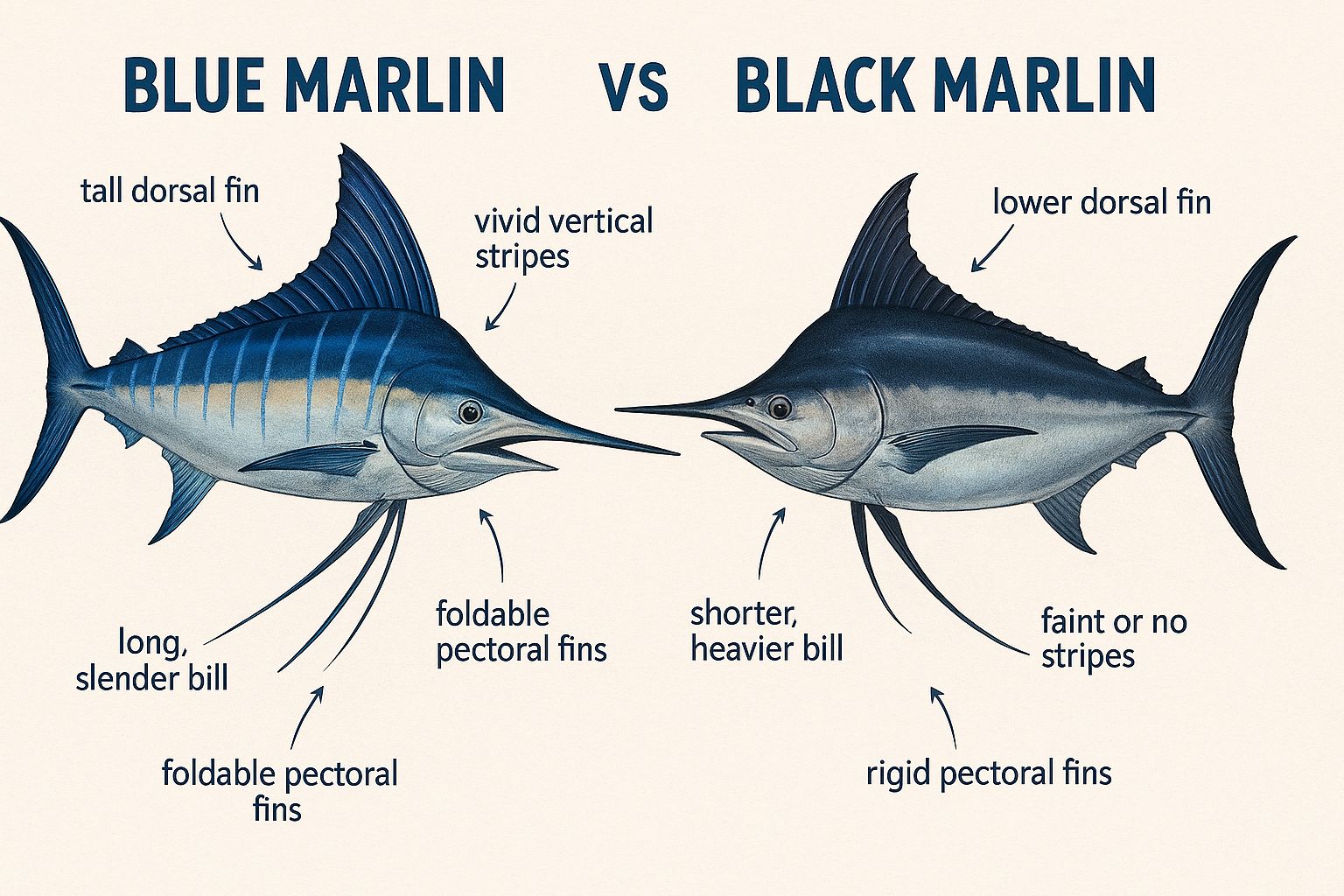
- Pectoral fins: A blue marlin’s pectoral fins fold flat against the body. A black marlin’s pectoral fins are stiff and do not lie flat.
- Bill shape: Blue marlin have a longer, more slender bill. Black marlin have a shorter, thicker bill and a chunkier head profile.
- Dorsal fin: Blue marlin show a taller, more falcate first dorsal fin. Black marlin have a lower, broader dorsal fin.
- Body build: Blues are more streamlined. Blacks look deeper, heavier across the shoulders.
- Striping: Blues often display vivid vertical stripes, especially when lit up. Blacks are darker on top and usually show faint or minimal striping.
Body and Fin Details
Head and Bill
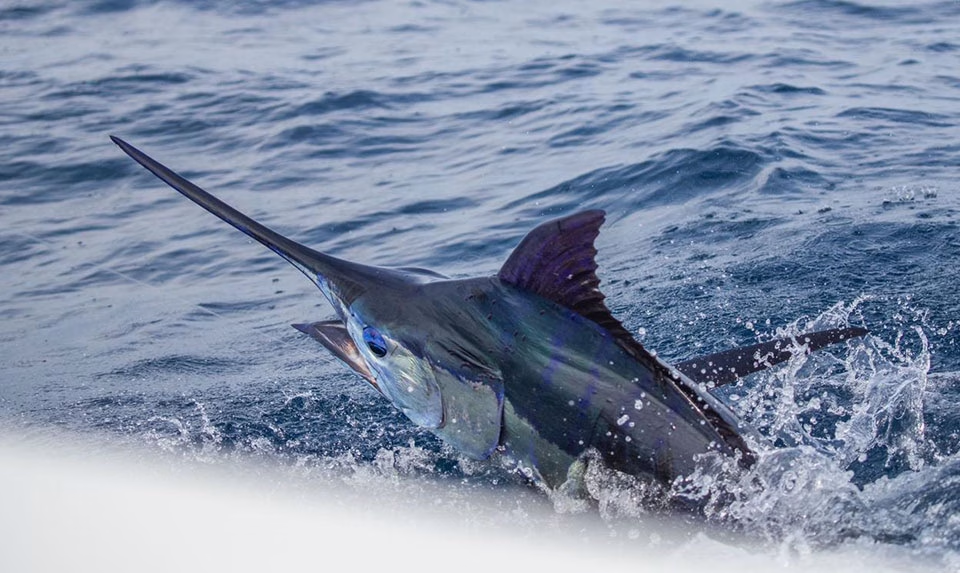
Blue marlin tend to show a sleeker head and a longer, needle-like bill. Black marlin carry a thicker skull and a more robust bill that looks blunt by comparison. In the photos, look at the forehead and the base of the bill. If it looks heavy and muscular, you’re likely looking at a black.
Pectoral Fins
This is the most reliable “on the water” check. If the pectorals press tight against the body when the fish is swimming or in the spread, it points to a blue marlin. If they remain angled out and rigid, it indicates a black marlin. Many mates call the ID on pectorals alone.
Dorsal and Overall Silhouette
Blue marlin often show a taller, more curved first dorsal and a narrower caudal peduncle that emphasizes speed. Black marlin have a lower dorsal fin, thicker shoulders, and a powerful, barrel-like shape, think raw torque.
Color and Striping
Both fish can “light up” with neon blues and purples around the head and flanks, especially during a hot bite. Blues more commonly show distinct vertical bars when excited. Blacks usually look darker across the back with subtler markings. Color alone can mislead in different light, so confirm with fin position and body build.
Behavior, Bites, and Fight Style
Every fish is an individual, but anglers often describe blue marlin as making long initial runs with deep soundings. Black marlin are known for immediate, explosive power close to the surface, often bulldogging with shorter, brutal bursts. Hook placement and sea state also influence the show, so use behavior as a supporting clue, not the only one.
Where You’ll Encounter Them in Costa Rica
Both species patrol current edges, reefs, bait concentrations, and seamount zones. That means a marlin day can happen out of any major Pacific marina with the right conditions.
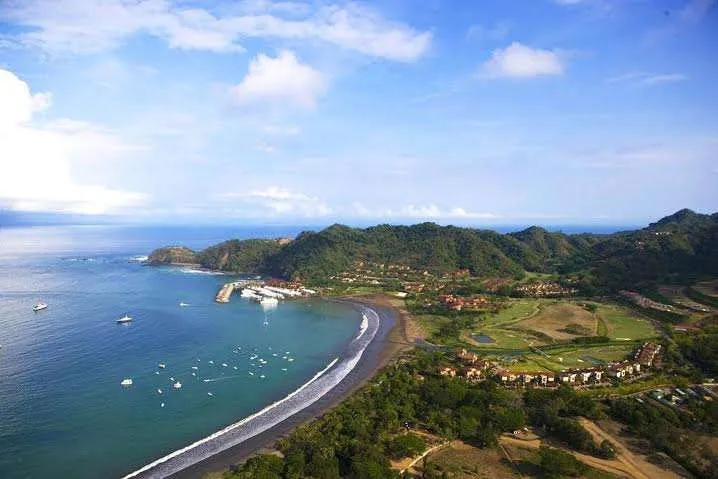
- Central Pacific: Los Sueños, Jacó, and Quepos are prime launching points for blue and black marlin, with classic current lines and bait-rich offshore structure. Many crews blend trolling with live-baiting when the life stacks up.
- North Pacific: Flamingo, Papagayo, and Playas del Coco offer quick runs to the outer shelf. This region is excellent for mixed days that can include marlin, yellowfin tuna, and mahi mahi.
- Southern Pacific: Golfito and Drake Bay provide access to deep water near the Osa Peninsula with fewer boats and plenty of bluewater.
When to Expect Encounters
Marlin can be caught year-round in Costa Rica, though patterns shift with currents and bait. The dry season often brings calm seas with consistent offshore traffic, while the green season offers powerful migrations and fewer crowds. If your goal is maximum bluewater time, consider overnight fishing or FAD fishing, which concentrate shots at marlin in remote zones.
Tactics That Help With a Clean ID
- Watch pectorals on the bite and during the fight. Folded flat suggests blue. Stiff and out suggests black.
- Note the head-and-shoulder mass. Thick head and heavy shoulders point to black.
- Look for dorsal shape and stripe clarity. A taller dorsal and vivid bars support blue.
- Get clear release photos. Side-on images help confirm ID later, especially for reports and conservation records.
Conservation and Best Practices
Costa Rica is a global leader in billfish conservation. Responsible operators emphasize circle hooks, quick dehooking, and in-water releases. For more on ethics and sustainability, see Billfish Conservation and Sustainable Fishing in Costa Rica. If you are booking a trip, our team will pair you with experienced crews aligned with best practices.
Planning Your Marlin Trip
Whether you are focused on blues, blacks, or both, timing and strategy matter. Review the Costa Rica Fishing Calendar for seasonal trends, compare regions on Costa Rica Fishing, and then choose a home base. You can organize a single-day run from a major marina or plan a multi-day program that mixes offshore trolling with inshore fishing for variety. For most shots, consider overnight charters and FAD expeditions.
Ready to plan with the pros? Start at Costa Rica Fishing Charters or send your dates and group details via Plan My Trip. We’ll match you with the right boat, tackle setup, and captain for the conditions.
Frequently Asked Questions
Which is bigger, the blue or the black marlin?
Both species can grow to massive sizes. In Costa Rica, anglers encounter powerful fish of either species throughout the year. Identification is based on fin structure and body build rather than size alone.
What is the single best trait to separate them quickly?
Pectoral fins. If the pectorals fold flat against the body, you are likely looking at a blue marlin. If they remain stiff and angled out, it points to a black marlin.
Do they fight differently?
As a general pattern, blues are known for long runs and deep soundings, while blacks showcase explosive surface power. Use fight style as a secondary clue along with body and fin traits.
Where in Costa Rica should I go for marlin?
Excellent options include Los Sueños, Quepos, Flamingo, and Papagayo. For maximum bluewater time, look at overnight and FAD trips.
How do I book a marlin charter?
Visit Costa Rica Fishing Charters or send your details on Plan My Trip. You can also call 1-800-986-6980 or message WhatsApp at +506 8888 4723 for date checks and boat options.