
Costa Rica is recognized around the world as one of the best billfish destinations on the planet. Anglers from every corner come here to chase Pacific sailfish, blue marlin, black marlin, and striped marlin in the country’s fertile Pacific waters.
But the real success story behind Costa Rica’s sportfishing industry isn’t only the number of fish caught, it’s how those fish are protected. Through decades of cooperation between the government, captains, scientists, and anglers, Costa Rica has become a leader in billfish conservation and sustainable fishing.
At fishcostarica.com/, we’ve worked closely with captains who were part of that transformation. This is the story of how conservation keeps our waters thriving, why it matters, and how you can take part when you fish in Costa Rica.
A World-Class Billfishery
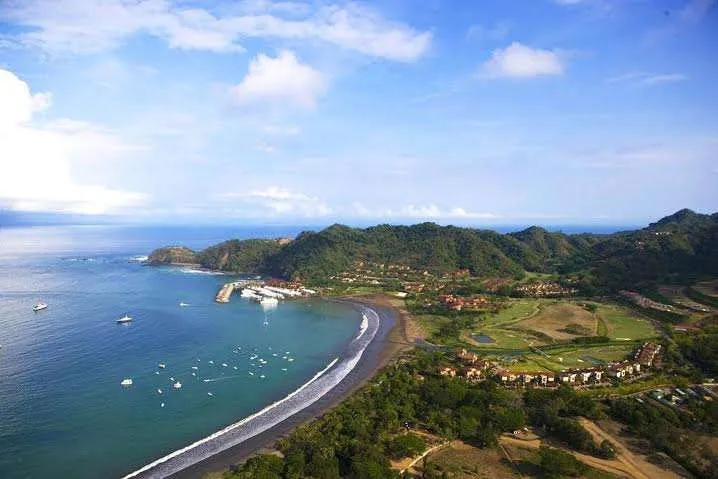
The Pacific coast of Costa Rica is blessed with warm tropical currents, deep offshore trenches, and nutrient-rich upwellings that attract pelagic species all year. From Los Sueños and Jaco in the Central Pacific to Quepos, Flamingo, and Golfito, these waters are alive with marlin and sailfish almost every month.
- Sailfish: Peak season runs from December through April, though they are caught year-round.
- Blue Marlin: Abundant from May through October.
- Black Marlin: Seen between May and September, especially in southern waters.
- Striped Marlin: More common during the dry season months.
The consistent bite has made Costa Rica famous among serious anglers, but it has also demanded responsibility. Keeping the fishery strong means ensuring these majestic species can reproduce, migrate, and return year after year.
From Harvest to Catch and Release
Not long ago, billfish were commercially harvested in Central America. Longline fleets targeted them for export, often selling the meat to international markets. As a result, populations dropped and recreational fishing suffered.
Everything began to change when Costa Rica’s sportfishing community, local tourism operators, and conservation groups pushed for protection. Their efforts led to one of the most important reforms in the region: making it illegal to harvest or export sailfish and promoting mandatory catch and release for billfish species.
Today, Costa Rica stands as a model for responsible management. Every reputable charter in the country practices catch and release for all billfish, and anglers take pride in preserving these powerful fish for future generations.
The Role of INCOPESCA and Key Legislation
Costa Rica’s fisheries authority, INCOPESCA (Instituto Costarricense de Pesca y Acuicultura), has played a vital role in enforcing sustainable fishing regulations. Working with scientists and conservation organizations, INCOPESCA has helped set standards that support both the economy and the environment.
Key measures include:
- A national ban on the sale and export of sailfish.
- Mandatory use of non-offset circle hooks on all sportfishing charters.
- Designated marine protected areas and no-trawl zones.
- Licensing programs to monitor recreational fishing activity.
- Promotion of best practices for catch and release and live bait handling.
These rules ensure that Costa Rica’s billfish population remains healthy and that the economic benefits of sportfishing continue to support local communities rather than deplete natural resources.
Why Billfish Conservation Matters
1. Economic Importance
Sportfishing is one of Costa Rica’s top tourism industries. Studies show it generates hundreds of millions of dollars in annual revenue and supports tens of thousands of jobs, from captains and mates to marina staff, tackle suppliers, and hospitality workers.
When a billfish swims away healthy after a successful release, it can be caught again, creating a cycle of sustainable economic value. A single live marlin or sailfish can contribute far more to Costa Rica’s economy over its lifetime than it ever could through a single sale as seafood.
2. Ecological Balance
Billfish are apex predators that help maintain balance in the marine ecosystem. They regulate populations of smaller fish, keeping coral reefs and offshore habitats in harmony. Overfishing these species can destabilize entire food chains.
3. Cultural Identity
Costa Ricans take pride in their reputation for conservation. “Pura Vida” isn’t just a saying; it’s a lifestyle that values nature and sustainability. Protecting marlin and sailfish is part of preserving that national identity and the country’s reputation as an eco-tourism leader.
Operation Sailfish and Global Recognition
In recent years, Costa Rica has gained international praise for its commitment to billfish conservation. One of the standout initiatives was Operation Sailfish, a coordinated effort between government agencies, private organizations, and international NGOs to improve enforcement, monitoring, and education across the Pacific coast.
The campaign focused on:
- Educating local fishermen on the benefits of catch and release.
- Training crews in safe release techniques to improve fish survival rates.
- Supporting data collection to understand migration patterns and population health.
- Encouraging collaboration between sportfishing and scientific communities.
The results were impressive. Sailfish numbers improved, and Costa Rica became a case study for successful sustainable management. The country’s participation in international programs with the Billfish Foundation and IGFA further cemented its reputation as a global leader in responsible fishing.
Responsible Fishing Practices Every Angler Should Follow
When you book a Costa Rica fishing charter, you automatically become part of this conservation effort. Here are key guidelines that every angler should respect on the water:
Use Circle Hooks
Circle hooks dramatically reduce injury and mortality rates. They catch fish in the corner of the mouth instead of the throat, making release quick and safe.
Minimize Fight Time
The faster the fish is brought to the boat, the greater its chance of survival. Captains use appropriate tackle and drag settings to land billfish efficiently without overexhausting them.
Keep the Fish in the Water
For sailfish and marlin, photos should be taken alongside the boat while keeping the fish in the water. Lifting large fish onto the deck can cause stress and internal injury.
Handle With Care
If contact is necessary, wet your hands first and avoid grabbing the gills or eyes. The goal is to minimize stress and maximize recovery.
Educate and Lead by Example
Experienced anglers and captains should help teach newcomers the value of conservation. Many of Costa Rica’s best crews proudly display IGFA or Billfish Foundation certificates for ethical fishing.
FAD Fishing and the Future of Marlin Conservation
One of Costa Rica’s most unique and exciting developments has been the rise of FAD (Fish Aggregating Device) fishing for marlin. These deep-sea structures attract baitfish and, in turn, big predators like blue marlin.
FAD trips often run multiple days offshore, targeting large numbers of marlin. Because these trips can result in dozens of hookups, responsible management is crucial.
Captains working these waters follow strict catch-and-release protocols:
- Using heavy gear to reduce fight time.
- Keeping the marlin in the water at all times.
- Tagging and recording each release for research purposes.
- Limiting daily fishing hours to ensure recovery periods.
FAD fishing has provided valuable data for scientists and created new sustainable tourism opportunities, proving that conservation and adventure can coexist when handled correctly.
Local Heroes of Conservation
Costa Rica’s success is due in large part to its captains and crews. Many of them were among the first to adopt ethical fishing practices long before they were the law. Their respect for the ocean runs deep, passed down through generations of fishermen who understand that sustainability is survival.
From legendary captains in Golfito like Bobby McGuinness to the skilled teams in Los Sueños and Quepos, these professionals lead by example. They’ve built careers not just on catching fish, but on protecting them.
When you book a trip through fishcostarica.com/, you’re supporting those captains, the men and women who’ve dedicated their lives to the sport and to the ocean that sustains it.
How You Can Support Sustainable Fishing
Even as a visitor, you play an important role in conservation. Here’s how you can contribute:
- Choose Licensed Charters: Always fish with registered boats that follow legal guidelines and use proper tackle.
- Respect Catch and Release: Never request to keep billfish.
- Support Conservation Programs: Many captains work with tagging or research groups. Ask how your trip can contribute.
- Reduce Waste: Avoid single-use plastics and dispose of trash responsibly.
- Share the Message: Post photos and stories that celebrate conservation, not just the catch.
Sustainability is a shared effort. Every responsible angler helps ensure Costa Rica’s fisheries remain vibrant for generations to come.
Challenges That Remain
While progress has been remarkable, challenges still exist. Illegal longlining, bycatch, and enforcement limitations continue to threaten billfish populations in parts of Central America. Costa Rica’s model works best when all neighboring nations adopt similar policies.
Local advocacy continues to push for:
- Stricter control of commercial bycatch.
- Expansion of protected marine zones.
- Increased funding for inspection and monitoring.
- Education for coastal communities on sustainable alternatives.
The good news is that awareness is growing, and Costa Rica remains at the forefront of regional leadership.
The Future of Billfish Conservation in Costa Rica
Costa Rica’s future as a world-class sportfishing destination depends on the continued health of its marine ecosystem. Ongoing research, sustainable tourism, and ethical fishing practices are key to keeping this balance strong.
Technological advances like satellite tagging, electronic monitoring, and real-time catch data are improving the understanding of migratory routes and population health. Captains and anglers are no longer just participants; they are partners in science.
By choosing to fish responsibly, you become part of this conservation story.
Final Thoughts
Costa Rica’s commitment to billfish conservation and sustainable fishing has set the global standard. From the Central Pacific to the Osa Peninsula, its captains and anglers have proven that responsible fishing and world-class results can go hand in hand.
When you release a sailfish or marlin here, you’re not only catching a dream, you’re helping protect it. Every successful release, every circle hook used, and every ethical charter booked ensures that future generations can experience the same thrill that has made Costa Rica a legend among anglers.
At fishcostarica.com/, we are proud to support and promote these practices. We work only with captains who share our respect for the sea and our belief that great fishing should always go hand in hand with great stewardship.
Tight lines, and thank you for helping keep Costa Rica’s waters alive.