Food from the deep
Cold, nutrient-rich water rises, setting off plankton blooms that feed sardines, mackerel and squid.
Fish Costa Rica · Offshore science
Hidden underwater mountains far off the Pacific coast are the engine behind Costa Rica’s marlin fishing. What seamounts are, why they hold so many fish, where the main ones are, and how captains fish them.
What is a seamount?
A seamount is an underwater mountain, usually an ancient volcano, that rises from the deep ocean floor but doesn’t reach the surface. Off Costa Rica, many rise from around 12,000 ft deep to within 800–1,000 ft of the surface.
When deep ocean currents hit a seamount, they’re forced upward, carrying cold, nutrient-rich water toward the light. That feeds plankton, which feeds bait, which brings in the big predators.
Why they hold fish
Cold, nutrient-rich water rises, setting off plankton blooms that feed sardines, mackerel and squid.
The mountain creates eddies and temperature breaks in open ocean that trap bait.
Steady Pacific currents and tides make the feeding zones fairly predictable.
Seamounts gathered fish long before man-made FADs were anchored nearby.
The food chain
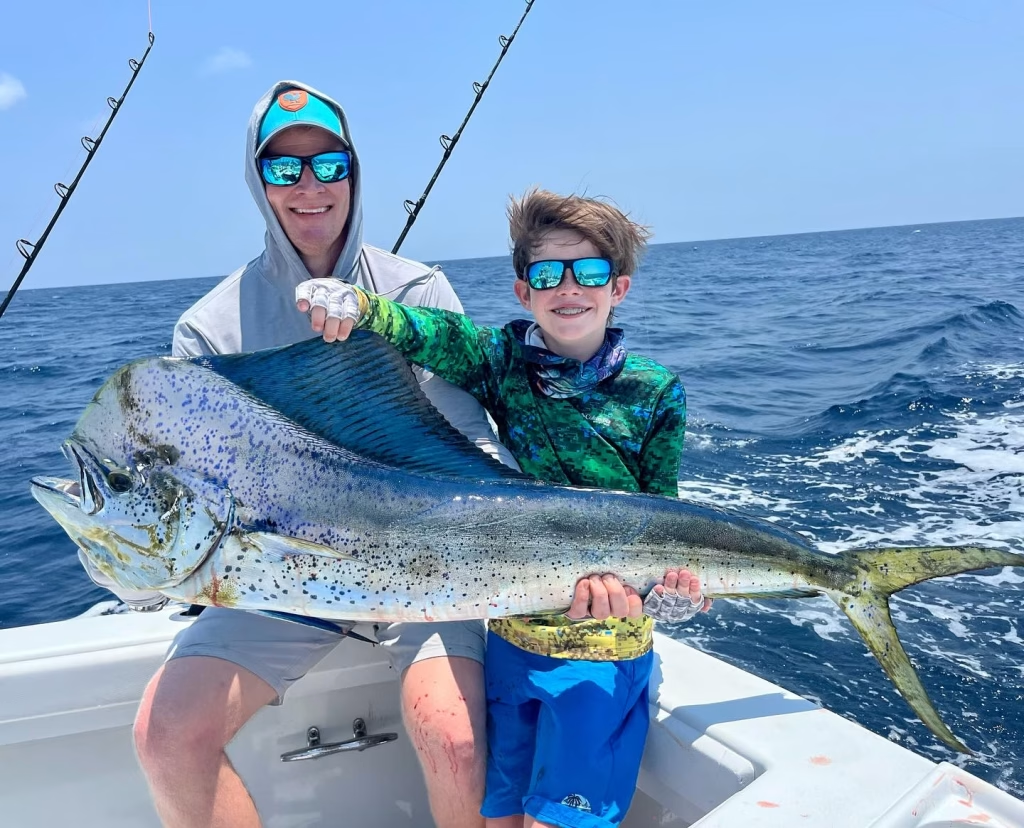
Also around the seamounts: amberjack, grouper, snapper and sharks, plus spinner dolphins and sea turtles. Species guides: blue marlin · black marlin · yellowfin tuna · dorado
Where they are
A corridor of seamounts runs offshore from Herradura Bay and Los Sueños, south past Quepos and the Osa Peninsula, toward Cocos Island.
A well-known bank offshore from Quepos. Mixed sailfish and blue marlin action, and a classic overnight target.
Overnight tripsNumbered FAD zones near the seamounts, far offshore, where crews run for blue marlin.
2–4 day FAD tripsA volcanic ridge running toward Cocos Island, with remote water full of pelagics.
Long-range, 3–5 daysA seasonal upwelling area far off the Gulf of Papagayo, rich in bait, tuna, dolphins and billfish.
Expedition range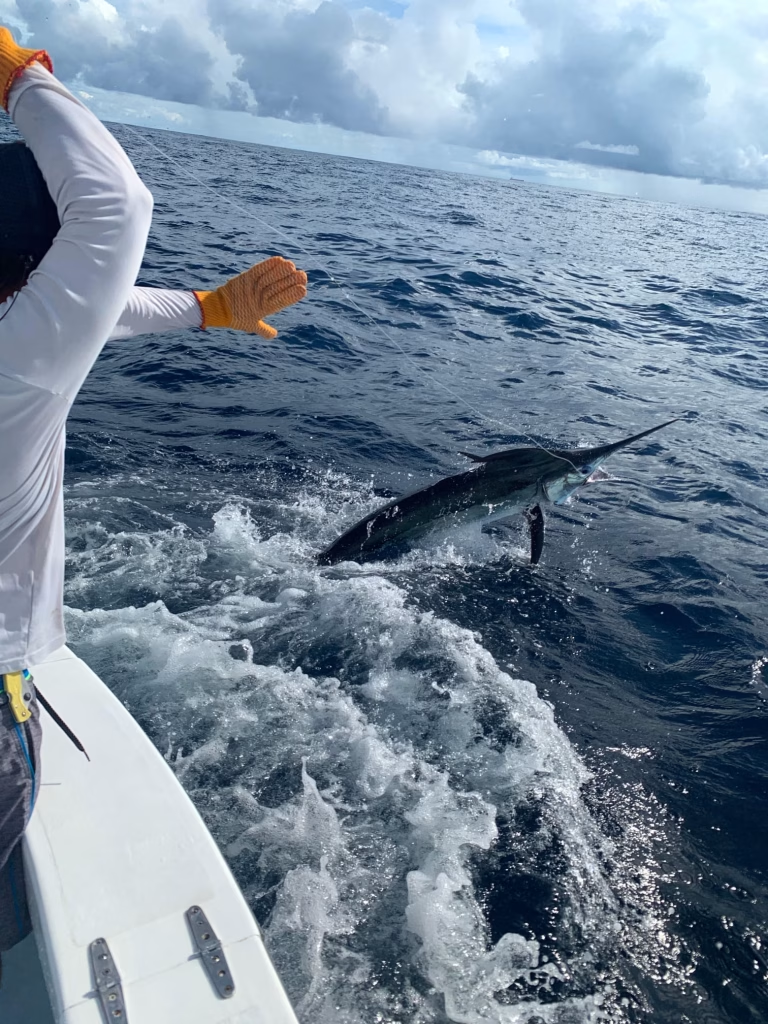
How captains find them
What it’s like
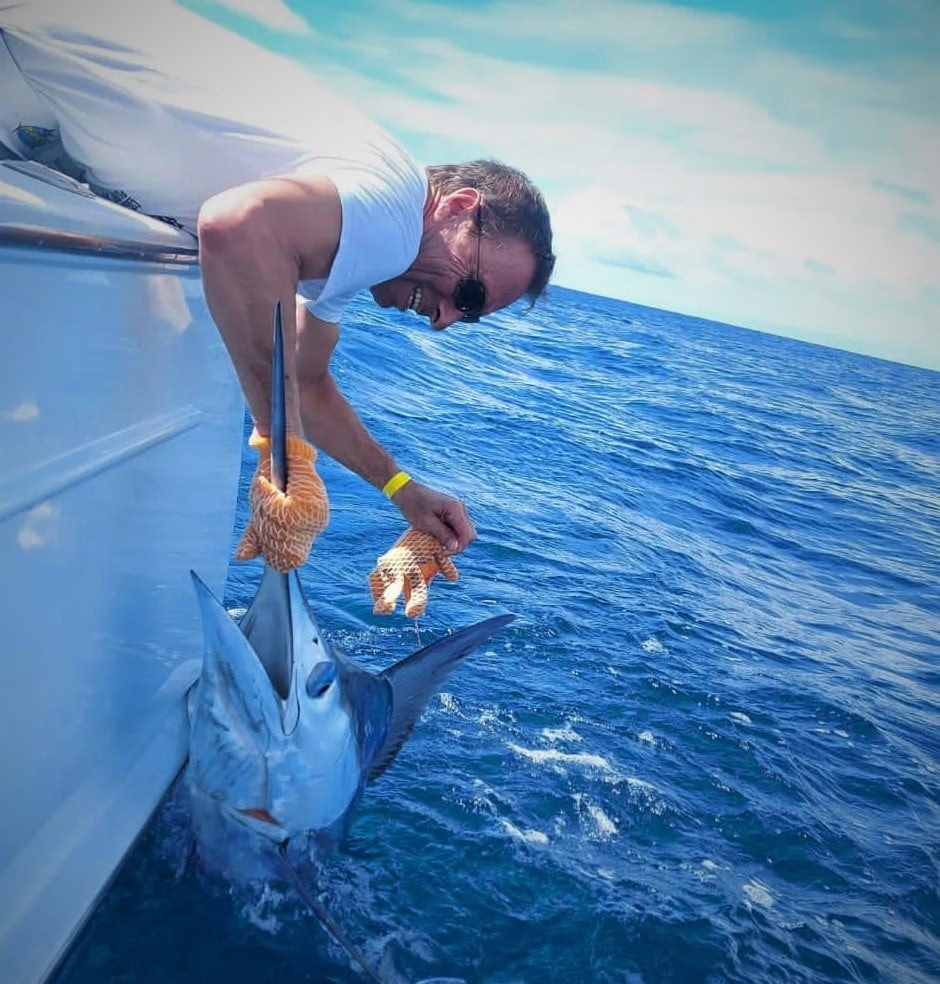
After a long run offshore, the water turns a deep electric blue and flying fish scatter ahead of the boat. Teasers and dredges go out, and the action can come fast: marlin up in the spread, tuna schools, and sailfish between bites.
On the best days crews can raise marlin after marlin. Some days are slower. That’s offshore fishing, and it’s why multi-day trips pay off.
When to go
Warm currents and abundant surface bait make this the best marlin season over the seamounts.
Calmer seas, with sailfish runs closer to shore. Most anglers fish day trips this time of year.
All billfish are catch-and-release by law in Costa Rica. Crews use circle hooks, keep fish in the water and record releases. Catch and release →
Fish the seamounts
Seamount questions
Curious about a seamount trip? Ask us.
An underwater mountain, usually an ancient volcano, that rises from the deep ocean floor without reaching the surface. Off Costa Rica, many rise from around 12,000 ft deep to within 800–1,000 ft of the surface.
Currents hitting the seamount push nutrient-rich water upward, which feeds plankton and bait. Eddies and temperature breaks around the mountain trap the bait, and predators like marlin, tuna and dorado follow.
In a corridor offshore from Los Sueños and Quepos south toward the Osa Peninsula and Cocos Island, including Furuno Bank and the Cocos Ridge. The Thermal Dome is a seasonal upwelling area far off the north-west coast.
Most seamount trips take 2–4 days, sleeping on the boat. Closer banks like Furuno are within reach on an overnight trip, and the Cocos Ridge needs 3–5 days.
May to October is the peak marlin season over the seamounts.
Plan your expedition
Tell us your dates, how many days you can spend offshore, and your group size. We’ll match you with the right boat and seamount.